
Did You Know the Ramayana Holds Hidden Secrets From the Vedas About Sita and Rama
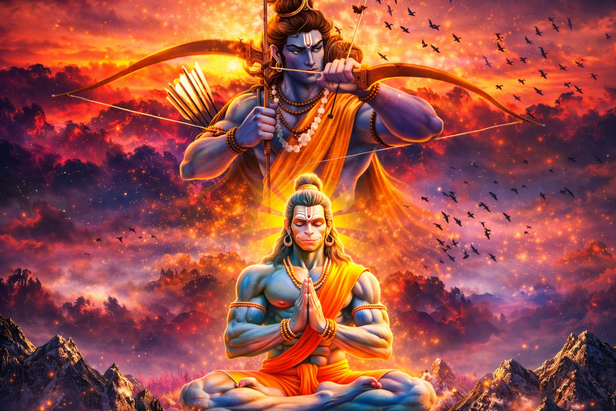
The Ramayana is not only an epic narrative but also a profound spiritual guide deeply rooted in Vedic wisdom. Renowned scholars such as Hermann Jacobi have highlighted striking connections between Valmiki’s Ramayana and the Rigveda. Sita’s emergence from the earth reflects her Vedic identity as an agricultural goddess, while Lord Rama’s heroic qualities mirror those of Indra, the Vedic protector. These symbolic links reveal how ancient Vedic philosophy shaped the Ramayana’s characters and events. By exploring these connections, readers gain deeper devotion, historical insight, and spiritual understanding. This article presents authentic research, timeless mythology, and trusted scholarship to uncover the hidden Vedic essence within one of Hinduism’s most revered epics.
Sita: The Earth Goddess in the Ramayana
Sita’s origin story holds deep spiritual and mythological meaning rooted in ancient Vedic tradition. In the Rigveda, Sita is revered as an agricultural goddess symbolizing fertility, abundance, and nourishment, closely connected with the rain god and the life giving power of the earth. This belief reflects clearly in the Ramayana, where Sita emerges from the soil as King Janaka ploughs the land, highlighting her divine yet earthly nature. Her final return to the earth completes a sacred life cycle, reinforcing themes of devotion, sacrifice, and cosmic balance. This connection enhances the understanding of Sita as both a compassionate human figure and a powerful divine force, strengthening faith and spiritual insight for devotees.
Rama as a Reflection of Indra
Rama’s character closely reflects Indra, the Vedic king of gods, revealing a deep spiritual layer of the Ramayana. In the Vedas, Indra defeats the demon Vritra to release the rivers and restore life to the world. Similarly, Lord Rama defeats Ravana to rescue Sita and reestablish dharma. This parallel symbolizes the eternal victory of good over evil and the return of balance in nature and society. Scholars and spiritual texts highlight this connection to show Rama’s divine authority, courage, and protective power. Understanding this link strengthens faith and helps devotees see the Ramayana as a continuation of ancient Vedic wisdom.
Ravana and Vritra: Symbolism of Obstacles
Ravana’s captivity of Sita reflects the Vedic story of Vritra blocking the rivers, symbolizing how darkness and disorder interrupt natural harmony. Just as Indra defeats Vritra to release life giving waters, Rama overcomes Ravana to restore dharma and balance. The name Indrajit, meaning one who conquered Indra, further strengthens this Vedic connection. These parallels highlight timeless lessons of courage, patience, and devotion during adversity. Rooted in ancient wisdom, the Ramayana teaches that every crisis has a divine purpose and every obstacle can be overcome with righteousness, discipline, and faith. This deep mythological symbolism continues to inspire spiritual strength and trust in divine support today.
Spiritual Lessons from Vedic Parallels
Exploring the Vedic roots of the Ramayana offers deep spiritual wisdom that continues to guide millions. Ancient texts and scholarly interpretations show Sita as a symbol of purity, abundance, and connection with the earth, while Rama represents dharma, protection, and moral strength. Ravana reflects inner struggles such as ego and desire that every human faces. By understanding these characters through a Vedic lens, devotees gain practical lessons in courage, patience, and faith. The Ramayana teaches that devotion and righteous action help overcome life’s trials. Applying these timeless teachings in daily life nurtures spiritual growth, inner balance, and a stronger connection with divine energy, making the epic eternally relevant today.
Why Understanding the Vedic Connections Matters
Recognizing the connection between the Rigveda and the Ramayana deepens both knowledge and devotion. Ancient scholars and spiritual traditions show that Vedic wisdom was preserved through powerful stories to guide humanity. These links highlight values like righteousness, resilience, and inner strength, which remain relevant today. Understanding how Rama and Sita reflect Vedic divinity strengthens faith, improves meditation and chanting practices, and builds trust in timeless spiritual principles. For devotees and learners, this insight enhances spiritual awakening and ethical living. Rooted in authentic scriptures and scholarly interpretation, these connections affirm the eternal presence of divine guidance in human life, making the Ramayana not just a story, but a living source of wisdom and inspiration.
Unlock insightful tips and inspiration on personal growth, productivity, and well-being. Stay motivated and updated with the latest at My Life XP.
Frequently Asked Questions (FAQs)
What is the connection between the Rigveda and the Ramayana?
Many scholars believe elements of the Ramayana reflect older Vedic ideas, showing how ancient wisdom evolved into epic storytelling.
Is Sita mentioned in the Vedas?
Yes, in the Rigveda, Sita appears as an agricultural goddess associated with fertility, earth, and prosperity.
How is Lord Rama linked to Vedic deities?
Rama’s battle with Ravana is often compared to Indra’s fight with the demon Vritra, symbolizing the victory of order over chaos.
Who proposed the Vedic roots of the Ramayana?
German Indologist Hermann Jacobi suggested in 1893 that parts of the Ramayana were influenced by Rigvedic myths.
Why are these connections spiritually important today?
They deepen faith, strengthen devotion, and reveal the timeless nature of Hindu spiritual wisdom.