
Do You Know the Secrets Behind These Famous Temple Prasads?
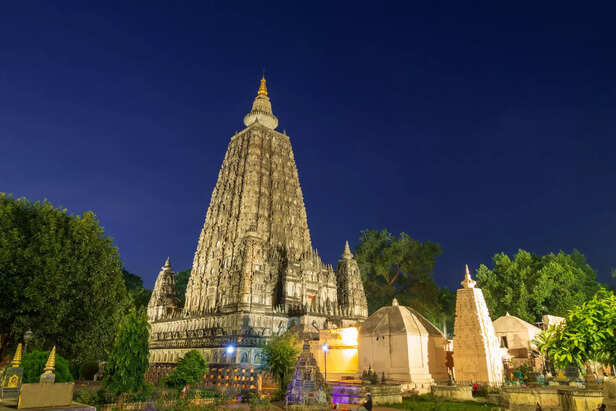
India is a land of devotion, where every temple tells a story. While the towering spires and intricate carvings capture the eye, it is the prasad the blessed food offered to the deity that captures the heart. These sacred offerings are more than food; they are symbols of love, faith, and miracles. Each prasad carries legends of gods, kings, and sages, connecting devotees to centuries of mythology and spirituality. Let’s explore five temples where the prasads are not just delicious they are magical, divine, and unforgettable.
Tirupati Balaji : The Legendary Laddu
The Tirumala Venkateswara Temple in Andhra Pradesh is home to the legendary laddu prasad. Its origins trace back to Sage Vyasatirtha, who dreamt of Lord Vishnu craving sweet balls made of ghee, gram flour, and sugar. Another legend says these laddus were a repayment to Kubera for Lord Vishnu’s earthly wedding. Today, every laddu is considered a blessing that can dissolve financial worries and bring divine grace. Pilgrims queue for hours to receive this golden treat, tasting not just sweetness, but centuries of devotion.
Sabarimala Ayyappa : The Energetic Appam
Kerala’s Sabarimala Temple serves appam, soft rice pancakes with coconut-jaggery filling, to Lord Ayyappa. Pilgrims observe a 41-day penance before receiving this prasadam. Legends say these appams are fueled with divine energy and sustain devotees on their long treks through dense forests. They are fried in ghee, echoing the deity’s warrior spirit, and miraculously never spoil, symbolizing divine protection and eternal strength. Eating an appam here is like tasting a piece of the forest and the lord’s blessings.
Ambalapuzha Krishna : Palpayasam Magic
In Kerala’s Ambalapuzha Sri Krishna Temple, devotees receive palpayasam, a sweet milky rice pudding. The story goes back to a 17th-century king who dreamt that Krishna, disguised as a poor Brahmin, demanded this dish during a famine. Today, the pot of palpayasam is said to boil endlessly, and unfinished bowls summon the Lord’s return. This divine dessert is more than food it is a reminder of Krishna’s compassion and the magic of faith that transcends time.
Madurai Meenakshi : Divine Pottukadalai Halwa
At Madurai’s Meenakshi Temple, devotees savor pottukadalai halwa, made from black gram. Legend says it was created to celebrate Goddess Meenakshi’s triumph over the demon fish army. During droughts, artisans claimed the goddess blessed their vats, creating halwa that melts in the mouth. Every bite symbolizes the divine nectar that dissolves ego and fills hearts with devotion. It is not just a dessert, but a story of courage, victory, and goddess-given bliss.
Vaitheeswaran Koil: Panchamirtham Healing
Near Chidambaram, Tamil Nadu, Vaitheeswaran Koil offers panchamirtham—a mix of banana, jaggery, ghee, honey, and cardamom. The legend says Sage Valmiki was cured of leprosy here, thanks to Shiva’s divine amrit drops in the prasad. Devotees believe it heals body and soul, with blessings that remain eternal. Eating this sacred mix is an act of faith and trust, a taste of divine immortality, and a reminder that healing and devotion go hand in hand.
Five-nectar mix prasad
India’s temples are living stories, and their prasads are edible legends. Each offering connects devotees to history, mythology, and divine love. From Tirupati’s laddus to Vaitheeswaran Koil’s healing panchamirtham, these sacred foods carry miracles in every bite. Experiencing them is not just tasting food it’s tasting faith, culture, and centuries of devotion. These prasads remind us that in India, spirituality is not just seen or heard it is savored, shared, and felt deep within the heart.
Unlock insightful tips and inspiration on personal growth, productivity, and well-being. Stay motivated and updated with the latest at My Life XP.
Frequently Asked Questions (FAQs)
Q1: What is prasad, and why is it important in Indian temples?
A: Prasad is a sacred offering made to a deity, which is later distributed to devotees. It is considered blessed and carries divine energy. Beyond food, prasad symbolizes faith, devotion, and the sharing of blessings among devotees.
Q2: Which temple in India is famous for its laddu prasad?
A: The Tirumala Venkateswara Temple in Andhra Pradesh is world-famous for its Tirupati Laddu. Legend says it was offered by Sage Vyasatirtha and is believed to dissolve financial worries and bring divine blessings.
Q3: Are all temple prasads edible, and do they have unique stories?
A: Yes, every temple prasad is edible and often has a fascinating mythological or historical story behind it. From Kerala’s palpayasam to Madurai’s pottukadalai halwa, each offering is tied to legends and miracles.
Q4: What is the significance of Sabarimala’s appam prasad?
A: At Sabarimala, appam is offered to Lord Ayyappa after devotees complete a 41-day vow. The crispy rice pancakes symbolize divine strength and energy, and are believed to sustain pilgrims during arduous treks to the temple.
Q5: Can temple prasad have healing or miraculous properties?
A: Many devotees believe so. For example, Vaitheeswaran Koil’s panchamirtham is said to carry Shiva’s healing blessings, inspired by legends of Sage Valmiki’s cure. Prasads often symbolize divine grace and protection.