Do You Know Why Rice Is Not Eaten on Ekadashi? The Truth from Scriptures
Ashi goyal | Fri, 16 Jan 2026
Ekadashi is one of the most sacred fasting days in Hinduism, dedicated to Lord Vishnu. While many foods are avoided on this day, rice is strictly prohibited. Ancient scriptures, Ayurveda, and spiritual science reveal powerful reasons behind this age-old tradition that goes beyond blind belief.

Vishnu
Image credit : Freepik
Ekadashi, observed twice every lunar month, holds immense spiritual importance in Sanatan Dharma. Devotees observe fasts, prayers, and spiritual discipline to please Lord Vishnu and cleanse past karmas. One strict rule followed across India is not eating rice on Ekadashi. But have you ever wondered why rice a staple food is completely forbidden on this holy day? The answer lies in scriptures, spiritual symbolism, and ancient wisdom :-
According to Padma Purana, once a demon named Mura sought refuge inside rice grains to escape Lord Vishnu’s wrath. Lord Vishnu declared that anyone who consumes rice on Ekadashi unknowingly consumes sin (paap). Hence, rice became prohibited on this sacred fasting day.
![Goddess Sati]()
Ekadashi is exclusively devoted to Bhagwan Vishnu, the preserver of the universe. Scriptures state that rice is associated with Rajasic and Tamasic energies, which disturb mental purity. Avoiding rice helps devotees maintain sattva (purity) and deepen spiritual focus.
From an Ayurvedic perspective, rice is heavy to digest and increases tamas guna, leading to lethargy and dullness. Ekadashi fasting aims to purify the body and calm the mind rice contradicts this purpose, while fruits and vrat foods enhance clarity.
Ancient sages observed that on Ekadashi, the water content and microbial activity in grains like rice increases due to lunar positioning. Consuming rice on this day was believed to negatively affect digestion and energy balance a reason rooted in early spiritual science.
Ekadashi is not just about fasting it is about self-control and detachment. Rice, being a comfort staple, symbolizes attachment. Avoiding it teaches restraint, humility, and devotion, aligning the devotee with higher consciousness.
1. Scriptural Belief: Rice Is Linked to Sin on Ekadashi
2. Ekadashi Is Dedicated to Lord Vishnu

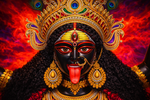
Goddess Sati
Image credit : Freepik
Ekadashi is exclusively devoted to Bhagwan Vishnu, the preserver of the universe. Scriptures state that rice is associated with Rajasic and Tamasic energies, which disturb mental purity. Avoiding rice helps devotees maintain sattva (purity) and deepen spiritual focus.
3. Ayurveda: Rice Increases Tamas in the Body
4. Spiritual Science: Ekadashi Affects Human Energies
5. Discipline and Detachment from Food Desires
- Is it a sin to eat rice on Ekadashi?
According to Hindu scriptures, eating rice on Ekadashi is considered spiritually inauspicious and should be avoided by devotees observing the vrat. - Can we eat rice products like poha or idli on Ekadashi?
No. All rice and rice-based products are strictly prohibited on Ekadashi. - Is Ekadashi fasting compulsory?Is Ekadashi fasting compulsory?
It is not compulsory, but observing Ekadashi vrat is highly recommended for spiritual growth and blessings of Lord Vishnu.