
Eco Friendly Ganesh Chaturthi: Modern Ways to Celebrate Without Harming Nature
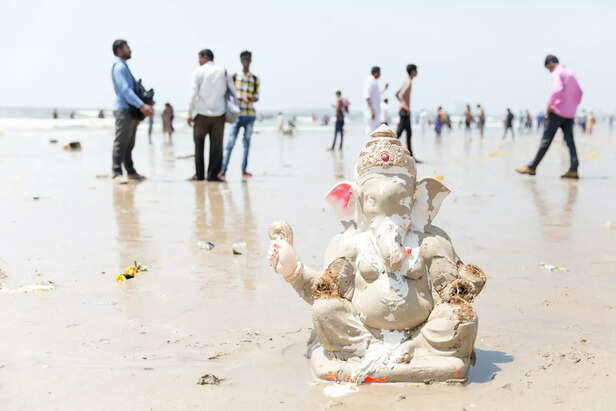
Ganesh Chaturthi is one of the most loved and widely celebrated festivals in India. Streets glow with lights, families gather for prayers, and communities come alive with joy to welcome Lord Ganesha the remover of obstacles and the bringer of wisdom and prosperity. But alongside this festive spirit, another reality exists: the environmental impact of the celebrations. From plaster of Paris (PoP) idols that don’t dissolve in water, to toxic paints and non-biodegradable decorations, the traditional way of celebrating has left rivers, lakes, and oceans choked with pollution.
Today, as climate change and sustainability become pressing issues, the way we celebrate festivals needs a thoughtful shift. An eco friendly Ganesh Chaturthi is not just a trend but a responsibility to honor both Lord Ganesha and Mother Earth.
In this article, we explore modern, sustainable, and creative ways to celebrate Ganesh Chaturthi without harming nature.
Why Go Eco Friendly for Ganesh Chaturthi?
Ganesh Chaturthi is a festival that fills homes and streets with joy, colors, and devotion. Families welcome Lord Ganesha with grandeur, hoping for wisdom, prosperity, and the removal of obstacles. However, over the years, the way we celebrate has shifted in ways that harm the very environment we live in. The use of non biodegradable materials, chemical paints, and large scale waste generation has turned the festival into a source of pollution. This is why embracing an eco-friendly Ganesh Chaturthi is not just a choice but a necessity.
Water Pollution
The immersion (visarjan) of idols is one of the most significant rituals of Ganesh Chaturthi. Unfortunately, traditional Plaster of Paris (PoP) idols do not dissolve easily. Instead, they remain intact for months in lakes and rivers, releasing harmful residues. These residues suffocate aquatic life, kill fish, and disrupt the natural ecosystem. In contrast, clay idols dissolve quickly and leave no toxic footprint.
Toxic Chemicals
Most idols are painted with chemical-based colors that contain lead, mercury, and other heavy metals. When immersed, these toxins mix with water bodies, making them unsafe for drinking, agriculture, and aquatic biodiversity. Over time, they even enter our food chain, posing risks to human health. Eco friendly natural paints, such as those made from turmeric or vegetable dyes, eliminate this hazard.
Plastic Waste
From decorative thermocol items to plastic garlands, much of the décor used during Ganesh Chaturthi ends up as non biodegradable waste. Once the festivities are over, these plastics choke drainage systems, pile up in landfills, and harm stray animals. Using paper, bamboo, or cloth decorations instead can make celebrations just as vibrant without damaging the planet.
Air & Noise Pollution
Loudspeakers, firecrackers, and high decibel celebrations may symbolize joy, but they cause immense stress to animals, birds, and even humans. Noise pollution can lead to anxiety, sleep disturbance, and hearing issues. A more soulful alternative is bhajans, dhol tasha, or cultural programs that keep the festive spirit alive without harming the environment.
Respect for Nature
At its core, Hinduism teaches reverence for rivers, trees, and animals. Lord Ganesha himself is worshipped as a deity of nature and wisdom. Celebrating in eco friendly ways is a true reflection of these values. It allows us to express devotion while protecting the earth, which is considered the ultimate mother.
By adopting sustainable practices, we not only preserve the environment but also ensure that our devotion remains pure and aligned with the essence of the festival.
Sustainable Food Offerings
Food plays a central role in every Indian festival, and Ganesh Chaturthi is no exception. Lord Ganesha’s favorite sweet, the modak, is a symbol of devotion and love, offered as prasad in almost every household. But beyond tradition, the food we prepare and share during the festival can also reflect our responsibility toward the environment. Choosing sustainable food offerings not only honors Ganesha but also ensures that our celebrations do not contribute to unnecessary waste or harm.
Make Modaks at Home
One of the most meaningful ways to celebrate sustainably is by preparing sweets at home instead of buying them in bulk from stores. Packaged sweets often come wrapped in layers of plastic and thermocol, which add to post festival waste. Homemade steamed modaks (ukadiche modak) or baked versions are healthier, fresher, and free from preservatives. Involving children and family members in the process also strengthens bonds and makes the preparation itself a cherished ritual.
Vegan & Health Friendly Options
Modern lifestyles have brought awareness about health and dietary preferences. Ganesh Chaturthi can be an opportunity to create prasad that is both festive and mindful of well being. Instead of refined sugar, opt for jaggery based modaks or laddus, which are rich in minerals and healthier. Coconut, sesame, or dry fruit based sweets are naturally energy boosting and nourishing. Vegan options using plant based milk or ghee alternatives ensure inclusivity for those who avoid animal based products. This way, the celebration becomes wholesome and conscious.
Avoid Plastic Packaging
Prasad is sacred, but often its distribution leaves behind harmful waste. Disposable plastic plates, glasses, and packaging accumulate rapidly during large gatherings. A sustainable alternative is to serve offerings in banana leaves, areca plates, or reusable steel thalis. These are biodegradable, traditional, and eco friendly. Even while gifting sweets to friends and family, using jute bags, cloth pouches, or recycled paper packaging adds a personal and responsible touch.
Community Kitchens & Food Sharing
Ganesh Chaturthi is as much about community as it is about family. Organizing community kitchens promotes sustainable cooking by pooling resources, reducing excess, and ensuring that food waste is minimized. Leftover food can be shared with underprivileged communities, ensuring that the blessings of Lord Ganesha reach everyone. This practice not only prevents wastage but also spreads the spirit of compassion and inclusivity that lies at the heart of the festival.
By making food offerings sustainable, devotees align with Ganesha’s wisdom removing the obstacles of excess, greed, and waste, and celebrating with purity and responsibility.
Educating Children Through Eco Friendly Practices
Festivals are more than rituals they are opportunities to pass down traditions, values, and life lessons to the next generation. Ganesh Chaturthi, celebrated with devotion and enthusiasm, can also become a platform to teach children about sustainability and respect for nature. Since children learn best through observation and hands on experiences, involving them in eco friendly practices during the festival can shape them into conscious, responsible individuals.
Involve Kids in Making Clay Idols
Instead of purchasing chemically painted idols, encourage children to create their own idols using natural clay or dough. This activity not only sparks creativity but also teaches them the importance of using biodegradable materials. Families can turn it into a fun DIY project, where kids mold small idols with their hands, learning patience, artistry, and eco consciousness at the same time. The pride of crafting their own Ganesha instills a deeper connection with both the festival and sustainability.
Eco Awareness Storytelling During Pujas
Children love stories, and festivals are the perfect setting to weave meaningful lessons into traditions. During daily aarti or puja, parents can share stories about Lord Ganesha’s wisdom, patience, and his connection with nature. Adding eco awareness to these stories such as explaining why water bodies should be kept clean or why plants are sacred helps children understand the link between spirituality and environmental responsibility. Storytelling in this context ensures that eco friendly practices are absorbed naturally, without feeling like lectures.
Assigning Small Responsibilities
Giving children simple tasks during the festival makes them active participants rather than passive observers. For example, they can collect flowers from the garden for decoration, help arrange reusable plates for prasad, or water the plants after immersion of clay idols. Such small yet meaningful contributions help them feel responsible and proud, reinforcing the idea that sustainability is a collective effort.
Building Future Eco Conscious Generations
The habits children pick up during festivals often stay with them for life. If they see family members opting for eco friendly idols, avoiding plastics, and celebrating with mindfulness, they too will internalize these practices. Over time, these values grow into a lifestyle shaping future generations who not only celebrate traditions but also protect the environment.
By making Ganesh Chaturthi a teaching ground for eco friendly values, families nurture children who can carry forward both cultural heritage and environmental responsibility with equal devotion.
Welcoming Bappa with Faith and Sustainability
Lord Ganesha, fondly called Vighnaharta, is revered as the remover of obstacles and the bringer of wisdom, prosperity, and balance. In today’s world, one of the greatest obstacles humanity faces is the rapid degradation of the environment. Climate change, pollution, and overconsumption are challenges that threaten not just the present but also the future of generations to come. In such a context, the way we celebrate our festivals can either add to the problem or become part of the solution.
Ganesh Chaturthi, a festival rooted in devotion and joy, gives us the perfect opportunity to align spirituality with sustainability. When we choose clay idols over Plaster of Paris, natural décor over plastic, and mindful practices over extravagance, we aren’t just making small adjustments we are making a statement that devotion should never come at the cost of nature. These choices reflect true reverence for both Lord Ganesha and Mother Earth.
Every eco friendly step taken during the festival is symbolic of Ganesha’s role as the remover of obstacles. A clay idol that dissolves into the soil represents renewal. A plant sprouting from a seed idol reflects growth and continuity. A community kitchen that prevents food waste embodies compassion and sharing. These practices connect tradition with modern responsibility, making celebrations meaningful on a deeper level.
The famous chant, “Ganpati Bappa Morya! Mangal Murti Morya!”, resonates with joy and devotion. But in today’s times, it should also carry a promise the promise of sustainability, responsibility, and care for the environment. True worship is not limited to rituals alone; it extends to protecting the very earth, water, and air that sustain us.
This year, let us welcome Bappa into our homes and hearts with a celebration that honors faith while embracing eco consciousness. By doing so, we ensure that the blessings of Lord Ganesha extend beyond prosperity to include a cleaner, healthier, and greener planet for all.
Ganpati Bappa Morya!