
From Kachcha Bhutta to Buttered Corn Cups: Which Snack Reigns Supreme in Nutrition?
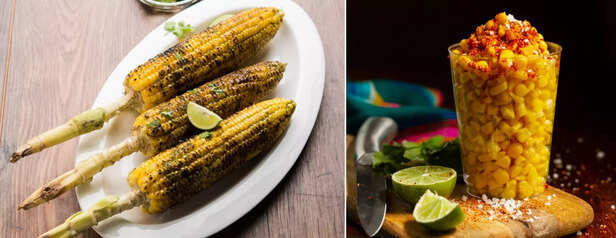
Monsoon Vibes = Corn Cravings!
Tell me if this sounds familiar:
It’s drizzling outside, you’re walking past a roadside stall, and the smoky aroma of roasted bhutta hits your nose. Tempting, right?
Meanwhile, on the other end of the spectrum, there’s the shiny food court kiosk serving buttered sweet corn in a paper cup — easy, mess-free, and modern.
But hold on!
Ever wondered which one is actually better for your health?
Let’s break it down in a fun, snack-sized comparison.
The Contenders
Feature 🐂 Desi Bhutta (Roasted Maize) Sweet Corn (Cup Style)
Type of Corn Indigenous maize (harder, fibrous) Hybrid sweet corn (tender, sugary)
Cooking Method Charcoal-roasted Steamed or boiled
Taste Smoky, earthy, rustic Sweet, buttery, spiced
Common Add-ons Lemon, salt, masala Butter, cheese, chat masala
Nutrition Showdown
1. Calories
Bhutta: ~90–100 kcal per cob (medium)
Sweet Corn: ~150–200 kcal per cup (with butter)
Winner: Bhutta!
Lower in calories, especially if you skip the excessive salt or butter.
2. Sugar & Glycemic Index
Bhutta: Low natural sugar, lower glycemic index
Sweet Corn: Higher sugar content due to hybrid variety
FACT: Sweet corn contains nearly 2x more sugar than desi corn.
That’s why it tastes... well, sweeter!
Winner: Bhutta!
Better for diabetics and blood sugar management.
3. Fiber Power
Bhutta: High in insoluble fiber — keeps your digestion on track
Sweet Corn: Moderate fiber, smoother texture
Winner: Bhutta!
Fiber helps regulate cholesterol and digestion.
4. Additive Alert
Bhutta: Typically has natural seasonings (lemon, salt)
Sweet Corn: Often loaded with butter, cheese, mayo, or synthetic flavor powders
Did you know? Just 1 tbsp of butter = 100 extra calories + saturated fat.
Winner: Bhutta!
Fewer processed extras = cleaner nutrition.
Fun Corn Fact Time!
Did You Know?
Desi maize is rich in antioxidants like lutein and zeaxanthin — great for eye health
Sweet corn was developed for higher sugar content and faster cooking, but at the cost of reduced micronutrients
But Wait… Sweet Corn Isn’t All Bad!
Let’s give sweet corn its due:
It’s rich in folate, Vitamin C, and B-complex vitamins
Easily digestible for kids and elderly
Convenient when you're on-the-go
So… What Should YOU Choose?
If you're looking for:
A wholesome, filling, low-calorie snack: Go for roasted bhutta!
A quick, tasty treat in moderation: Sweet corn is fine — just go easy on the butter.
Let’s Make It Interactive!
Quick Poll:
Which monsoon snack do you prefer?
Bhutta — smoky & rustic
Sweet Corn — buttery & modern
Both, because I have zero self-control
While both have their place, Desi Bhutta takes the crown for being more nutritious, fibrous, and traditional — minus the processed frills.
So next time it rains, skip the food court, grab a cob from the local vendor, squeeze some lemon, and enjoy nature’s original super-snack!
Unlock insightful tips and inspiration on personal growth, productivity, and well-being. Stay motivated and updated with the latest at My Life XP.
Frequently Ask Questions ( FAQ's)
- Can people with acidity eat bhutta?
Not always — bhutta’s high fiber and charred texture can trigger acidity in sensitive stomachs. - Is bhutta safe for kids and toddlers?
Sweet corn is safer for toddlers; bhutta can be tough to chew and a choking risk. - Is charcoal-roasted bhutta harmful?
Over-charring can create harmful compounds, so eat lightly roasted bhutta only. - Can bhutta or sweet corn be stored?
Bhutta is best fresh; sweet corn can be refrigerated for 1–2 days without butter.