
G7 Shock: Global South Sends Urgent Message
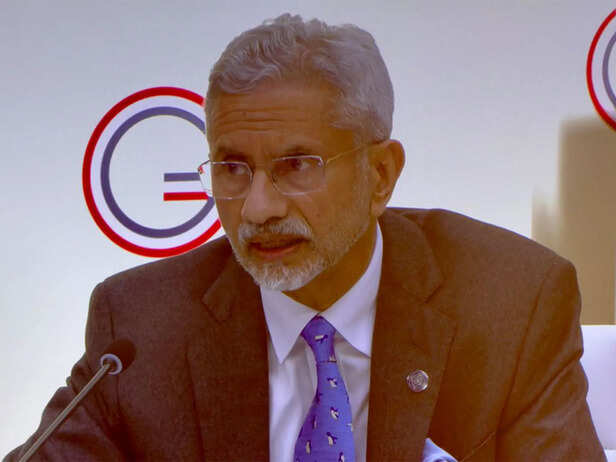
While headlines are filled with wars and political tensions, a deeper and more dangerous crisis is quietly building beneath the surface. At the recent G7 meeting, S. Jaishankar delivered a warning that went beyond geopolitics. He didn’t talk about weapons or borders. He spoke about something far closer to home food, fuel, and energy. These are the essentials people rely on every single day. Yet, rising instability is putting them at risk globally. And the most unsettling truth? While the crisis grows stronger, most people remain unaware until its impact suddenly reaches their lives.
When the Global South Finally Spoke
At the G7 meeting hosted by France, India stepped in as a voice for nations often overlooked. Jaishankar highlighted how developing countries are facing rising food prices, energy shortages, and fertiliser supply issues. These are not abstract problems they directly affect billions of lives daily. While powerful nations debate strategy, smaller economies struggle to survive economic shocks. His message was clear: global discussions cannot ignore the voices of those most affected. The Global South is no longer silent and it’s demanding attention before the crisis deepens beyond control.
The Crisis Nobody Wants to Admit
Here’s the uncomfortable truth: the biggest threat right now isn’t war itself it’s its ripple effects. The ongoing tensions in West Asia are disrupting global supply chains in ways most people don’t realize. Fuel prices fluctuate, food supply tightens, and transportation costs skyrocket. This silent chain reaction hits developing nations the hardest. Jaishankar pointed out that while headlines focus on conflict, the real damage spreads quietly through economies. And by the time it becomes visible to everyone, it may already be too late to control.
Why Trade Routes Are the Real Battleground
Forget traditional battlefields the real fight today is over trade routes and supply chains. Jaishankar stressed the urgent need for resilient systems that can withstand global disruptions. Initiatives like the India-Middle East-Europe Economic Corridor are designed to reduce dependency on fragile routes. When supply chains break, everything from groceries to fuel becomes expensive. This is not just about logistics it’s about stability. Countries that control or secure these routes will shape the future of global trade, while others risk being left vulnerable in times of crisis.
A Broken Global System?
One of the most powerful moments came when Jaishankar called for reforms in global governance, especially the United Nations Security Council. The current system, built decades ago, no longer reflects today’s realities. Developing nations often lack representation where it matters most. This creates a gap between decisions and real-world impact. Without reform, global institutions risk losing credibility. His message was bold: if the system doesn’t evolve, it cannot solve modern crises. And the consequences of that failure could be far-reaching and irreversible.
What This Means for You
This isn’t just a discussion for world leaders it directly affects your life. Rising fuel costs mean expensive transport. Food shortages lead to higher grocery bills. Weak supply chains create uncertainty in everyday essentials. The crisis Jaishankar highlighted is already shaping global prices and economic stability. The key takeaway? Stay aware. Understand global trends. Support sustainable choices where possible. Because the decisions made in rooms like the G7 don’t stay there they ripple into homes, markets, and daily lives across the world.
Unlock insightful tips and inspiration on personal growth, productivity, and well-being. Stay motivated and updated with the latest at My Life XP.
Frequently Asked Questions (FAQs)
1. What did S. Jaishankar warn about at the G7 meeting?
He highlighted serious concerns about rising global instability in food, fuel, and energy supply. His warning focused on how these issues are affecting developing nations the most and could soon impact the entire world if not addressed urgently.
2. Why is the Global South more affected by this crisis?
Countries in the Global South depend heavily on imports for fuel, fertilisers, and food. Any disruption in global supply chains or price spikes hits their economies harder, making basic necessities less affordable for millions.
3. How does the West Asia conflict impact everyday life?
The conflict disrupts oil supply routes and trade networks, increasing transportation and production costs. This leads to higher fuel prices and expensive food globally, affecting daily expenses even in distant countries.
4. What are resilient trade corridors and why are they important?
Resilient trade corridors are stable and secure supply routes designed to function even during global disruptions. They help ensure continuous flow of goods like food and fuel, reducing the risk of shortages and price hikes.