
Gold Crash Alert: Why Prices Suddenly Fell Today
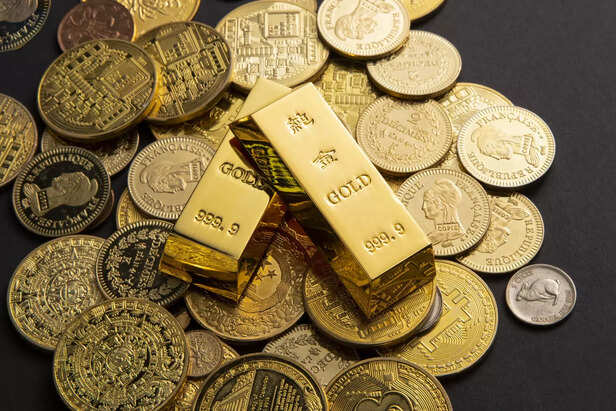
When global tensions rise, investors usually move toward safe-haven assets like Gold and Silver. That is why the recent market reaction surprised many observers. Even as tensions between Iran and Israel intensified, gold prices moved downward instead of rising. The April futures contract on COMEX dropped sharply, catching investors off guard. The key reason lies in the strengthening US Dollar Index. A stronger dollar makes dollar-priced commodities more expensive for global buyers, weakening demand. This shift shows how currency power can sometimes influence markets more than geopolitical fear.
Rising Dollar Changes the Game
A major factor behind the recent drop in Gold is the sharp rise in the US Dollar Index. The dollar gained more than 1.5 percent against major global currencies, strengthening its position in international markets. When the dollar becomes stronger, commodities priced in dollars automatically become more expensive for buyers using other currencies. This reduces global demand for both Gold and Silver. Despite rising geopolitical tensions, the powerful influence of currency strength outweighed the usual safe-haven demand. This unusual balance explains why precious metals moved lower even during a period of global uncertainty.
Middle East Conflict Still Drives Volatility
The conflict between Iran and Israel has entered a dangerous stage, raising global concerns. Missile and drone strikes have continued for nearly two weeks, targeting energy infrastructure and diplomatic sites across the Gulf region. These attacks have pushed global oil prices higher and increased uncertainty in financial markets. A major focus of concern is the Strait of Hormuz, a narrow waterway through which about one-fifth of the world’s oil supply passes. Any disruption in this crucial route could severely impact global energy trade, making the region one of the most sensitive economic hotspots in the world today.
Gold and Silver Prices See Sharp Declines
Despite the geopolitical turmoil, Gold futures on COMEX dropped about $64 per ounce during the trading session. Silver also weakened, slipping roughly $1.47 per ounce. The trend was similar in India, where gold futures on the Multi Commodity Exchange of India declined noticeably, while silver prices also moved lower. Many investors had expected precious metals to rise because of global tensions, but the opposite happened. The shift highlights how modern financial markets respond not only to geopolitical crises, but also to powerful factors like currency strength and expectations about future interest rates.
Energy Prices Create Global Pressure
The ongoing conflict has triggered a sharp rise in global oil prices, raising serious concerns for the world economy. Analysts warn that crude prices could climb dramatically if tensions continue to spread across the region. A major reason for this fear is Iran’s growing influence over the Strait of Hormuz, a narrow passage through which a large share of the world’s oil supply travels. Any disruption here can quickly disturb global trade and energy supplies. As fuel prices rise, inflation pressure increases across economies, forcing investors to rethink their strategies and creating volatility not only in oil markets but also in assets like Gold and Silver.
What Investors Should Watch Next
For investors, the recent movement in Gold and Silver offers an important lesson about modern markets. Prices are rarely driven by a single factor. Currency strength, interest-rate expectations, and geopolitical tensions often interact at the same time. The rise of the US Dollar Index has recently played a key role in limiting gains in precious metals. At the same time, rising energy prices and global uncertainty continue to influence investor behavior. In the coming weeks, traders will closely watch central bank signals and currency trends, as these forces may determine whether precious metals regain upward momentum.
Unlock insightful tips and inspiration on personal growth, productivity, and well-being. Stay motivated and updated with the latest at My Life XP.
Frequently Asked Questions (FAQs)
1. Why did Gold prices fall despite global tensions?
Gold usually rises during geopolitical crises, but a stronger US Dollar Index reduced global demand. When the dollar strengthens, dollar-priced commodities like gold become more expensive for international buyers, which can push prices lower.
2. How did the conflict between Iran and Israel affect markets?
The ongoing tensions increased volatility in energy markets and pushed oil prices higher. However, currency movements and interest-rate expectations still played a larger role in precious metal prices.
3. What happened to Silver during this period?
Silver prices also declined alongside gold due to the strong US dollar and cautious investor sentiment.
4. How did gold perform in India’s domestic market?
Gold futures on the Multi Commodity Exchange of India also slipped, reflecting the global downward trend.
5. What factors should investors watch next?
Investors should monitor the US dollar strength, central bank policies, geopolitical developments, and energy prices, as these factors can strongly influence precious metal markets.