
Hanuman Was Older Than Rama, So Why Did He Still Bow?
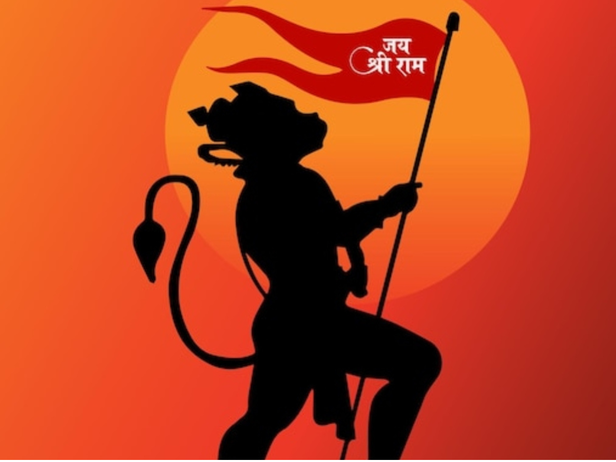
The idea unsettles hierarchy-loving minds: Hanuman was older than Rama. In a culture where age often equals authority, this single truth quietly overturns social conditioning. Hanuman, born to Kesari and Anjana and blessed by Vayu, had already lived, fought, forgotten, and rediscovered his powers long before Rama walked the earth as a prince of Ayodhya. Yet history remembers Hanuman not as a senior demanding reverence, but as a devotee choosing service. That choice is what makes this fact profoundly relevant today.
Age gives experience, not automatic wisdom. Hanuman understood this long before modern leadership manuals tried to explain it. His seniority never became entitlement; instead, it became responsibility. In recognizing Rama as his north star, Hanuman shows that dharma outranks chronology. The Ramayana subtly tells us that righteousness is not inherited through age it is recognized through action.
When Experience Chooses to Serve Purpose
Hanuman’s age is evident in his composure. He does not rush to prove himself. He listens more than he speaks. When he first meets Rama, he approaches as a messenger, not as a powerhouse. This restraint is not accidental; it is the maturity of someone who knows that wisdom works best quietly.
In modern workplaces, we often see the opposite. Senior professionals struggle to take direction from younger leaders. Ego hardens where adaptability should live. Hanuman dismantles this mindset with grace. Despite being older, stronger, and divinely empowered, he accepts Rama’s leadership without resistance. Not because Rama is younger or royal but because Rama embodies dharma.
This dynamic mirrors real life more than mythology. We have all met mentors who grow bitter with time and mentors who grow generous. Hanuman belongs to the second kind the elder who uplifts rather than overshadows. He never says, “I know better.” Instead, he asks, “How can I help?” That is not subservience; that is evolved intelligence.
Even in Lanka, Hanuman acts independently strategizing, observing, measuring consequences yet never breaks alignment with Rama’s larger mission. This balance between autonomy and loyalty is rare even today. Age gave Hanuman perspective; devotion gave it direction.
Reverence Beyond Age: Rama Touches Hanuman’s Feet
One of the most overlooked yet powerful moments in the Ramayana occurs after victory, when Rama embraces Hanuman and acknowledges his debt. Symbolically, Rama God incarnate honors an elder devotee. This moment collapses rigid social ladders. It tells us that reverence flows both ways: youth bows to experience, and experience bows to virtue.
In families, institutions, and societies, conflict often arises when age demands obedience without earning trust. Hanuman earns trust not through years lived but through consistency of character. That is why Rama listens to him, relies on him, and respects him deeply.
This exchange holds a quiet lesson for contemporary India, where generational clashes define politics, culture, and even homes. Hanuman teaches elders to remain students of truth, not prisoners of seniority. Rama teaches the young to respect elders who stand for values, not just authority.
Hanuman being older than Rama also reframes devotion. It tells us bhakti is not emotional dependency; it is conscious alignment. Hanuman did not follow Rama because he was younger or divine he followed him because Rama stood for something timeless.
When Age Bows to Meaning
Hanuman was older than Rama but greatness is not about who came first; it is about who stands firm in dharma. In choosing service over status, Hanuman proves that maturity is not measured in years, but in humility. In an age obsessed with seniority, power, and hierarchy, Hanuman offers a radical truth: the wisest among us are those who know when to lead and when to walk beside.