
How Many Days Should Kalava Stay? Uncover the Ancient Raksha Sutra Guidelines
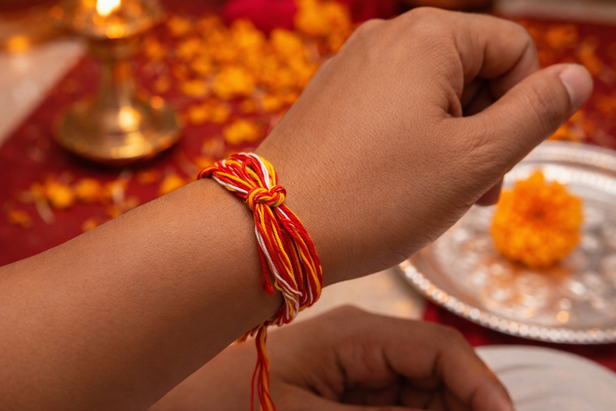
Kalava, also called Raksha Sutra, is not just a thread it’s a symbol of protection, blessings, and spiritual energy. Traditionally tied on the wrist during religious rituals, festivals, or after a yagna, it is believed to protect the wearer from negative energies and invite divine blessings. But did you know that there are specific rules about when and how long it should be tied? Understanding these guidelines ensures the thread serves its true purpose. In this article, we explore 5 essential rules and timings related to Kalava, helping devotees honor its sacred power fully.
Timing of Tying Kalava : The First Step
Kalava is usually tied during a puja, homa, or festival like Raksha Bandhan or Navratri, preferably in morning hours after sunrise, when energy is pure. The day chosen can also depend on the Nakshatra (constellation) and Muhurat, as per Hindu traditions. Devotees believe tying the thread at the right time enhances its protective power and spiritual energy, ensuring that it acts as a shield against negative forces while inviting blessings for health, peace, and prosperity.
How Many Days Should Kalava Be Worn?
Traditionally, the Kalava thread is kept for 3, 7, or 11 days, depending on the ritual or personal vow. In some households, it is tied for the full duration of a festival, while in others, the thread is retied every few days for continuous blessings. Removing it too soon may lessen the spiritual effect, while wearing it faithfully aligns the wearer with positive energies. The key is devotion: a thread tied with love and faith brings more benefit than just following the clock.
Rules for Men and Women
Kalava is not just for women it’s worn by men and children too. Women usually tie it during festivals or after a pooja, while men tie it during specific yagyas or protective rituals. The thread should be tied on the right wrist for men and left wrist for women, as per traditional beliefs. Following these customs ensures that the protective energy flows correctly, and the divine blessings are received. Ignoring the rules may reduce its intended spiritual power, so devotion and discipline are equally important.
Special Rituals While Tying Kalava
While tying Kalava, it is recommended to chant sacred mantras, sprinkle holy water, or offer flowers and rice grains. These rituals energize the thread, linking it with divine vibrations. Some families also tie multiple threads for extended protection or to honor specific deities. The thread becomes a spiritual bridge between the wearer and the divine, offering both protection from negative energies and blessings for success, health, and harmony. Even a simple thread, tied with reverence, carries immense power when combined with ritual purity and faith.
When to Remove or Retie Kalava
After the prescribed duration of 3, 7, or 11 days, Kalava should be removed respectfully and either immersed in holy water or disposed of in a clean, sacred place. In some traditions, devotees retie the Kalava to continue protection or during the next festival cycle. This practice ensures that the spiritual energy and protective power of the thread are preserved and renewed. The removal is as important as tying it: doing so with gratitude and devotion completes the ritual cycle and maintains spiritual harmony.
Unlock insightful tips and inspiration on personal growth, productivity, and well-being. Stay motivated and updated with the latest at My Life XP.
Frequently Asked Questions (FAQs)
1. What is Raksha Sutra or Kalava?
Raksha Sutra, also called Kalava, is a sacred thread tied during religious rituals, festivals, or poojas. It symbolizes divine protection, blessings, and spiritual energy.
2. How many days should Kalava be worn?
Traditionally, Kalava is kept for 3, 7, or 11 days, depending on the ritual or personal vow. Wearing it faithfully ensures maximum spiritual benefit and protection.
3. When should Kalava be tied?
It is usually tied during morning hours after sunrise in festivals or poojas. Timing with Nakshatra (constellation) or Muhurat is believed to enhance its sacred energy.
4. Which wrist should Kalava be tied on?
For women, it is tied on the left wrist, and for men, on the right wrist, according to traditional beliefs for optimal spiritual flow.
5. Can Kalava be retied or replaced?
Yes, it can be retied for continued blessings or during the next festival. When removing, it should be disposed of respectfully in holy water or a clean sacred place.