
How One Artist Gave a Face to India's Gods
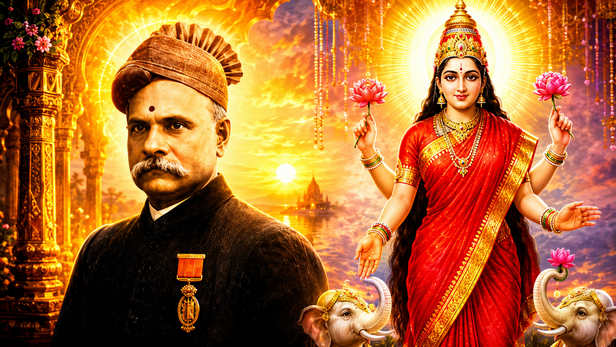
Look closely at any traditional image of Goddess Lakshmi, Saraswati, or Parvati. Have you ever wondered who imagined those divine faces? For centuries, people worshipped gods and goddesses through idols and sacred symbols. Then one artist changed everything. His paintings became so popular that they shaped how generations of Indians visualized the divine. But the biggest surprise is this: the face behind many of those goddess paintings may have belonged to a real young woman. The story begins with a curious boy from Kerala who dared to ask a simple question what would the gods look like if they appeared before us?
A Young Artist With An Unusual Dream
Born in 1848, Raja Ravi Varma showed extraordinary artistic talent from a young age. Through family connections, he gained access to the royal court of Travancore, where European artists often worked. Fascinated by their techniques, he carefully observed their methods and taught himself new styles of painting. At a time when Indian religious art followed traditional patterns, Ravi Varma dreamed of creating something more lifelike. He wanted to bring emotion, realism, and humanity into his work. Few realized that his artistic curiosity would eventually change the visual identity of Hindu devotion across India.
The Question That Changed Indian Art
Ravi Varma became fascinated by a simple yet profound question: If gods and goddesses appeared before us, what would they actually look like? Most people knew divine figures through sculptures and temple traditions, but realistic painted images were rare. Determined to bridge imagination and devotion, he began studying expressions, clothing, posture, and human beauty. His goal was not merely to paint religious figures but to make them feel alive. This vision would soon lead to some of the most iconic paintings ever created in India.
The Real Face Behind The Divine Images
According to popular accounts, Ravi Varma used a young woman from his family as inspiration while creating several goddess paintings. Her features, grace, and expressions influenced his artistic vision for Lakshmi, Saraswati, and Parvati. Through careful composition and imagination, he transformed human beauty into divine imagery. The result was extraordinary. These paintings did not feel distant or symbolic. They felt relatable, compassionate, and alive. For many devotees, these images created a deeper emotional connection with the divine than ever before.
The Printing Press That Reached Every Home
Creating beautiful paintings was only part of Ravi Varma's mission. In 1894, he established a printing press that allowed high-quality reproductions of his artwork to be distributed at affordable prices. Until then, such paintings were mostly accessible to wealthy patrons. Suddenly, ordinary families could place images of Lakshmi, Saraswati, Krishna, and other deities in their homes. This revolutionized religious art in India. His paintings moved from royal halls to village homes, creating a shared visual language of devotion that continues to influence Hindu culture today.
A Legacy That Still Lives On
More than a hundred years later, the impact of Raja Ravi Varma's work can still be seen everywhere. From calendars and temples to festival decorations and prayer rooms, his artistic interpretations remain deeply embedded in Indian culture. Many people may not know his name, but they recognize the images he created. His paintings helped define how generations imagined the divine. Through art, he connected spirituality with everyday life and left behind a legacy that continues to inspire devotion, beauty, and cultural pride.
The Artist Who Gave The Divine A Familiar Face
The story of Raja Ravi Varma is not just about art. It is about imagination, devotion, and the power of one person's vision to shape an entire culture. The next time you see a traditional image of Lakshmi, Saraswati, or Parvati, remember that behind those familiar faces lies the work of an artist who dared to imagine the divine in a new way. His paintings transformed religious art forever and brought the gods closer to millions of people. Sometimes, history's greatest changes begin with a single question.
Unlock insightful tips and inspiration on personal growth, productivity, and well-being. Stay motivated and updated with the latest at My Life XP.
Frequently Asked Questions (FAQs)
1. Who was Raja Ravi Varma?
Raja Ravi Varma was a renowned Indian painter from Kerala, celebrated for combining European artistic techniques with Indian themes. His paintings of Hindu gods, goddesses, and epic characters transformed Indian art and remain popular even today.
2. Why is Raja Ravi Varma famous?
He is famous for creating realistic and emotionally expressive paintings of Hindu deities. His artwork helped millions of people visualize gods and goddesses in a way that felt more personal and relatable.
3. Did Raja Ravi Varma use real people as models for his paintings?
Yes. Ravi Varma often used real individuals as references for his paintings. This approach helped him create lifelike expressions, postures, and details that made his artwork stand out.
4. Is it true that a real woman inspired his goddess paintings?
Various historical accounts and popular narratives suggest that real-life models inspired several of his paintings. However, the artistic process involved a combination of observation, imagination, symbolism, and creative interpretation.
5. How did Raja Ravi Varma make his paintings available to ordinary people?
In 1894, he established a printing press that produced affordable reproductions of his artwork. This allowed people from different social and economic backgrounds to own images of Hindu deities.