
How PM Modi Avoids Power Fatigue After 12 Years
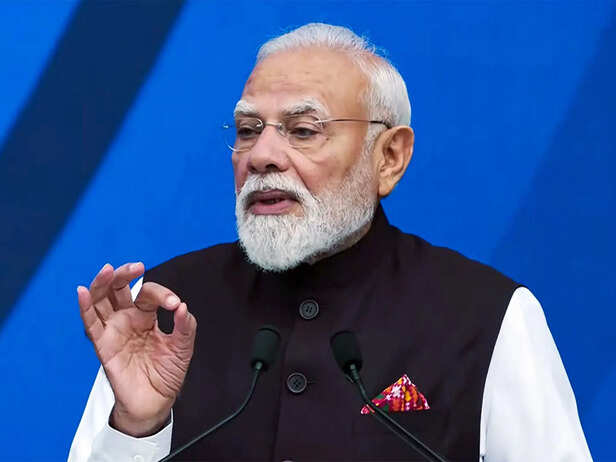
Most leaders struggle to maintain the same level of energy, focus, and public connection after years in power. Fatigue sets in. Fresh ideas become rare. Public enthusiasm begins to fade. Yet after more than a decade leading India, Prime Minister Narendra Modi continues to dominate national conversations, launch new initiatives, and maintain an active presence across the country. So what is the secret behind this remarkable political endurance? Former Principal Secretary Nripendra Mishra recently revealed insights that offer a rare glimpse into Modi’s leadership style. What he shared challenges many assumptions about power, governance, and long-term leadership success.
The Communication Advantage
Many leaders speak to people. Few truly connect with them. According to Nripendra Mishra, Modi’s greatest strength is not just his words but the way he engages with citizens. Whether through speeches, public interactions, or national campaigns, he focuses on creating a direct connection with people. This approach helps him understand public sentiment while ensuring citizens feel heard. In an era where trust is increasingly important, communication becomes more than a skill it becomes a leadership advantage that keeps a government connected to the ground reality.
A Singular Focus on Development
One of the most striking observations shared by Mishra was that discussions with Modi consistently revolved around development. Rather than being distracted by short-term political calculations, he reportedly maintained a clear focus on long-term national growth. This single-minded approach creates consistency in decision-making and governance. When leaders remain committed to a core objective, they are less likely to lose direction. That clarity not only drives policy but also creates momentum across departments working toward common national goals.
The Unpredictability Factor
Most political leaders become predictable over time. Their responses, preferences, and decisions can often be anticipated. Mishra believes Modi is different. He described a leader whose reactions to policies cannot be easily forecast. This unpredictability forces officials and policymakers to remain prepared and think critically. Instead of relying on assumptions, teams must continuously improve their proposals and arguments. The result is an environment where innovation and preparation become essential rather than optional.
The Detail That Surprised Everyone
Mishra recalled a memorable incident after a government meeting. Although he had attended the discussion, Modi later remarked that he seemed absent. The reason was unexpected. Modi had noticed that Mishra was no longer contributing opinions as actively as before. This observation revealed an extraordinary level of attentiveness. Great leaders do not simply monitor outcomes; they observe participation, engagement, and behavior. Such awareness helps identify problems early and encourages people to stay actively involved in important discussions.
Challenging People to Stay Sharp
Long-term success can sometimes create comfort zones. According to Mishra, Modi actively works against this tendency by encouraging participation and critical thinking. Team members are expected to contribute ideas, challenge assumptions, and remain engaged. This culture reduces complacency and pushes individuals to perform at their best. When leaders continuously challenge those around them, organizations become more adaptable and resilient. It transforms routine governance into an ongoing process of improvement and innovation.
Fighting the Biggest Threat: Complacency
One of Mishra’s most important observations was that Modi prioritizes freshness in governance. Remaining in power for a long period often leads to stagnation. Policies become repetitive, enthusiasm declines, and administrative fatigue emerges. Modi’s approach appears designed to prevent this. By introducing new initiatives, encouraging active participation, and maintaining high expectations, he keeps the system moving forward. Freshness is not merely about new ideas it is about maintaining the energy required to execute them effectively.
The Real Secret Behind 12 Years of Momentum
The true lesson from Mishra’s insights is that longevity alone does not create success. What matters is the ability to combine consistency with renewal. Modi’s communication skills, development-driven mindset, attention to detail, and willingness to challenge both himself and others create a leadership model designed to resist fatigue. Instead of relying on past achievements, the focus remains on continuous movement forward. That combination may explain why, after 12 years in office, the administration continues to project energy and purpose.
Unlock insightful tips and inspiration on personal growth, productivity, and well-being. Stay motivated and updated with the latest at My Life XP.
Frequently Asked Questions (FAQs)
1. Why is PM Modi's 12-year tenure being discussed?
PM Narendra Modi has completed 12 years leading the Union government, making his leadership longevity and governance style a topic of significant public and political interest.
2. What qualities did former Principal Secretary Nripendra Mishra highlight?
Nripendra Mishra identified three key qualities: strong communication skills, an unwavering focus on national development, and an unpredictable approach to policymaking that keeps teams alert and engaged.
3. How does PM Modi avoid governance fatigue?
According to Mishra, Modi constantly brings freshness into governance by encouraging new ideas, maintaining high expectations, and preventing complacency within the administration.
4. Why is communication considered one of Modi's biggest strengths?
Mishra believes Modi's ability to connect directly with citizens helps him understand public concerns while ensuring people feel involved in the nation's development journey.
5. What does Modi's focus on development mean in practice?
Mishra stated that discussions with Modi consistently centered on development, suggesting that long-term national growth remains a primary consideration in decision-making.