
Is Ganesh Chaturthi Really His Birthday? Shocking Truth
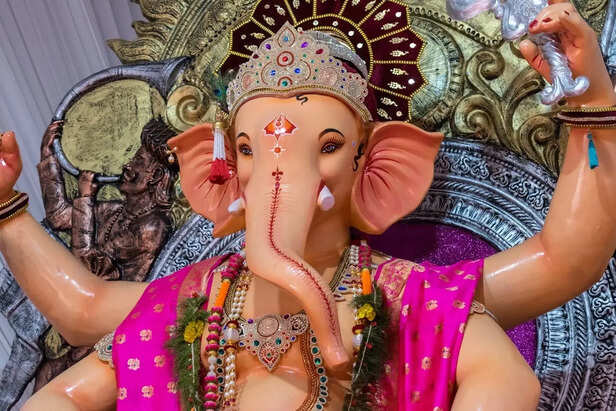
What if the day you celebrate as Lord Ganesha’s birthday isn’t exactly what you think it is? Every year, millions celebrate Ganesh Chaturthi with devotion, joy, and grand rituals. It feels like a birthday celebration. But here’s the surprising part ancient scriptures and traditions don’t all say the same thing. Some quietly point to a different truth. And once you understand it your entire perspective on this festival changes.
What Scriptures Actually Say
According to texts like Ganesh Purana and other traditional sources, Lord Ganesha’s birth is associated with Bhadrapada Shukla Chaturthi. However, these references are not always direct or uniform. Some scriptures describe the day with symbolic meanings rather than a literal birthday. Different regions and traditions interpret these mentions in their own way. This creates a layered understanding rather than a fixed date. It shows that ancient traditions focused more on spiritual significance than exact calendar events.
Festival vs Birth: The Hidden Difference
Ganesh Chaturthi today is widely celebrated as the birth of Ganesha. But many scholars believe it represents something deeper. Instead of marking a physical birth, it symbolizes inviting Ganesha into our lives. It is about devotion, connection, and presence. The festival became popular as a public celebration over time, especially to bring communities together. So while it feels like a birthday, it may actually be a spiritual event of welcoming divine energy into our homes.
Why Ganesh Jayanti Is Different
In some traditions, especially among followers of the Ganapatya sect, Ganesh Jayanti is considered the true birth day of Lord Ganesha. This day is observed with deep ritualistic significance and is closely tied to scriptural references. Unlike the grand public celebrations of Ganesh Chaturthi, Jayanti is often more traditional and focused. This shows how different traditions preserve different aspects of the same belief, without necessarily contradicting each other.
How One Belief Became Popular
Ganesh Chaturthi became widely popular as a public festival over time. It brought people together, created unity, and made devotion visible. The idea of celebrating it as a birthday made it more relatable and emotional. People connect more deeply when they feel they are celebrating a divine moment. This transformation from a spiritual observance to a cultural festival helped it spread across regions. It became less about exact interpretation and more about collective faith and celebration.
The Real Meaning You Should Understand
The truth is there is no strict right or wrong here. Some traditions follow Ganesh Jayanti as the birth day, while others celebrate Ganesh Chaturthi with equal devotion. Hindu traditions allow multiple interpretations to exist together. The real purpose is not to argue over dates, but to connect with the divine. When we understand this, respect for traditions grows. Instead of confusion, it brings clarity that faith is more about meaning than exact definitions.
Unlock insightful tips and inspiration on personal growth, productivity, and well-being. Stay motivated and updated with the latest at My Life XP.
Frequently Asked Questions (FAQs)
1. Is Ganesh Chaturthi really Lord Ganesha’s birthday?
Ganesh Chaturthi is widely celebrated as his birth day, but not all traditions interpret it literally. Many see it as a symbolic day to invite Ganesha’s presence rather than a strict historical birth date.
2. What is Ganesh Jayanti?
Ganesh Jayanti is considered by some traditions, especially the Ganapatya sect, as the actual birth day of Lord Ganesha based on scriptural references and traditional beliefs.
3. Why are there two different dates?
Hindu traditions often have multiple interpretations. Some follow scriptural readings, while others focus on devotional practices and cultural evolution, leading to different observances.
4. What do scriptures say about Ganesha’s birth?
Texts like the Ganesh Purana mention Bhadrapada Shukla Chaturthi, but not always in a direct, uniform way. Interpretations vary across regions and scholars.
5. Is one belief right and the other wrong?
No. Both are valid within their own traditions. Hindu philosophy allows diverse perspectives to coexist without conflict.