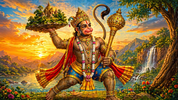
Is Hanuman Actually Shiva Himself? The Hidden Truth
Deepak Rajeev | Fri, 24 Apr 2026
This article explores whether Lord Hanuman is actually Lord Shiva himself, examining the Rudra avatar belief and his divine origin. It explains how Hanuman represents Shiva’s energy in action through devotion, strength, and humility, revealing a deeper spiritual truth about transformation, purpose, and the power of selfless service in Hindu philosophy.

Rudra Avatar Explanation (Image Credit: AI)
There are ideas in Hindu spirituality that refuse to stay within simple definitions, ideas that feel too vast, too layered, and too interconnected to be explained in a single sentence, and among them is one of the most powerful and debated beliefs of all: the idea that Lord Hanuman is not merely a devoted follower of Lord Rama, but a direct manifestation of Lord Shiva himself. This is not just a poetic interpretation or a symbolic suggestion. For many traditions, it is a living truth, one that transforms how devotion, power, and divinity are understood. Because in Hindu philosophy, divinity is not limited. It expresses itself in forms that serve a purpose.
![Lord Hanuman]() The story of Hanuman’s birth is where this connection begins to take a clearer and more compelling shape. While he is widely known as the son of Vayu, the wind god, several sacred traditions describe his origin as a result of Lord Shiva’s divine energy entering the world with intent.
The story of Hanuman’s birth is where this connection begins to take a clearer and more compelling shape. While he is widely known as the son of Vayu, the wind god, several sacred traditions describe his origin as a result of Lord Shiva’s divine energy entering the world with intent.
According to these beliefs, when the cosmic balance required the presence of Lord Rama, an incarnation of Vishnu, the universe responded with equal precision. The energy of Shiva did not remain distant. It manifested through Hanuman, ensuring that Rama’s mission would not only be fulfilled, but protected with unwavering strength and devotion. This is why some traditions do not describe Hanuman merely as blessed by Shiva. They describe him as Shiva. Not metaphorically. But functionally.
![Lord Shiva]() The idea that Hanuman is a Rudra avatar is central to understanding this belief. Rudra represents one of the most intense and powerful aspects of Shiva, associated with destruction of evil, fearless protection, and unstoppable force.
The idea that Hanuman is a Rudra avatar is central to understanding this belief. Rudra represents one of the most intense and powerful aspects of Shiva, associated with destruction of evil, fearless protection, and unstoppable force.
When Hanuman is described as a Rudra avatar, it is not simply a title of respect. It is a declaration of origin. It suggests that the same force that defines Shiva’s most powerful form is present within Hanuman, not as influence, but as identity expressed through a different role. This is why Hanuman’s strength is not ordinary strength. It feels limitless. It feels divine. Because it is not separate from Shiva’s power.
![Maha Dev]() To truly understand how one can be the other, it is necessary to move beyond literal thinking and into philosophical depth. Lord Shiva represents stillness, meditation, and the silent force of transformation, a presence that exists beyond action, beyond ego, beyond desire.
To truly understand how one can be the other, it is necessary to move beyond literal thinking and into philosophical depth. Lord Shiva represents stillness, meditation, and the silent force of transformation, a presence that exists beyond action, beyond ego, beyond desire.
Lord Hanuman represents that same force in motion. He is what happens when stillness chooses to act. He is what divine power looks like when it moves with purpose. Where Shiva remains detached, Hanuman engages completely. Where Shiva dissolves the ego, Hanuman lives without it. Their expressions are different, but their essence is aligned so precisely that they begin to feel like two states of the same reality. Not separate. But continuous.
Perhaps the most convincing evidence of this connection is not found in stories of strength, but in the way Hanuman lives. Despite possessing unimaginable power, he never claims it. Despite being capable of greatness, he never seeks it. He chooses service. He chooses surrender. He chooses devotion to Lord Rama above everything else. This is not weakness. This is mastery. Because in spiritual philosophy, the highest state is not control over others, but complete freedom from the need for control. This is the state associated with Shiva, the ultimate yogi, the one who has transcended ego entirely. Hanuman does not just follow this path. He embodies it.
There is a well-known moment in devotional lore where Hanuman tears open his chest to reveal the image of Lord Rama and Sita within his heart. While often seen as a symbol of devotion, it carries a deeper implication when viewed through this lens. If Hanuman carries Rama completely within himself, and if he is an expression of Shiva, then what we are witnessing is not just devotion. It is divine alignment. It is one form of divinity serving another, without conflict, without ego, without separation. And that is the hidden truth most people overlook.
Not all traditions agree that Hanuman is Shiva himself. Some emphasize his identity as the son of Vayu, while others fully accept his nature as a manifestation of Shiva’s energy. This diversity is not a flaw in the tradition. It is its strength. Because Hindu philosophy does not force a single perspective. It allows multiple layers of truth to exist at the same time, each offering a different way to understand the same divine reality. And this is why the debate continues. Because it is not just about mythology. It is about meaning.
The belief that Hanuman is Shiva himself is not just about identity. It is about purpose. It reveals that divine energy does not remain fixed in one form. It moves, adapts, and manifests where it is needed most. When Vishnu appears as Rama to restore balance, Shiva does not remain distant. He appears as Hanuman, not as a ruler, not as a destroyer, but as a servant. And that changes the entire understanding of power. Because it shows that the highest form of strength is not dominance. It is devotion.
So why is Lord Hanuman believed to be Lord Shiva himself?
Because beyond the stories, beyond the interpretations, and beyond the debates, there is a deeper pattern that connects them, a pattern that reveals that stillness and action are not opposites, that power and humility are not separate, and that divinity is not limited to a single expression. It is fluid. It is purposeful. And in the relationship between Hanuman and Shiva, it reaches one of its most powerful expressions. Not as two different beings. But as one divine force, experienced in two different ways. One in silence. One in service.
Unlock insightful tips and inspiration on personal growth, productivity, and well-being. Stay motivated and updated with the latest at My Life XP.
The Birth That Was Never Ordinary
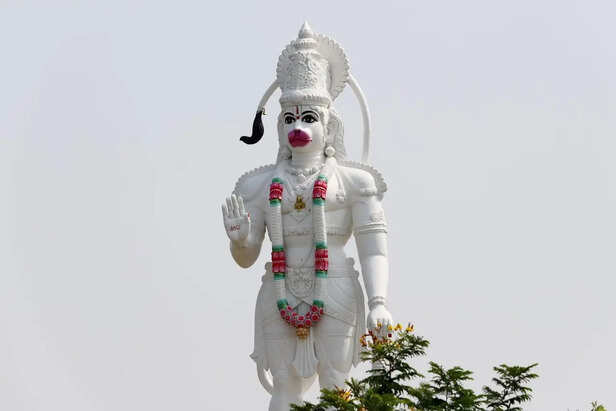
Lord Hanuman
Image credit : Pexels
According to these beliefs, when the cosmic balance required the presence of Lord Rama, an incarnation of Vishnu, the universe responded with equal precision. The energy of Shiva did not remain distant. It manifested through Hanuman, ensuring that Rama’s mission would not only be fulfilled, but protected with unwavering strength and devotion. This is why some traditions do not describe Hanuman merely as blessed by Shiva. They describe him as Shiva. Not metaphorically. But functionally.
The Meaning of “Rudra Avatar” Changes Everything
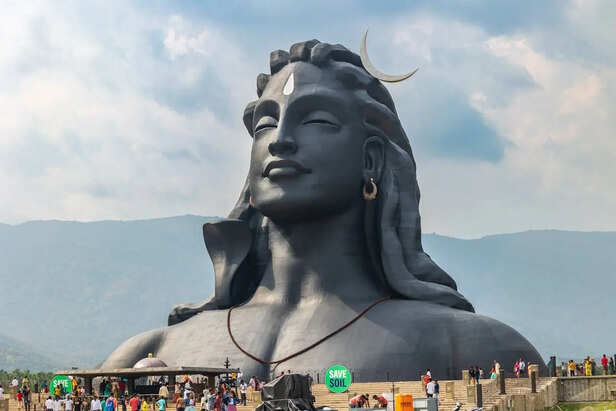
Lord Shiva
Image credit : Pexels
When Hanuman is described as a Rudra avatar, it is not simply a title of respect. It is a declaration of origin. It suggests that the same force that defines Shiva’s most powerful form is present within Hanuman, not as influence, but as identity expressed through a different role. This is why Hanuman’s strength is not ordinary strength. It feels limitless. It feels divine. Because it is not separate from Shiva’s power.
Shiva in Stillness, Hanuman in Motion
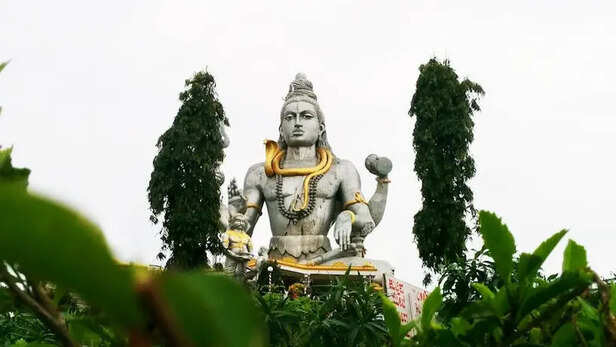
Maha Dev
Image credit : Pexels
Lord Hanuman represents that same force in motion. He is what happens when stillness chooses to act. He is what divine power looks like when it moves with purpose. Where Shiva remains detached, Hanuman engages completely. Where Shiva dissolves the ego, Hanuman lives without it. Their expressions are different, but their essence is aligned so precisely that they begin to feel like two states of the same reality. Not separate. But continuous.
Why Hanuman’s Devotion Is the Strongest Proof
Perhaps the most convincing evidence of this connection is not found in stories of strength, but in the way Hanuman lives. Despite possessing unimaginable power, he never claims it. Despite being capable of greatness, he never seeks it. He chooses service. He chooses surrender. He chooses devotion to Lord Rama above everything else. This is not weakness. This is mastery. Because in spiritual philosophy, the highest state is not control over others, but complete freedom from the need for control. This is the state associated with Shiva, the ultimate yogi, the one who has transcended ego entirely. Hanuman does not just follow this path. He embodies it.
The Moment That Reveals Everything
There is a well-known moment in devotional lore where Hanuman tears open his chest to reveal the image of Lord Rama and Sita within his heart. While often seen as a symbol of devotion, it carries a deeper implication when viewed through this lens. If Hanuman carries Rama completely within himself, and if he is an expression of Shiva, then what we are witnessing is not just devotion. It is divine alignment. It is one form of divinity serving another, without conflict, without ego, without separation. And that is the hidden truth most people overlook.
Why This Idea Still Divides People
Not all traditions agree that Hanuman is Shiva himself. Some emphasize his identity as the son of Vayu, while others fully accept his nature as a manifestation of Shiva’s energy. This diversity is not a flaw in the tradition. It is its strength. Because Hindu philosophy does not force a single perspective. It allows multiple layers of truth to exist at the same time, each offering a different way to understand the same divine reality. And this is why the debate continues. Because it is not just about mythology. It is about meaning.
The Deeper Truth Most People Miss
The belief that Hanuman is Shiva himself is not just about identity. It is about purpose. It reveals that divine energy does not remain fixed in one form. It moves, adapts, and manifests where it is needed most. When Vishnu appears as Rama to restore balance, Shiva does not remain distant. He appears as Hanuman, not as a ruler, not as a destroyer, but as a servant. And that changes the entire understanding of power. Because it shows that the highest form of strength is not dominance. It is devotion.
Conclusion: More Than a Belief
So why is Lord Hanuman believed to be Lord Shiva himself?
Because beyond the stories, beyond the interpretations, and beyond the debates, there is a deeper pattern that connects them, a pattern that reveals that stillness and action are not opposites, that power and humility are not separate, and that divinity is not limited to a single expression. It is fluid. It is purposeful. And in the relationship between Hanuman and Shiva, it reaches one of its most powerful expressions. Not as two different beings. But as one divine force, experienced in two different ways. One in silence. One in service.
Unlock insightful tips and inspiration on personal growth, productivity, and well-being. Stay motivated and updated with the latest at My Life XP.