
Is Sanatan Dharma Being Misused? Shocking Truth
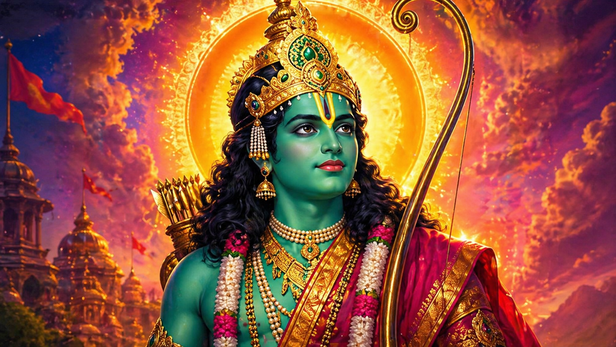
What if the way we talk about Sanatan Dharma today isn’t how it was ever meant to be understood? The phrase feels ancient, pure, and timeless almost unquestionable. Yet meanings can shift quietly over time. Not through loud changes, but through subtle reinterpretations that slowly reshape understanding. What we repeat today may only be a part of a much larger idea. This doesn’t mean it is wrong, but it may be incomplete. To truly understand it, we don’t need more arguments or louder voices. We need to pause, reflect, and look deeper into the layers that history, culture, and time have gently hidden.
Dharma Was Never One-Size-Fits-All
Sanatan Dharma was never built on a single rule for everyone. Unlike rigid systems, it evolved with context, time, and individual paths. The idea of rebirth itself suggests continuity, not final judgment. This creates a flexible moral framework where decisions depend on situation, not fixed law. But today, this complexity is often reduced into simplified definitions. When flexibility is lost, the original depth of Dharma begins to fade. Understanding this difference is key to seeing its true essence.
When Philosophy Becomes Power
Over time, powerful ideas can be reinterpreted to serve specific interests. Sanatan Dharma, when reduced to slogans, risks becoming a tool rather than a philosophy. Instead of creating balance, it can be used to concentrate influence and control. This shift is subtle but important. What was once an ecosystem of diverse roles can slowly turn into a structure where power is held by a few. The difference lies not in the words, but in how they are applied.
What Ancient Art Quietly Reveals
In South Indian temples, especially in Madurai, Chidambaram, and Kanchipuram, ancient paintings show a different vision of governance. Here, Ram is not just a ruler but a center of harmony. He is surrounded by sages, artists, warriors, and even beings often seen as outsiders. This imagery suggests inclusion, not exclusion. It reflects a world where balance is maintained through diversity. These visual stories offer insights that written interpretations sometimes overlook.
The Green Ram and His Meaning
In Nayaka art, Ram is often painted green. This is not random. Green represents growth, renewal, and life. It is a symbol of calm strength, not aggression. This portrayal shifts how we understand leadership. Ram Rajya, in this sense, was not about control but about nurturing balance. It was a system where different energies coexisted. This subtle symbolism challenges modern interpretations that focus only on authority and power.
The Deeper Moral of Dharma
There is a simple yet profound idea in ancient stories the strong protect the weak. And over time, roles reverse. Those who were once protected become protectors. This creates a cycle of balance. Dharma is not about fixed hierarchy; it is about responsibility and reciprocity. When this principle is understood, power becomes service, not dominance. This is the essence often missed in modern discussions.
Unlock insightful tips and inspiration on personal growth, productivity, and well-being. Stay motivated and updated with the latest at My Life XP.
Frequently Asked Questions (FAQs)
1. What is the true meaning of Sanatan Dharma?
Sanatan Dharma refers to an eternal way of understanding life, based on balance, duty, and harmony. It is not a fixed rulebook but a flexible philosophy that adapts to time, place, and situation.
2. Why do people say it is being simplified today?
Because deep, layered ideas are often reduced into short slogans or rigid definitions. This removes the context and richness that originally existed in the philosophy.
3. Was Ram Rajya about power or something else?
Ram Rajya is often described as a system of balance, justice, and inclusion, where different sections of society coexist in harmony rather than being controlled.
4. Why do ancient traditions avoid one fixed rule for all?
They recognize that life is diverse and situations change. What is right in one context may not be right in another, so flexibility becomes important.
5. What can temple art teach us about Dharma?
Temple art often shows inclusive and balanced worlds, reflecting values of harmony, creativity, and coexistence that go beyond written explanations.