
Kejriwal’s One Question On Oil Left BJP Defending Fast
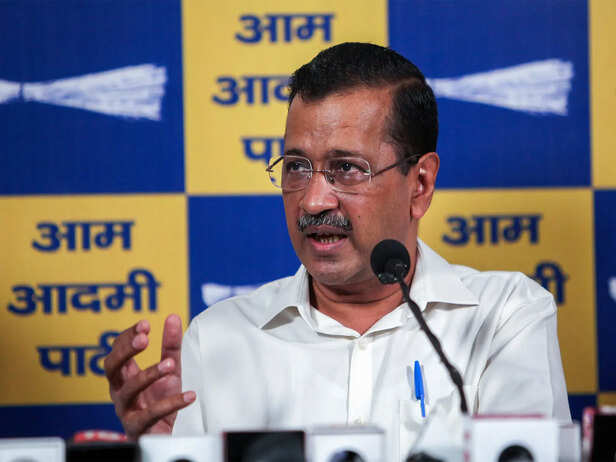
Every time petrol and diesel prices rise, millions of Indians feel the pressure instantly. From auto drivers to office workers, from delivery boys to middle-class families, everyone ends up paying more. This time, the debate exploded after Arvind Kejriwal publicly questioned Prime Minister Narendra Modi over why India is not buying cheaper oil from Russia and Iran. Within minutes, the BJP hit back strongly. But behind this political fight lies a much bigger story that directly affects every Indian wallet. Is cheap oil really available? If yes, why are fuel prices still rising? The answers are more complicated and surprising than most people think.
Kejriwal’s Question That Triggered A Storm
Arvind Kejriwal directly questioned Prime Minister Narendra Modi after fuel prices increased again within days. He asked why India is not purchasing cheaper oil and gas from Russia and Iran when inflation is already hurting ordinary citizens. His message immediately caught public attention because rising petrol prices affect almost every household. Food delivery costs rise, transport becomes expensive, and daily budgets collapse slowly. Kejriwal’s statement connected with frustrated citizens who are already struggling with inflation. By asking what the government’s “compulsions” are, he transformed a fuel price issue into a political and emotional national debate almost instantly.
BJP’s Fast Counter Changed The Narrative
BJP leader Amit Malviya responded quickly and strongly to Kejriwal’s accusation. According to him, India is already the largest buyer of Russian oil, importing nearly 2.3 million barrels per day. He argued that the real reason behind rising fuel prices is the global oil crisis caused by war tensions and the Hormuz Strait conflict. Malviya also claimed that India remained one of the few countries where governments tried to control fuel prices despite international pressure. His response shifted the debate from politics to global economics. Suddenly, the issue was no longer simple. It became connected to worldwide instability and energy security.
Why Global Wars Affect Your Petrol Bill
Many people wonder why fuel prices rise even when India buys discounted oil from Russia. The answer lies in global crude markets. Oil prices are influenced by wars, shipping risks, supply shortages, and international trade tensions. When conflict grows near important oil routes like the Hormuz Strait, fear spreads across global markets immediately. Insurance costs rise, transportation becomes risky, and crude prices increase worldwide. Even countries buying cheaper oil cannot completely escape this pressure. Experts say fuel pricing is not decided by one country alone. It depends on multiple global factors that keep changing rapidly during international crises.
The Hidden Cost That Few People Notice
One part of the fuel debate that many people ignore is taxation. Amit Malviya pointed out that VAT imposed by state governments also affects petrol and diesel prices at pumps. This means the price consumers pay is not based only on crude oil imports. Central taxes, state taxes, transportation, and refining costs all combine together. In some states, higher VAT increases fuel costs further. That is why petrol prices sometimes vary between cities and states. While political parties blame each other publicly, ordinary citizens continue paying the final price without fully understanding how many different layers influence fuel costs daily.
Why This Debate Matters To Every Indian
Fuel prices are not just about cars and bikes anymore. Almost everything in daily life depends on transportation. When diesel becomes expensive, the cost of vegetables, groceries, medicines, and online deliveries also increases. This creates silent pressure on middle-class and lower-income families. That is why fuel price debates become emotional and political very quickly in India. People want clear answers because inflation touches every corner of life. Whether the blame lies in global conflicts, taxation, or political decisions, citizens mainly care about one thing relief. And until fuel prices stabilize, this issue will continue dominating national conversations.
Unlock insightful tips and inspiration on personal growth, productivity, and well-being. Stay motivated and updated with the latest at My Life XP.
Frequently Asked Questions (FAQs)
1. Why did Arvind Kejriwal question the government over oil imports?
Arvind Kejriwal questioned why India is not fully using cheaper oil from Russia and Iran despite rising petrol and diesel prices across the country.
2. Is India already buying oil from Russia?
Yes. According to BJP leader Amit Malviya, India is currently one of the largest buyers of Russian crude oil in the world.
3. Why are petrol and diesel prices still rising?
Fuel prices depend on many factors including global crude oil rates, war tensions, transportation costs, taxes, and currency fluctuations.
4. How do global conflicts affect fuel prices in India?
Wars and tensions near major oil supply routes increase crude oil prices worldwide, which directly impacts petrol and diesel prices in India.
5. What is the Hormuz crisis mentioned in the debate?
The Hormuz Strait is a critical global oil shipping route. Any conflict or threat in that region can disrupt oil supply and increase prices globally.