Political Earthquake: AAP MPs Join BJP What Happened?
Noopur Kumari | Sat, 25 Apr 2026
This political shift is more than numbers it reflects a deeper change in strategy, influence, and internal dynamics. When experienced leaders choose to move together, it signals something beyond individual decisions. It raises questions about leadership, direction, and future stability. For observers, it may look sudden. But such moves are often built quietly over time. The real story is not just who moved but why now. Because in politics, timing is never random it is carefully calculated.

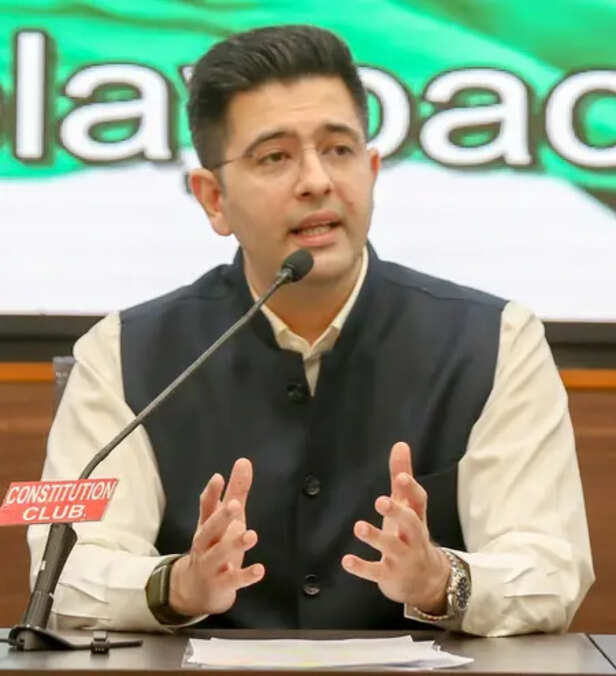
AAP splits in Rajya Sabha; Raghav Chadha, Ashok Mittal and Sandeep Pathak among "two-thirds MPs to merge with BJP"
Image credit : ANI
What if a single decision could shake an entire political landscape? In a move that surprised many, seven Members of Parliament from AAP have decided to join BJP. At first glance, it feels like just another political shift. But look closer and it begins to reveal something deeper. Because this is not just about changing parties. It’s about power, timing, and silent transformations happening behind the scenes. And the real question is what triggered this sudden change?
!['AAP Abandoned': Kejriwal's party faces huge jolt as Raghav Chadha leads out huge swathe of RS members (Night Lead)]()
In politics, loyalty is often tested by opportunity. These MPs were not new faces they were key figures within their party. Yet, something shifted. Whether it was internal disagreements, changing priorities, or future ambitions, the decision reflects a deeper evaluation. Leaders constantly assess where they can create more impact. And sometimes, that means stepping away from familiar ground. This moment highlights a truth politics is not static. It evolves with people, power, and possibilities that are not always visible to the public eye.
![Swati Maliwal, Harbhajan Singh, Ashok Mittal among AAP RS MPs switching sides to BJP, claims Raghav]()
One leader switching sides can be dismissed as personal choice. But when seven move together, it tells a different story. This is not coincidence it is coordination. Collective decisions carry weight because they signal shared concerns or shared vision. It creates a ripple effect, influencing perception and momentum. Such moves can reshape narratives overnight. It also reflects trust among the individuals making that shift. Because in politics, moving together reduces risk and increases impact in ways a single decision cannot.
Every political change affects balance, even if it seems small. Seven MPs may not look like a massive number, but in a structured system, it can shift equations. It impacts alliances, strategies, and future decisions. Parties constantly adjust based on such movements. For voters, it raises questions about representation and direction. For leaders, it becomes a moment to reassess strength. Because politics is not just about elections it is about maintaining influence, and every shift adds a new layer to that ongoing game.
What appears sudden is often carefully planned. Political decisions rarely happen overnight. Conversations, negotiations, and calculations happen quietly before any announcement. This move likely followed the same path. Leaders evaluate risks, benefits, and long-term positioning. They consider public perception and future opportunities. The timing also matters when a move creates maximum impact. This is where strategy becomes invisible but powerful. Because what we see is the result not the process that led to it.
The real story begins after the move. Joining a new party brings both opportunity and challenge. Leaders must adapt, prove their value, and align with new expectations. For the party receiving them, it’s about integration and strategy. For the one losing them, it’s a moment of reflection. Such transitions often shape future political narratives. They influence upcoming decisions and public perception. Because in politics, no move is final it simply sets the stage for what comes next.
Unlock insightful tips and inspiration on personal growth, productivity, and well-being. Stay motivated and updated with the latest at My Life XP.
Q1. Why did 7 AAP MPs join BJP?
The official reason hasn’t been clearly stated in full detail. Such political moves are usually influenced by internal differences, ideological shifts, leadership dynamics, or future political opportunities.
Q2. Is this merger officially confirmed?
According to the statement made, the MPs have announced their decision, but formal parliamentary and procedural confirmations typically follow.
Q3. Does this affect AAP’s strength in Rajya Sabha?
Yes, losing multiple MPs can impact AAP’s representation and influence in the Rajya Sabha, especially in key discussions and votes.
Q4. What does “two-thirds merger rule” mean?
As per constitutional provisions, if two-thirds of a party’s MPs agree to merge with another party, it is not treated as defection.
Q5. Which MPs are involved in this move?
The names include Raghav Chadha, Sandeep Pathak, Harbhajan Singh, Ashok Mittal, Rajinder Gupta, Vikram Sahney, and Swati Maliwal
When Loyalty Meets Opportunity

'AAP Abandoned': Kejriwal's party faces huge jolt as Raghav Chadha leads out huge swathe of RS members (Night Lead)
Image credit : IANS
In politics, loyalty is often tested by opportunity. These MPs were not new faces they were key figures within their party. Yet, something shifted. Whether it was internal disagreements, changing priorities, or future ambitions, the decision reflects a deeper evaluation. Leaders constantly assess where they can create more impact. And sometimes, that means stepping away from familiar ground. This moment highlights a truth politics is not static. It evolves with people, power, and possibilities that are not always visible to the public eye.
The Power of Collective Decisions
Swati Maliwal, Harbhajan Singh, Ashok Mittal among AAP RS MPs switching sides to BJP, claims Raghav
Image credit : IANS
One leader switching sides can be dismissed as personal choice. But when seven move together, it tells a different story. This is not coincidence it is coordination. Collective decisions carry weight because they signal shared concerns or shared vision. It creates a ripple effect, influencing perception and momentum. Such moves can reshape narratives overnight. It also reflects trust among the individuals making that shift. Because in politics, moving together reduces risk and increases impact in ways a single decision cannot.
What This Means for Political Balance
The Hidden Strategy Behind the Move
What Comes Next?
Unlock insightful tips and inspiration on personal growth, productivity, and well-being. Stay motivated and updated with the latest at My Life XP.
Frequently Asked Questions (FAQs)
The official reason hasn’t been clearly stated in full detail. Such political moves are usually influenced by internal differences, ideological shifts, leadership dynamics, or future political opportunities.
Q2. Is this merger officially confirmed?
According to the statement made, the MPs have announced their decision, but formal parliamentary and procedural confirmations typically follow.
Q3. Does this affect AAP’s strength in Rajya Sabha?
Yes, losing multiple MPs can impact AAP’s representation and influence in the Rajya Sabha, especially in key discussions and votes.
Q4. What does “two-thirds merger rule” mean?
As per constitutional provisions, if two-thirds of a party’s MPs agree to merge with another party, it is not treated as defection.
Q5. Which MPs are involved in this move?
The names include Raghav Chadha, Sandeep Pathak, Harbhajan Singh, Ashok Mittal, Rajinder Gupta, Vikram Sahney, and Swati Maliwal