
Russia Stops Petrol Exports: Hidden Global Impact
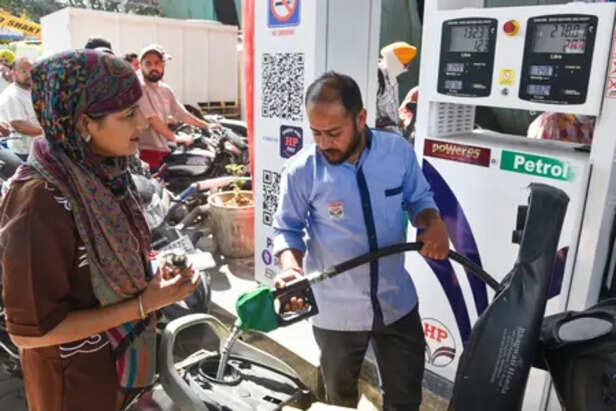
A sudden decision. A ripple felt across continents. Russia’s move to halt petrol exports from April 1 has triggered concern far beyond its borders. On the surface, it seems like a step to control domestic fuel prices. But the reality is far more complex. When a major energy supplier tightens its flow, global markets react instantly. Prices shift, supply chains strain, and uncertainty spreads. Countries dependent on these exports begin to feel the pressure first but no one is completely untouched. Because in today’s interconnected world, one nation’s decision doesn’t stay local it quietly reshapes economies, industries, and everyday life across the globe.
A Decision That Shook Global Markets
Russia’s petrol export ban is not just a policy it’s a signal. A signal that global fuel markets are entering uncertain territory. With exports ranging between 120,000 to 170,000 barrels daily, even a temporary halt creates supply pressure. This decision aims to stabilize domestic prices, but globally, it creates a gap. When supply tightens, prices react. Markets become volatile. Countries dependent on these supplies must now scramble for alternatives. This is how one nation’s internal move turns into an international concern almost overnight.
The Countries That Will Feel the Heat
Not every country will suffer equally. Nations like China, Turkey, Brazil, African countries, and Singapore are among the biggest buyers of Russian petrol. For them, this ban could mean higher costs and urgent sourcing challenges. These countries rely on consistent fuel imports to support industries and transportation. Any disruption forces them to look for new suppliers often at higher prices. This creates pressure not just on governments, but also on everyday consumers who may soon feel the impact at fuel stations.
Is India Really Safe?
Here’s the surprising twist India is largely safe. Why? Because India imports crude oil, not refined petrol, from Russia. This means the ban doesn’t directly hit India’s fuel supply. Indian refineries process crude domestically, giving the country more control. However, indirect effects can’t be ignored. Global price fluctuations may still influence costs. So while India avoids immediate disruption, it remains connected to the larger global market shifts. Safe doesn’t mean untouched it just means better prepared.
The Hidden Reason Behind the Ban
This decision isn’t random. Rising geopolitical tensions, especially in the Middle East, have increased uncertainty in oil markets. Russia wants to ensure stable domestic supply and prevent price spikes within the country. Past disruptions, including attacks on refineries, have also played a role. By limiting exports, Russia is protecting its internal economy first. This reveals a larger truth energy security is becoming a top priority for nations. And in times of uncertainty, countries choose self-preservation over global supply.
What Happens Next?
The coming months will be crucial. Countries affected by this ban will likely turn to alternative suppliers, increasing competition and prices. This could lead to short-term fuel price hikes globally. For consumers, it may mean higher transportation and living costs. For governments, it’s a test of energy strategy. The key lesson? The global fuel system is deeply interconnected. One disruption creates a chain reaction. Watching how markets adjust will reveal who adapts quickly and who struggles.
Unlock insightful tips and inspiration on personal growth, productivity, and well-being. Stay motivated and updated with the latest at My Life XP.
Frequently Asked Questions (FAQs)
1. Why did Russia stop petrol exports from April 1?
Russia paused petrol exports to maintain enough domestic supply and control rising fuel prices within the country. This step helps avoid shortages and keeps local markets stable.
2. How long will the petrol export ban last?
The ban is expected to remain in place from April 1 to July 31, although it could change depending on market conditions and internal supply levels.
3. Which countries will be most affected by this ban?
Countries like China, Turkey, Brazil, several African nations, and Singapore will feel the biggest impact as they rely heavily on Russian refined petrol imports.
4. Will India be affected by Russia’s petrol export ban?
India will face minimal direct impact because it mainly imports crude oil from Russia, not refined petrol. However, global price changes may still have a slight indirect effect.
5. Can global fuel prices increase this decision?
Yes, reduced supply in global markets can lead to price fluctuations or short-term increases, especially in countries dependent on Russian fuel exports.
6. Has Russia imposed such bans before?
Yes, Russia has previously restricted petrol and diesel exports to stabilize domestic prices and manage supply disruptions, especially during geopolitical tensions.