
Same Root, Different Religions: The Story of Abraham’s Legacy
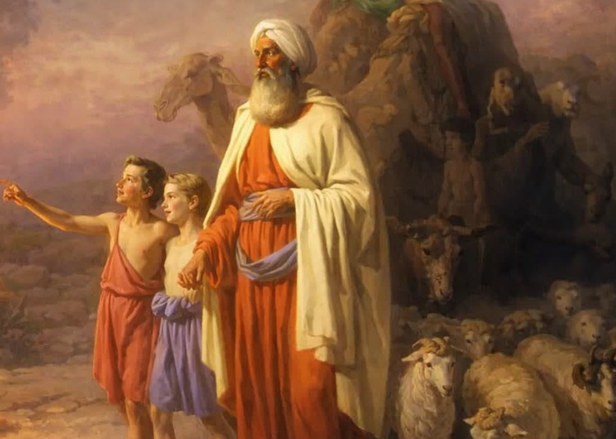
Before religions became identities and beliefs turned into boundaries, there was Abraham( prophet and messenger of God), a man remembered not for building an institution, but for trusting in one God. Revered in Judaism, Christianity, and Islam, Abraham stands at the root of three global faiths. Their differences did not emerge overnight; they unfolded gradually through history, interpretation, and human experience.
1. Abraham: The Birth of Monotheism
Abraham is considered the earliest champion of belief in one God. At a time when idol worship was common, his faith marked a radical spiritual shift. This unwavering belief became the moral and theological foundation upon which all three religions were built.
2. Two Sons, Two Lineages
The divergence begins with Abraham’s sons. Isaac, through whom Judaism traces its lineage, and Ishmael, from whom Islam traces its spiritual ancestry. These two lines shaped distinct religious histories, not as rivals, but as parallel continuations of Abraham’s faith.
3. Judaism
Judaism centers on the covenant between God and Abraham’s descendants through Isaac and Jacob. The emphasis lies on law (Torah), tradition, and collective responsibility. It is less about conversion and more about preserving a sacred heritage.
4. Christianity
Christianity emerged from Judaism with the belief that Jesus Christ was the promised Messiah. While sharing Hebrew scriptures, Christians reinterpreted them through Jesus’ life and teachings, placing faith and salvation at the heart of belief.
5. Islam
Islam views Abraham (Ibrahim) as a pure monotheist and considers Prophet Muhammad the final messenger in the same tradition. The Quran stresses continuity, presenting Islam as a return to Abraham’s original devotion to one God.
One Root, Shared Responsibility
Different Scriptures, Same Source Despite historical divisions, the core values of these faiths belief in one God, justice, compassion, prayer, and charity, remain deeply connected. Remembering Abraham as a shared ancestor reminds us that these religions are not enemies by origin, but spiritual relatives shaped differently by time, culture, and interpretation.