
Step Into 1,600 Years of Faith: The Mystery of Pillayarpatti’s Ganesha
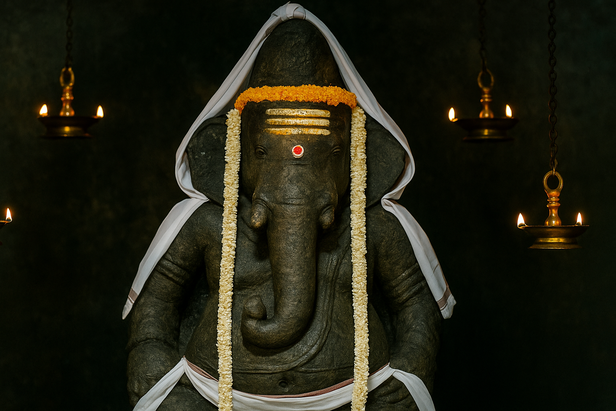
India is a land where history and devotion intertwine, and every temple tells a timeless story. Among these sacred treasures stands the Sri Karpaga Vinayagar Temple in Pillayarpatti, Tamil Nadu, a shrine that houses one of the oldest rock-cut idols of Lord Ganesha, dating back more than 1,600 years. Unlike the familiar four-armed form of Ganesha, this ancient deity appears with only two hands, carved into a cave wall by early Pandya artisans. Revered as the Karpaga Vinayagar the wish-fulfilling Ganesha, this temple is not just a spiritual hub for devotees but also a living monument of India’s rich cultural and architectural heritage.
The Ancient Heritage of Pillayarpatti
Located in Sivaganga district of Tamil Nadu, the Sri Karpaga Vinayagar Temple stands as a living testimony to India’s rock-cut architecture. Historians trace the origins of the temple back to the 4th century CE, during the Pandya dynasty. The temple’s inscriptions in Tamil and Sanskrit not only document its age but also shed light on South India’s deep devotion to Lord Ganesha through centuries.
The Unique Idol of Karpaga Vinayagar
Unlike most depictions of Ganesha with four or more arms, the Karpaga Vinayagar idol is rare and distinctive. The deity here sits in a calm posture with two hands one holding a tusk and the other a sweet (modakam). Carved out of a single rock inside a cave, the idol radiates an aura of simplicity and abundance. The name Karpaga itself means “wish-fulfilling tree,” symbolizing how devotees believe the deity grants prosperity and well-being.
Rituals and Festivals
Daily rituals follow Agamic traditions, with devotees offering coconuts, garlands, and the beloved kozhukattai (sweet dumplings) to Lord Ganesha. The temple comes alive during the Vinayaka Chaturthi festival, attracting thousands of pilgrims. Another significant celebration is the Pillayarpatti Thiruvizha, a ten-day grand festival that blends devotion with cultural traditions of Tamil Nadu.
A Center of Faith and History
Beyond its religious significance, the temple draws historians, archaeologists, and spiritual seekers. The inscriptions on the temple walls, dating from the 7th to the 13th century, provide valuable insights into Tamil history, temple economy, and cultural practices. It remains a rare site where faith and history merge seamlessly.
The Ancient Rock-Cut Ganesha of Pillayarpatti
The Sri Karpaga Vinayagar Temple of Pillayarpatti is not just a place of worship, it’s a timeless symbol of devotion, artistry, and heritage. For over 1,600 years, this rock-cut Ganesha has blessed generations of devotees, reminding us that spirituality, when rooted in simplicity, stands the test of time. Visiting this temple is like stepping into a living history, where the divine continues to inspire with the same grace as it did centuries ago.
Unlock insightful tips and inspiration on personal growth, productivity, and well-being. Stay motivated and updated with the latest at My Life XP