
AI is Powerful - But This Human Skill Wins Every Interview
As AI automates technical tasks, emotional intelligence has become the most valued human skill. This article explores why employers prioritize empathy, self-awareness, and emotional regulation and how these qualities give humans an irreplaceable edge in an AI-driven workplace.
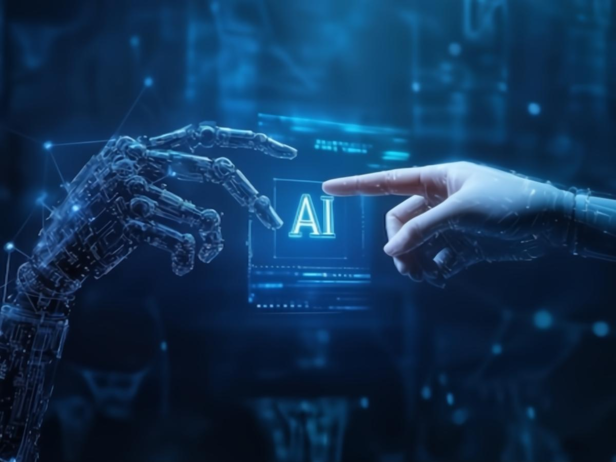
AI
Image credit : Freepik
Every few months, a new headline appears declaring that AI will replace jobs, creativity, or even human judgment. While these claims generate fear, they also miss something fundamental. After observing workplaces, interviews, and hiring trends closely, I’ve realized something important: AI is not replacing humans it’s exposing what only humans can do well. And the one skill employers value more than ever one that AI simply cannot replace is emotional intelligence.
In meetings, emotionally intelligent employees read the room. They know when to speak, when to listen, and when silence is more effective than words. These subtleties aren’t written in job descriptions, but they are often the reason someone gets promoted or let go.
I’ve noticed that during stressful moments tight deadlines, team conflicts, leadership pressure technical brilliance fades into the background. What stands out is composure. Employers trust people who can stay calm without becoming detached, assertive without becoming aggressive.
AI performs best in stable environments. Humans with emotional intelligence perform best in unpredictable ones. And modern workplaces are nothing if not unpredictable.
Hiring managers today talk about “culture fit,” “leadership potential,” and “communication skills” more than ever. These aren’t soft add-ons they are survival tools. An emotionally intelligent employee reduces conflict, improves collaboration, and strengthens trust.
From my perspective, emotional intelligence has become the bridge between intelligence and influence. You can be the smartest person in the room but if people don’t feel safe or understood around you, your impact is limited.
The most future-proof professionals I’ve observed are not the loudest or most technically impressive. They are emotionally grounded, adaptable, and perceptive. They know how to listen under pressure and lead without intimidation. This is not a skill learned overnight but it is a skill learned intentionally. And unlike tools or software, it grows stronger with practice.
The one skill AI can’t replace is the ability to understand, regulate, and connect with human emotion. Employers love it because it makes everything else work better. In a future driven by machines, the most valuable professionals will be deeply human.
Why Skills Alone No Longer Impress
Skills
Image credit : Freepik
Emotional Intelligence: The Human Advantage
Emotional intelligence
Image credit : Freepik
In meetings, emotionally intelligent employees read the room. They know when to speak, when to listen, and when silence is more effective than words. These subtleties aren’t written in job descriptions, but they are often the reason someone gets promoted or let go.
Real Workplaces, Real Consequences
AI performs best in stable environments. Humans with emotional intelligence perform best in unpredictable ones. And modern workplaces are nothing if not unpredictable.
Why Employers Are Actively Seeking This Skill
From my perspective, emotional intelligence has become the bridge between intelligence and influence. You can be the smartest person in the room but if people don’t feel safe or understood around you, your impact is limited.
AI Amplifies This Skill, Not Replaces It
Ai amplifier
Image credit : Freepik