
Why Modi May Soon Remove These Deadwood Ministers
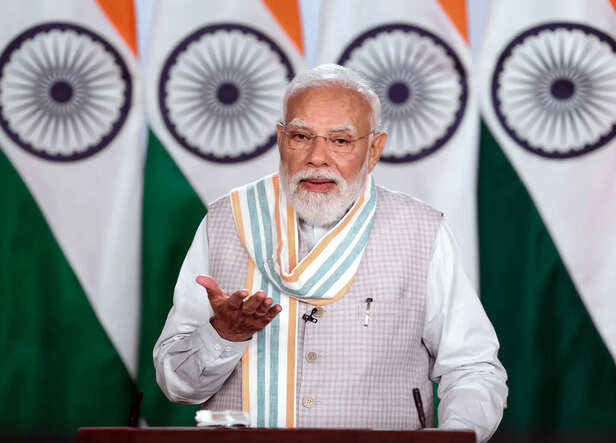
For years, Prime Minister Narendra Modi built an image of speed, discipline, and decisive governance. From infrastructure to global diplomacy, the Modi government projected confidence and control. But now, after more than a decade in power, a different conversation is slowly growing louder inside political circles has the government started looking tired? Recent controversies like the NEET paper leak, confusion around CBSE results, rising pressure on businesses, and concerns over governance quality have sparked questions many people were hesitant to ask earlier. Is the cabinet still driven by performance, or has loyalty become more important than competence? India is entering a dangerous phase of global uncertainty, artificial intelligence disruption, and economic competition. This is not the time for slow governance or weak leadership. Many believe the country now needs fresh ideas, sharper minds, stronger accountability, and ministers who can deliver results instead of headlines.
When Success Starts Becoming Comfort
Winning elections can create confidence. But sometimes, long periods of power can also create comfort zones. That is the fear many political observers are now expressing about the Modi government. While the BJP continues to dominate politically, governance failures are becoming harder to ignore. The biggest danger for any government is not opposition attacks it is becoming too comfortable with its own success. Critics believe some ministers now appear disconnected from public frustration, especially on issues like education, jobs, and inflation. Political victories may hide problems temporarily, but public anger quietly builds when accountability disappears from the system.
The NEET And CBSE Shock Changed Everything
The NEET paper leak controversy and confusion surrounding CBSE evaluation deeply damaged public trust. For millions of students and parents, these exams decide futures, careers, and opportunities. When systems fail at this level, people stop seeing them as “small mistakes.” They begin questioning the competence of the entire administration. Many critics believe the education ministry failed to respond quickly and transparently. What shocked people even more was the absence of visible accountability. In a country where young people are already battling intense competition and unemployment anxiety, education failures hit emotionally harder than almost any other issue.
Why Loyalty Alone Cannot Run A Government
Every government rewards loyalty. But when loyalty becomes more important than capability, systems start slowing down. Critics argue that some ministers survive not because of performance, but because they satisfy political equations like caste, region, or party balance. This may help politically, but governance eventually suffers. India today needs experts who understand artificial intelligence, economic disruption, agriculture reforms, defence modernisation, and global trade wars. Many believe the cabinet needs more specialists, younger leaders, and decision-makers with real execution ability. Running a modern economy requires more than speeches it requires constant innovation and administrative sharpness.
The Fear Businesses Rarely Say Publicly
India’s economy has remained stable compared to many global economies, but business concerns are quietly increasing. One major issue is the fear of aggressive tax scrutiny and policy unpredictability. The phrase “tax terrorism” continues appearing in corporate discussions despite reforms. Experts believe India needs simpler rules, less bureaucracy, and faster decision-making to attract global investors. Businesses do not only want lower taxes they want trust and consistency. When entrepreneurs feel constantly pressured, investment slows down. In a world where countries are aggressively competing for manufacturing and technology investments, India cannot afford administrative fear-driven systems.
Modi’s Biggest Untapped Political Advantage
Narendra Modi remains one of India’s most powerful political leaders with unmatched national influence. But many believe he still underuses one important strength direct political negotiation. Big reforms often fail because opposition parties resist them aggressively. Critics argue that the Prime Minister sometimes leaves difficult political conversations entirely to party managers and ministers. However, opposition leaders may respond differently if Modi personally engages with them. Whether it is farm reforms, tax reform, or one-nation-one-election, India’s biggest structural changes require national consensus. Strong political capital becomes meaningful only when it is used for long-term transformation.
Why India Needs Fresh Faces Before 2029
India is one of the world’s youngest countries, but many people feel its leadership structure still looks outdated. Young Indians are dealing with AI disruption, changing careers, startup pressure, and global competition. They want faster governance, modern thinking, and leaders who understand current realities. Critics say the cabinet needs energetic reformers who can move quickly and communicate clearly. Fresh faces do not automatically guarantee success, but stagnation often guarantees decline. Political systems survive when they renew themselves before public frustration explodes. Waiting too long to replace non-performers can slowly damage even the strongest governments.
How Citizens Can Prevent Governance Decay
Governments improve when citizens stop treating politics like blind fandom. Voters must demand accountability from every party, every minister, and every institution. Instead of only celebrating political victories, people should ask difficult questions about jobs, education, healthcare, reforms, and transparency. Social media discussions should move beyond emotional slogans toward performance-based evaluation. Democracy becomes healthier when leaders know the public is watching carefully. India’s future cannot depend on one individual alone it depends on institutions remaining strong, efficient, and answerable. Real patriotism is not silence. It is demanding better governance for future generations.
Unlock insightful tips and inspiration on personal growth, productivity, and well-being. Stay motivated and updated with the latest at My Life XP.
Frequently Asked Questions (FAQs)
1. Why are people calling for a Modi cabinet reshuffle?
Many political observers believe the government needs fresh energy, stronger accountability, and better-performing ministers. Recent controversies like the NEET paper leak and concerns over governance efficiency have increased demands for change.
2. What does “deadwood” in politics mean?
In political discussions, “deadwood” refers to leaders or ministers who are seen as inactive, ineffective, or no longer contributing meaningfully to governance and reforms.
3. Which ministries are facing the most criticism?
The education sector has faced major criticism after exam-related controversies. Some experts have also raised concerns about taxation policies, reform delays, and administrative efficiency in other departments.
4. Why is accountability important in government?
Accountability builds public trust. When ministers and officials are held responsible for failures, it improves governance quality and ensures systems work more efficiently for citizens.
5. How can fresh faces improve governance?
New leaders often bring updated ideas, modern thinking, faster execution, and stronger communication skills. Younger and expert-driven leadership can help governments adapt to changing economic and technological challenges.