
The Untold History of Puri Jagannath Temple: Ancient Builders, Hidden Legends and Surprising Finds
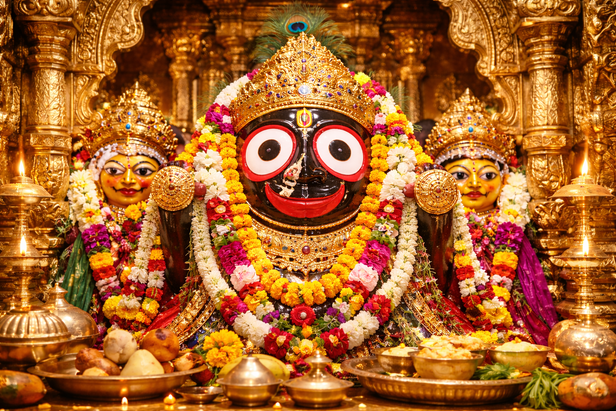
Standing majestically on the shores of the Bay of Bengal, the Jagannath Temple in Puri, Odisha is not only a central pilgrimage destination for millions of Hindus but also an enduring testament to India’s religious heritage. Known for its unique wooden idols, grand Rath Yatra, and centuries of uninterrupted worship, the temple has fascinated historians, devotees, and visitors for generations. From its construction by ancient kings to the many legends and archaeological curiosities, the history of this iconic shrine reveals layers of mystery and devotionc :-
- The Origins: Who Built the Temple?
Scholars widely agree that the present structure of the Jagannath Temple was built in the 12th century CE. The Eastern Ganga Dynasty king Anantavarman Chodaganga Deva is credited with rebuilding the temple, replacing an older shrine that likely existed on the site centuries earlier. Inscriptions and copper plates from his descendants confirm that construction began after 1112 CE and continued into the late 1100s.
Earlier chronicles such as the Madala Panji also refer to legendary kings like Indradyumna a figure from Hindu puranic tradition as the temple’s founder in mythic accounts, though such references mix tradition with spiritual lore.
- Architectural Marvel and Spiritual Significance
Built in classic Kalinga architectural style, the Jagannath Temple towers over the city of Puri and dominates the skyline. The temple complex includes not only the main shrine but also multiple smaller temples and mathas (monastic centers) established by spiritual leaders throughout history, contributing to the site’s rich cultural fabric.
Uniquely, the idols of Jagannath, Balabhadra, and Subhadra are carved from sacred neem wood (Darubrahma) and are ritually replaced during the Nabakalebara ceremony a tradition observed every 8 to 19 years.
- Untold Mysteries and Recent Research
Despite its long history, scholars and devotees have sought to unravel deeper mysteries of the temple. One longstanding legend involves a hidden chamber within the Ratna Bhandar (treasure chamber), believed by many local traditions to house ancient treasures sheltered from invasions. Recent surveys by the Archaeological Survey of India (ASI) using modern techniques have provided clarity, stating there is no proven secret chamber dispelling myth while reinforcing the need for ongoing research.
Other fascinating aspects include the temple’s shadow-less structure and the ritual tradition of daily flag changes performed without modern safety gear features that continue to intrigue visitors and experts alike.
- Rath Yatra and Cultural Legacy
The Rath Yatra (Chariot Festival) remains one of the temple’s most celebrated events, drawing millions of pilgrims from across India and the world. During this festival, the deities are placed on giant chariots and pulled through the streets toward the Gundicha Temple a tradition symbolizing divine journey and community devotion.
Over the centuries, the temple has endured numerous invasions and periods of upheaval, becoming a symbol of resilience for the region. Historical records mention multiple attacks and reconstructions, yet the shrine has survived as a living center of faith.
- When was the Puri Jagannath Temple built?
The present temple was rebuilt in the 12th century by King Anantavarman Chodaganga of the Eastern Ganga Dynasty. - Why are the idols made of wood?
The wooden Darubrahma idols are unique to Jagannath and are renewed in the Nabakalebara ceremony - Does the temple have a hidden chamber?
Legends exist, but modern ASI surveys have found no confirmed secret chamber inside the Ratna Bhandar.