
This One Chalisa Line Changes How You Think
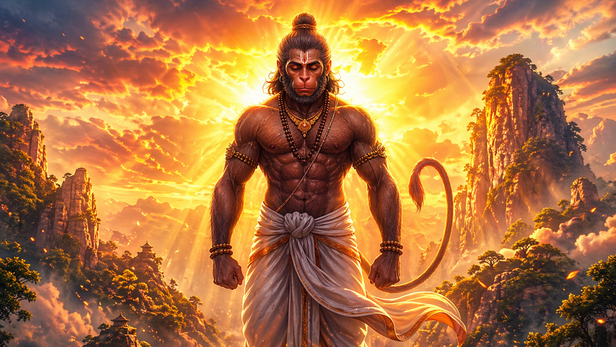
What if strength is not something you build outside but something you awaken inside? The phrase often associated with Hanuman devotion and the idea of “Sankat Mochan” is not just about removing problems magically. It carries a deeper meaning one that connects mind, action, and belief. It suggests that when a person fully aligns thought, effort, and faith, something shifts within them. And that shift changes how they face life itself.
What Sankat Mochan Really Means
Sankat Mochan” is often understood as “remover of troubles,” but its deeper meaning is psychological and spiritual. It reflects the idea of breaking inner chains like fear, confusion, and weakness. When the mind becomes steady through devotion or focus, problems do not disappear instantly but the ability to handle them increases. This shift in perception is powerful. Instead of feeling helpless, a person begins to respond with clarity. That is where real transformation begins not outside, but within the mind itself.
The Story of Tulsi Das and Faith
Stories of saints like Tulsi Das are often shared to highlight faith over fear. He is believed to have faced extreme challenges but remained rooted in devotion. Instead of reacting with panic, he relied on spiritual strength and inner belief. This calmness in adversity is what made his story powerful. It shows that faith is not passive it is active mental strength. When belief becomes deep, external pressure loses control over the mind. This is where courage begins to grow naturally.
Inner Strength vs External Problems
Most people believe problems are solved only by external changes. But spiritual teachings suggest otherwise. When inner strength increases, the same problems feel smaller. It is not the situation that changes first it is the perception. Fear reduces, patience increases, and decisions become clearer. This shift allows better handling of life’s challenges. Instead of feeling trapped, a person starts feeling capable. That is the real transformation where the mind stops reacting blindly and starts responding wisely.
How Faith Changes Human Behavior
Faith, when deeply felt, influences behavior in subtle but powerful ways. It reduces anxiety, increases focus, and builds emotional stability. A person becomes less reactive and more thoughtful. This does not mean problems vanish it means the person becomes stronger than the problem. Even scientifically, belief systems can affect stress levels and decision-making. That is why devotion is often linked to mental peace. It creates a foundation where fear slowly loses control over daily life choices.
Unlock insightful tips and inspiration on personal growth, productivity, and well-being. Stay motivated and updated with the latest at My Life XP.
Frequently Asked Questions (FAQs)
Q1. What is the deeper meaning behind this Chalisa line?
It suggests that “Sankat Mochan” is not about instant miracles, but about inner transformation—calming the mind, reducing fear, and strengthening clarity through devotion.
Q2. Does it mean problems disappear magically?
No. The idea is not about sudden external change, but about how a person becomes mentally stronger to handle difficulties.
Q3. Why is devotion linked with inner strength?
Because focused devotion helps reduce stress, improves emotional balance, and builds a stable mindset during challenges
Q4. Is this concept only religious?
It has spiritual roots, but it also connects with psychology—belief systems often influence confidence and decision-making.
Q5. What is the core message of this teaching?
True strength comes from within. When mind, faith, and action align, even big problems feel more manageable.