
Was Pushpak Viman A Myth? Ramayana Reveals Something Darker
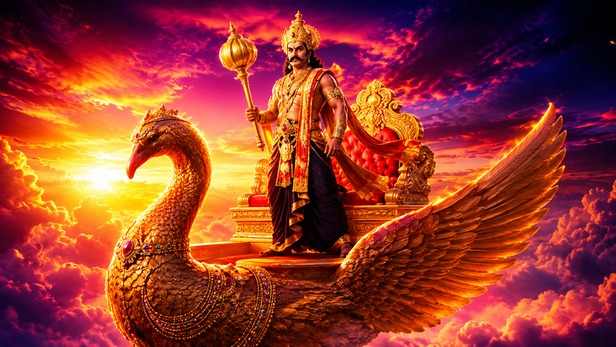
For years, television serials and popular retellings have shown Ravana abducting Sita in the famous Pushpak Viman. Many people accepted that image as truth without questioning it. But when you open the original Ramayana and carefully read the Aranya Kand, a very different and disturbing reality appears. The truth is far darker, symbolic, and emotionally powerful than what most adaptations show on screen. According to the scriptures, Ravana did not arrive in a divine flying aircraft during Sita Haran. Instead, he used a terrifying golden chariot pulled by demonic donkeys.
The Version Most People Grew Up Watching
For decades, television serials and animated retellings presented one dramatic image repeatedly Ravana flying away with Sita in the Pushpak Viman. The scene became so popular that most people never questioned whether it truly appeared in Valmiki Ramayana. Over time, cinematic storytelling slowly replaced scriptural accuracy in public memory. But ancient texts often contain deeper symbolism than visual adaptations can show. Scholars point out that many details from Aranya Kand were simplified or altered for dramatic effect. And one of the biggest changes involved the vehicle Ravana actually used during the abduction of Sita.
The Golden Chariot Hidden In Aranya Kand
According to descriptions in Aranya Kand, Ravana arrived in a “tapt kanchan rath,” meaning a blazing golden chariot. It was not described as the divine Pushpak Viman during the abduction scene. Even more surprising, the chariot was reportedly pulled by terrifying donkey-like creatures connected with demonic symbolism. Ancient interpretations associate donkeys with tamas darkness, ignorance, and destructive energy. Spiritual scholars believe this symbolism mattered deeply because Ravana was committing an act against dharma. The vehicle itself reflected the moral downfall of the king of Lanka. It was not a glorious arrival, but a dark journey driven by ego and desire.
Why The Donkeys Matter Spiritually
Many readers ignore the strange detail about the donkeys, but spiritual interpreters say it reveals the true nature of Ravana’s mindset during Sita Haran. In Hindu symbolism, animals often reflect inner qualities. Horses usually represent power, control, and nobility. Donkeys, however, are linked with tamasic energy stubbornness, ignorance, darkness, and uncontrolled desire. Ravana, despite being a brilliant scholar and powerful ruler, was blinded by ego in that moment. His vehicle symbolised his spiritual fall. The Ramayana repeatedly shows that intelligence without dharma becomes destructive. Ravana’s chariot quietly revealed that truth even before his final downfall began.
Jatayu’s Attack Changed Everything
When Jatayu saw Sita being abducted, the elderly warrior bird immediately attacked Ravana despite knowing the danger. The battle became one of the most emotional moments in the Ramayana. Scriptures describe Jatayu striking Ravana’s chariot with such force that the demonic animals pulling it were destroyed. The golden chariot itself collapsed, forcing Ravana to descend to the ground while carrying Sita physically. During this terrifying struggle, Sita dropped her ornaments below as clues for Rama. Nature itself seemed to mourn as Ravana fled desperately toward Lanka after embracing his own destruction.
The Difference Between TV Drama And Scripture
The Ramayana is not just a story of war between Rama and Ravana. It is also a spiritual text filled with symbolism, psychology, and hidden lessons. Television adaptations often focus on visual grandeur, while scriptures focus on moral meaning. The Pushpak Viman became iconic because it looked majestic on screen, but the original descriptions in Aranya Kand paint a far darker picture of Ravana’s actions. That difference matters because it changes how we understand the scene emotionally and spiritually. Ravana was not shown as glorious during Sita Haran. The scripture presented him as a king already walking toward destruction.
The Original Ramayana Actually Describes
The story of Sita Haran becomes even more powerful when seen through the lens of the original Ramayana. Ravana was not flying proudly in a divine aircraft during the abduction. Instead, the scripture describes a dark symbolic journey driven by arrogance, desire, and adharma. And perhaps that is why the scene still feels so emotional centuries later. Because despite his power, knowledge, and kingdom, Ravana’s downfall truly began the moment he abandoned dharma. The vehicle he chose was not just transportation — it was a reflection of the darkness already consuming him from within.
Unlock insightful tips and inspiration on personal growth, productivity, and well-being. Stay motivated and updated with the latest at My Life XP.
Frequently Asked Questions (FAQs)
1. Did Ravana really abduct Sita in the Pushpak Viman?
According to many interpretations of Valmiki Ramayana, Ravana did not use the Pushpak Viman during the abduction of Sita. The text in Aranya Kand describes a golden chariot pulled by demonic donkey-like creatures.
2. What vehicle did Ravana use during Sita Haran?
Scriptures mention a “tapt kanchan rath,” meaning a blazing golden chariot. It was described as moving with extraordinary speed and was associated with dark symbolic imagery.
3. Why were donkeys attached to Ravana’s chariot?
Spiritual interpretations link donkeys with tamasic qualities like darkness, ignorance, arrogance, and uncontrolled desire. Scholars believe the symbolism reflected the adharmic nature of Ravana’s actions during Sita Haran.
4. What happened when Jatayu attacked Ravana?
Jatayu bravely fought Ravana to stop the abduction of Sita. According to the Ramayana, Jatayu damaged Ravana’s chariot and killed the demonic animals pulling it before being fatally wounded himself.
5. Did Sita drop her jewellery during the abduction?
Yes. Scriptures describe Sita dropping her ornaments while Ravana carried her away so that Rama and Lakshmana could later trace her path.