
What 8 Surprising Lessons Can We Learn From Ravana About Leadership?
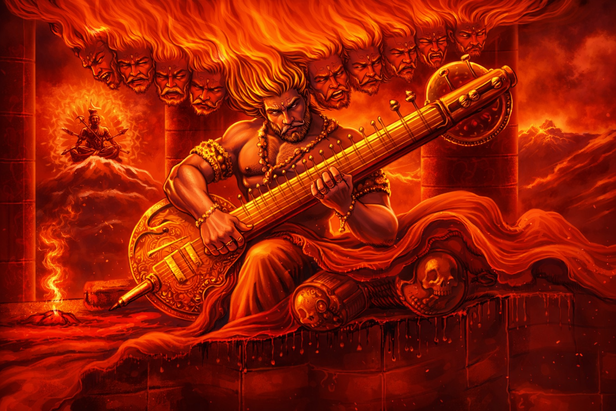
Most people see Ravana as the villain of the epic Ramayana. But history and mythology often hide deeper lessons beneath powerful characters. Ravana was not just a warrior. He was a brilliant scholar, a skilled strategist, and the powerful king of Lanka. Yet despite his intelligence and strength, his leadership ultimately led to his downfall. Why? Because leadership is not only about power. It is about wisdom, humility, and control over one’s ego. If we look closely, Ravana’s story reveals surprising leadership lessons that are still relevant today.
Intelligence Alone Is Not Enough
Ravana was known for his extraordinary intelligence and deep knowledge of scriptures. He was a master of many fields, including politics, warfare, and spirituality. However, intelligence alone does not guarantee good leadership. Ravana’s decisions were often influenced by pride rather than wisdom. A true leader balances knowledge with humility and ethical judgment. Modern leaders can learn that expertise must be supported by self-control and responsibility.
Ego Can Destroy Great Leaders
One of Ravana’s biggest weaknesses was his ego. Despite being warned by wise advisors, he refused to change his decision after abducting Sita. Pride made him ignore the consequences of his actions. Many leaders today face similar challenges when ego prevents them from admitting mistakes. Strong leadership requires the ability to listen, accept criticism, and change direction when necessary.
Ignoring Good Advice Is Dangerous
Ravana had wise counselors, including his brother Vibhishana, who advised him to return Sita and avoid conflict with Rama. But Ravana ignored this advice due to arrogance. Good leaders surround themselves with intelligent advisors and value their perspectives. Ignoring wise counsel can lead to decisions that damage both leaders and their organizations.
Power Requires Responsibility
As the king of Lanka, Ravana held immense power and influence. However, leadership is not about personal desires; it is about protecting and guiding people responsibly. Ravana allowed personal emotions and ambition to influence his decisions. Effective leaders understand that their choices affect many lives. Responsible leadership means prioritizing the well-being of others over personal pride.
Emotional Control Is Essential
Many of Ravana’s actions were driven by anger, desire, and revenge. Emotional decisions often lead to long-term consequences. Leaders must remain calm and thoughtful, even in difficult situations. Emotional control allows leaders to think clearly, analyze problems carefully, and make balanced decisions. Ravana’s story reminds us that mastering emotions is one of the most important leadership skills.
Strength Must Be Balanced With Ethics
Ravana was incredibly powerful and nearly undefeatable in battle. However, strength without ethical boundaries can lead to destruction. Leadership requires moral responsibility and respect for justice. Even powerful leaders lose respect when they misuse authority. Ravana’s story shows that strength must always be guided by ethical values.
The Turning Point
Ravana’s story is not just about a villain. It is about leadership, power, and the consequences of human weaknesses. He was intelligent, strong, and capable, yet his ego and emotional decisions overshadowed his wisdom. His rise shows the power of ambition and knowledge. His fall reveals the dangers of pride and uncontrolled power. For modern leaders, Ravana’s story offers a powerful reminder: True leadership is not defined by strength or intelligence alone. It is defined by humility, responsibility, and the wisdom to make the right choices when it matters most.
Unlock insightful tips and inspiration on personal growth, productivity, and well-being. Stay motivated and updated with the latest at My Life XP.
Frequently Asked Questions (FAQs)
1. Who was Ravana in the epic Ramayana?
Ravana was the powerful king of Lanka and one of the central characters in the Ramayana. He was known for his great knowledge, strength, and devotion to Lord Shiva. However, his pride and decisions eventually led to conflict with Rama.
2. Why is Ravana often considered a complex leader?
Ravana was not simply a villain. He was a brilliant scholar, a skilled ruler, and a powerful warrior. His story shows that leadership can include both strengths and weaknesses. His intelligence made him great, but his ego caused his downfall.
3. What leadership mistake did Ravana make?
One major mistake was allowing his ego and emotions to control his decisions. When he abducted Sita, he ignored wise advice from people like Vibhishana, which ultimately led to a devastating war.
4. What positive leadership traits did Ravana have?
Ravana possessed strong qualities such as intelligence, strategic thinking, courage, and deep knowledge of scriptures. These traits helped him build a powerful kingdom and gain respect as a ruler.
5. Why is Ravana’s story still relevant today?
Ravana’s story teaches important lessons about leadership, ego, decision-making, and responsibility. Modern leaders can learn that power and knowledge must always be balanced with humility and ethics.
6. What is the biggest lesson leaders can learn from Ravana?
The biggest lesson is that ego and arrogance can destroy even the most powerful leaders. Listening to wise advice and staying humble are essential for long-term success.