
What Happens When You Light a Diya Every Evening for 21 Days
Lighting a diya every evening for 21 days may seem like a simple ritual, but its impact goes far beyond tradition. This article explores how this quiet daily practice influences the mind, emotions, and home environment over time. Blending ancient wisdom with modern psychological insight, it reveals why consistency, intention, and stillness play a powerful role in creating calm, balance, and emotional clarity in everyday life.
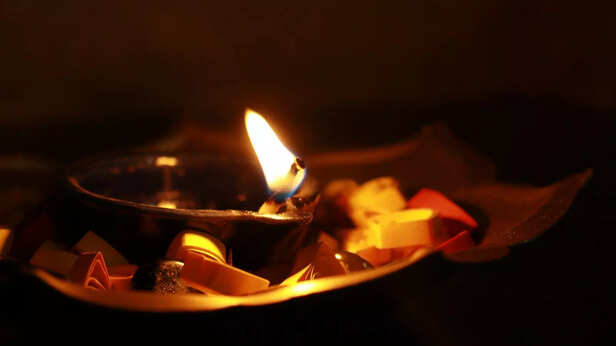
Diya
Image credit : Unsplash
In many Indian homes, lighting a diya in the evening is such a quiet, ordinary act that it often goes unnoticed. No announcements. No elaborate rituals. Just a small flame placed near the doorway, the window, or the family altar. Yet this simple act has survived centuries, passed down not because it looks beautiful, but because people felt something shift when they did it regularly.
What happens if you light a diya every evening for 21 days? Not once in a while. Not only on festivals. But daily, at the same time, with intention. The answer lies somewhere between tradition, psychology, and lived human experience.
Evenings are a strange in between time. The body is tired, the mind is still racing, and the day hasn’t fully ended. Lighting a diya at this hour creates a natural pause. For a few moments, you stop scrolling, stop talking, stop planning. You simply watch the flame.
That pause matters more than we realize. Ancient Indian practices placed great importance on sandhya, the transition between day and night. Modern psychology would call this a grounding ritual. Over 21 days, the mind begins to associate the diya with calm. Stress doesn’t disappear, but it loosens its grip.
Many people report that after a couple of weeks, the act itself starts feeling comforting, almost like telling the mind, “The day is done. You can rest now.”
The number 21 appears repeatedly in habit-forming practices, both ancient and modern. It is believed to be the time required for the mind to adapt to a new pattern. When you light a diya daily for 21 days, you are not performing a miracle, you are creating rhythm.
The body begins to expect that moment of stillness. The mind slowly resists it less. What felt like an effort on day one becomes automatic by day fifteen. By day twenty one, it feels incomplete to skip it.
This is not superstition. It is repetition shaping awareness.
Over 21 days, this small daily reset can subtly change emotional responses. People often notice they react less sharply to minor irritations in the evening. Conversations feel softer. Even silence feels less uncomfortable.
You may not suddenly become peaceful, but you may find yourself less agitated without knowing exactly why.
Many households believe lighting a diya “purifies” the space. Whether one sees this spiritually or psychologically, there is a noticeable effect. When one corner of the home is consistently treated with care and intention, it starts feeling different.
It becomes a place where arguments are avoided, where voices naturally lower, where you hesitate before carrying stress inside. Over time, the diya becomes a reminder that the home is not just a physical space, but an emotional one.
Visitors may not comment on it, but you will feel it.
This creates a form of self-trust. You begin to see that showing up in small ways is possible, even on difficult days. That quiet consistency often spills into other areas, eating better in the evening, sleeping on time, reducing unnecessary noise.
Discipline stops feeling like control and starts feeling like care.
You don’t need mantras or elaborate prayers. For many, the diya becomes a moment of honest conversation, sometimes with God, sometimes with oneself. Gratitude, frustration, hope, exhaustion, all are silently placed before the flame.
Over 21 days, this creates emotional release. Thoughts that were suppressed during the day finally get a space to exist without judgment. This is one reason the practice feels cleansing, even without belief.
It is less about religion, and more about acknowledgment.
And perhaps the most meaningful change is this: you start realizing that peace does not arrive through big events, but through small, repeated acts of attention.
A diya does not chase away darkness aggressively. It simply stands its ground and shines.
Sometimes, that is enough.
Unlock insightful tips and inspiration on personal growth, productivity, and well-being. Stay motivated and updated with the latest at My Life XP.
What happens if you light a diya every evening for 21 days? Not once in a while. Not only on festivals. But daily, at the same time, with intention. The answer lies somewhere between tradition, psychology, and lived human experience.
The Evening Pause Your Mind Has Been Waiting For
That pause matters more than we realize. Ancient Indian practices placed great importance on sandhya, the transition between day and night. Modern psychology would call this a grounding ritual. Over 21 days, the mind begins to associate the diya with calm. Stress doesn’t disappear, but it loosens its grip.
Many people report that after a couple of weeks, the act itself starts feeling comforting, almost like telling the mind, “The day is done. You can rest now.”
Why 21 Days Makes a Difference
The body begins to expect that moment of stillness. The mind slowly resists it less. What felt like an effort on day one becomes automatic by day fifteen. By day twenty one, it feels incomplete to skip it.
This is not superstition. It is repetition shaping awareness.
A Subtle Shift in Emotional Energy
Worshipping
Image credit : Unsplash
Over 21 days, this small daily reset can subtly change emotional responses. People often notice they react less sharply to minor irritations in the evening. Conversations feel softer. Even silence feels less uncomfortable.
You may not suddenly become peaceful, but you may find yourself less agitated without knowing exactly why.
The Home Begins to Feel Different
It becomes a place where arguments are avoided, where voices naturally lower, where you hesitate before carrying stress inside. Over time, the diya becomes a reminder that the home is not just a physical space, but an emotional one.
Visitors may not comment on it, but you will feel it.
Discipline Without Pressure
Diya
Image credit : Freepik
This creates a form of self-trust. You begin to see that showing up in small ways is possible, even on difficult days. That quiet consistency often spills into other areas, eating better in the evening, sleeping on time, reducing unnecessary noise.
Discipline stops feeling like control and starts feeling like care.
A Personal Conversation With the Sacred
Over 21 days, this creates emotional release. Thoughts that were suppressed during the day finally get a space to exist without judgment. This is one reason the practice feels cleansing, even without belief.
It is less about religion, and more about acknowledgment.
What You Might Notice by Day Twenty One
Worship diya
Image credit : Unsplash
And perhaps the most meaningful change is this: you start realizing that peace does not arrive through big events, but through small, repeated acts of attention.
A diya does not chase away darkness aggressively. It simply stands its ground and shines.
Sometimes, that is enough.
Unlock insightful tips and inspiration on personal growth, productivity, and well-being. Stay motivated and updated with the latest at My Life XP.