
What PM Modi Discussed Behind Closed Doors Will Surprise You
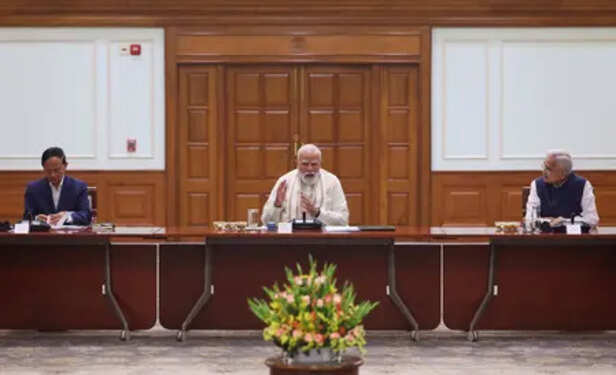
While many economies are struggling with slowing growth, rising geopolitical tensions, and uncertain markets, India continues to stand out. Prime Minister Narendra Modi's recent meeting with the Economic Advisory Council wasn't just another policy discussion it was a deep dive into how India can maintain its growth momentum even as global challenges intensify. The conversation focused on protecting the economy from international shocks while accelerating reforms that directly impact businesses, workers, and households. The bigger question is: what exactly is India's strategy, and can it keep delivering results when the world around it remains unpredictable?
A High-Level Meeting With Bigger Goals
The meeting between Prime Minister Narendra Modi and members of the Economic Advisory Council was centered on one critical objective keeping India's economy strong despite growing international challenges. Experts discussed new ideas to strengthen economic growth while making everyday life easier for citizens and businesses. The focus wasn't only on short-term solutions but also on creating a framework that supports sustainable development. With global markets facing uncertainty, the discussions reflected the government's determination to stay proactive rather than reactive, ensuring India remains prepared for economic disruptions before they become major obstacles.
Why Global Turmoil Is Becoming India's Biggest Test
The conflict in West Asia has become a major concern for governments around the world, including India. Rising tensions threaten global trade routes, increase energy costs, and create uncertainty for investors. Since India imports a large portion of its energy requirements, any significant rise in crude oil prices can impact businesses and consumers alike. Policymakers are carefully monitoring these developments because prolonged instability could influence inflation, industrial production, and consumer spending. The challenge is not simply managing today's risks but preparing for long-term economic consequences if global tensions continue to escalate.
The Growth Numbers That Are Turning Heads
Despite concerns about the global economy, India's recent growth figures have provided a strong reason for optimism. The government highlighted GDP growth rates that demonstrate the economy's resilience and ability to expand even during uncertain times. These numbers are being viewed as evidence that structural reforms, infrastructure investments, and strong domestic demand are helping the country outperform many major economies. While growth alone does not solve every challenge, it creates a stronger foundation for job creation, investment, and business expansion, making it one of India's most valuable economic advantages today.
The Hidden Focus on Ease of Living
One of the most important aspects of the discussions involved improving "Ease of Living." While economic growth often grabs headlines, governments increasingly recognize that citizens judge success through their daily experiences. Simplified services, faster access to benefits, better infrastructure, and reduced bureaucratic hurdles can directly improve quality of life. These reforms may seem small individually, but together they create meaningful change. By making systems more efficient and accessible, policymakers hope to ensure that economic growth translates into tangible benefits for ordinary families rather than remaining only a statistical achievement.
The Business Reforms That Could Unlock Investment
Another major priority discussed during the meeting was improving the business environment. Investors seek stability, transparency, and efficient regulations before committing capital. By reducing unnecessary barriers and simplifying procedures, India aims to attract both domestic and international investments. These reforms are especially important for manufacturing, startups, and small businesses that drive employment generation. As competition for global investment intensifies, policymakers believe that creating a more business-friendly ecosystem will strengthen India's position as a preferred destination for companies looking to expand their operations.
What The West Asia Conflict Means for India
The Economic Advisory Council also assessed how ongoing tensions in West Asia could affect India. Beyond energy prices, experts examined potential disruptions to trade networks, agriculture, manufacturing, and MSMEs. A prolonged conflict could create ripple effects across multiple sectors of the economy. This is why government agencies are conducting impact assessments and preparing contingency strategies. The objective is clear: reduce vulnerability to external shocks while ensuring critical industries continue functioning smoothly. Economic resilience today requires planning not just for growth, but also for unexpected disruptions.
The Long-Term Blueprint Behind The Strategy
Perhaps the most significant takeaway from the meeting is that India is focusing on long-term resilience rather than short-term fixes. The government's strategy combines infrastructure development, manufacturing growth, investment promotion, and governance reforms. At the same time, there is a strong emphasis on creating opportunities for young people entering the workforce. This balanced approach seeks to build an economy that can withstand global shocks while continuing to generate jobs and innovation. Success will depend on execution, but the direction is increasingly centered on sustainable growth rather than temporary gains.
Unlock insightful tips and inspiration on personal growth, productivity, and well-being. Stay motivated and updated with the latest at My Life XP.
Frequently Asked Questions (FAQs)
1. Why did PM Modi meet the Economic Advisory Council?
PM Modi met the Economic Advisory Council to discuss strategies that can help India maintain strong economic growth despite global uncertainties. The discussions focused on reforms, investment, business growth, and protecting the economy from external shocks.
2. What were the key issues discussed during the meeting?
The meeting covered economic growth, ease of living, ease of doing business, investment opportunities, manufacturing expansion, infrastructure development, and the impact of the West Asia conflict on India's economy.
3. Why is the West Asia conflict important for India?
India imports a large share of its energy needs from the region. Any prolonged conflict can lead to higher crude oil prices, disruptions in trade routes, increased inflation, and economic uncertainty.
4. How is India performing economically despite global challenges?
India remains one of the fastest-growing major economies in the world. Strong domestic demand, infrastructure investments, policy reforms, and manufacturing growth have helped support economic expansion.
5. What does "Ease of Living" mean?
Ease of Living refers to reforms that make daily life simpler for citizens, such as improved public services, better infrastructure, faster government processes, and easier access to essential services.