
What Shiva Says Before A Soul Leaves The Body
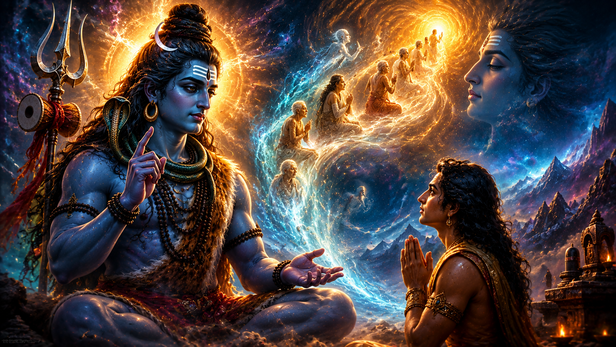
For centuries, people across India have believed that dying in Kashi is not an ordinary death but a direct path to liberation. It is said that in the final moments of life, when the soul struggles between fear and freedom, Lord Shiva himself appears and whispers the sacred Tarak Mantra into the ears of the dying person. The moment this divine sound reaches the soul, the cycle of birth and death breaks forever. But why is Kashi considered so powerful? And what secret does this ancient city hold that even time and destruction cannot erase?
The City Where Shiva Waits
Kashi is believed to be the only place on Earth where Lord Shiva never leaves. According to ancient scriptures, Shiva himself resides in this holy city to guide souls in their final moments. While most people fear death, Hindu beliefs describe death in Kashi as peaceful and divine. It is said that when someone takes their last breath here, Shiva appears invisibly and whispers the Tarak Mantra into their ears. This sacred sound frees the soul from endless rebirth. That belief alone has drawn saints, sages, and elderly devotees to Kashi for thousands of years.
The Mystery Of The Tarak Mantra
The biggest mystery surrounding Kashi is the Tarak Mantra. Scriptures describe it as a divine sound powerful enough to break the cycle of life and death. What makes this belief extraordinary is that the mantra is not spoken by priests or family members but by Lord Shiva himself. People believe that the soul becomes fearless the moment Shiva’s voice reaches it. Many spiritual texts describe this moment as the soul’s final liberation from suffering. Even today, this belief deeply influences Hindu funeral traditions and explains why countless devotees wish to spend their final days in Kashi.
Why Kashi Never Truly Dies
Hindu mythology says that during Pralay, the great destruction of the universe, mountains collapse and oceans swallow the Earth. Yet Kashi is believed to survive. Ancient stories claim that Lord Shiva lifts the city onto his trident before destruction begins. This belief makes Kashi more than a physical city. Devotees see it as an eternal spiritual space untouched by time itself. Some legends even say Kashi existed before Brahma created the universe. This idea has fascinated devotees for centuries because it transforms Kashi from a sacred place into a timeless doorway between the mortal and divine worlds.
Why People Still Come To Die Here
Even in modern times, thousands of elderly devotees move to Kashi during the final phase of life. For outsiders, this may seem unusual, but for believers it is an act of deep faith. Many stay in spiritual shelters near the ghats, spending their days in prayer, meditation, and devotion to Shiva. They believe dying in Kashi removes fear and grants peace to the soul. Families also find emotional comfort in this belief because it turns death into a spiritual journey rather than a painful ending. That emotional connection keeps this ancient tradition alive even today.
The Ghats Where Faith Meets Death
Among all places in Kashi, Manikarnika Ghat holds the deepest spiritual significance. Funeral pyres burn here day and night without stopping. According to legends, the sacred fire at this ghat has never gone out for centuries. While many people see cremation grounds with fear, devotees view Manikarnika as a gateway to moksha. The atmosphere is intense yet strangely peaceful. Chanting, temple bells, and the flowing Ganga create a feeling that life and death exist together here. This powerful spiritual energy is why millions of pilgrims continue visiting the ghats despite the emotional weight surrounding them.
What This Ancient Belief Teaches Us
The story of Kashi is ultimately about freedom from fear. Hindu philosophy teaches that death is not the end but a transition of the soul. The belief that Shiva personally guides souls toward liberation gives people hope during life’s most painful moment. It also reminds devotees to live with faith, compassion, and spiritual awareness instead of fear and attachment. Whether one fully believes the legends or not, Kashi continues to inspire millions because it transforms death from something terrifying into something sacred, peaceful, and deeply connected to the divine presence of Lord Shiva.
Unlock insightful tips and inspiration on personal growth, productivity, and well-being. Stay motivated and updated with the latest at My Life XP.
Frequently Asked Questions (FAQs)
1. Why is Kashi considered so sacred in Hinduism?
Kashi, also known as Varanasi, is believed to be the eternal city of Lord Shiva. Hindu scriptures describe it as a divine place where souls can attain moksha, or liberation from the cycle of birth and death.
2. What is the Tarak Mantra?
The Tarak Mantra is considered a sacred mantra that helps the soul cross beyond worldly attachment and attain spiritual freedom after death.
3. Why do people believe Lord Shiva whispers the mantra in Kashi?
According to the Kashi Khanda of the Skanda Purana, Lord Shiva himself whispers the Tarak Mantra into the ears of those who die in Kashi, guiding their souls toward liberation.
4. What happens to the soul after death in Kashi?
Hindu beliefs say that souls who die in Kashi are freed from the cycle of rebirth and attain moksha through Shiva’s blessings.
5. What is special about Manikarnika Ghat?
Manikarnika Ghat is one of Hinduism’s holiest cremation grounds. Funeral pyres burn continuously there, and devotees believe cremation at this ghat helps the soul attain liberation.