
What They Don’t Tell You About Death in Kashi
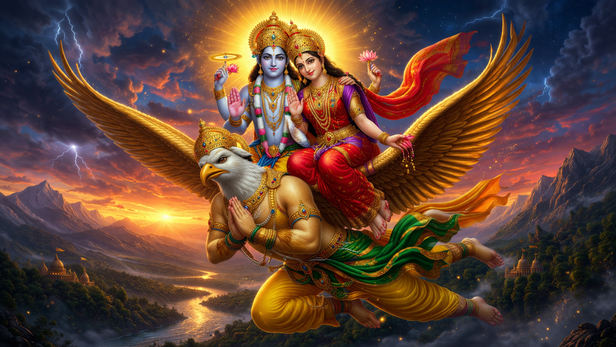
In Kashi, death isn’t what you think. I saw a body floating in the Ganges, wrapped in banana leaves a ritual that defies cremation norms. Locals whispered secrets: some lives, like snake bite victims or spiritually unique individuals, follow different rules. According to Garuda Purana, the life force may linger for 21 days, and tantriks can, in rare cases, influence it. These ancient practices reveal a raw, unfiltered view of life and death, showing that Kashi holds mysteries that challenge everything you believe about mortality.
When Death Is Different The Kashi Way
In Kashi, death isn’t always a one-size-fits-all ritual. Certain deaths like those from snake bites, children, pregnant women, or sadhus are considered spiritually distinct. These bodies are sometimes left uncremated and immersed in the Ganges. The reasoning stems from the belief that the life force can linger in the body for up to 21 days, especially in unusual deaths. Observing this teaches humility and the stark reality of mortality, showing how culture interprets the thin boundary between life and death.
Garuda Purana’s Wisdom on Unusual Deaths
The Garuda Purana, an ancient Hindu scripture, describes the journey of the soul after death and special rituals for different types of deaths. It explains that spiritual energy in certain bodies must not be disturbed immediately, as it could remain potent. This is why rituals like river immersion instead of cremation exist. The scripture provides detailed guidance on who qualifies, how the rites are performed, and why these exceptions preserve cosmic balance. For devotees, following these rites ensures the departed soul’s peaceful transition.
Life Force and Mystical Beliefs
Locals believe that the brain may retain life force for up to 21 days. This energy is highly potent, and disturbing the body too soon could prevent the soul’s proper transition. Tantriks, skilled in spiritual arts, are sometimes believed capable of interacting with this energy. Stories of mystical revival circulate in Kashi, where spirituality and metaphysics intersect. These beliefs transform death from a simple ritual into a profound spiritual practice, emphasizing reverence, timing, and energy consciousness.
Symbolism of Banana Leaves & Water
Banana leaves aren’t random they symbolize purity, fertility, and the cycle of life. Offering the body to the Ganges connects it to the sacred river, which in Hindu belief, purifies and sustains the soul’s journey. The ritual combines natural elements with spiritual symbolism, making death a sacred return to the cosmic cycle. This practice is an eye-opening reminder that death rituals are as much about spiritual lessons as they are about honoring the departed.
Lessons from Kashi About Life and Death
Kashi exposes life’s impermanence like nowhere else. Observing these rituals teaches acceptance, humility, and reverence. The city’s customs highlight that death isn’t always about closure it’s about energy, timing, and respect for cosmic laws. From locals to sadhus, everyone participates in a living philosophy that embraces mortality while guiding the living. For visitors, it’s a transformative lesson: to live fully, respect the unseen, and honor life and death as intertwined.
Why Kashi Changes How You See Death
Seeing a body offered to the Ganges is unsettling but it’s also enlightening. Kashi teaches that death isn’t an end; it’s a process with rules, energy, and meaning. The Garuda Purana guides this understanding, while traditions protect spiritual integrity and energy flow. For anyone visiting, this city offers a visceral reminder that life is fragile, sacred, and interconnected with unseen forces. Death here isn’t to be feared—it’s to be observed, respected, and understood.
Unlock insightful tips and inspiration on personal growth, productivity, and well-being. Stay motivated and updated with the latest at My Life XP.
Frequently Asked Questions (FAQs)
Q1: Why are some bodies in Kashi not cremated?
A: Certain deaths like snake bites, sadhus, pregnant women, or children are considered spiritually unique. Local traditions and Garuda Purana teachings sometimes call for offering the body to the Ganges instead of cremation.
Q2: How long can the life force remain in the body?
A: Traditional beliefs suggest it may linger up to 21 days after death, influencing rituals and last rites.
Q3: What role do tantriks play in these rituals?
A: Tantriks are believed to have spiritual knowledge that can interact with the residual life force in rare cases.
Q4: Is this ritual common in all of India?
A: No, it is primarily observed in Varanasi (Kashi) due to its spiritual significance and connection to the Ganges.
Q5: Can anyone witness these rituals?
A: Yes, but visitors are advised to maintain respect, sensitivity, and discretion when observing these sacred practices.