
Which Chanting Method Works Better? The Answer May Surprise You
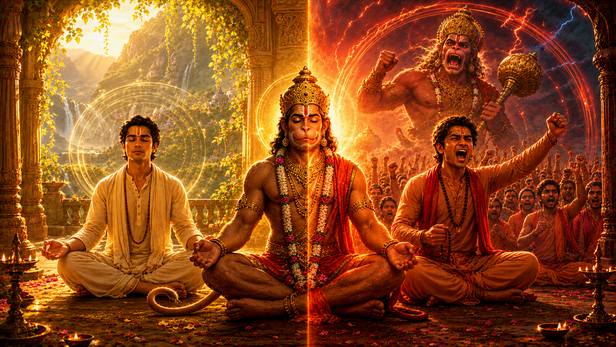
If you've ever attended a temple, meditation session, or spiritual gathering, you've probably noticed something interesting. Some people chant loudly with devotion, while others sit quietly, repeating the same mantra within their minds. Both appear deeply focused, yet their methods seem completely different. So which one is better? The surprising truth is that ancient spiritual traditions never treated these methods as competitors. Instead, they viewed them as stages of a journey. The real secret lies in understanding how each form of chanting affects the body, mind, and subtle energy system. Once you discover this hidden progression, your mantra practice may never feel the same again.
Why Chanting Is More Than Just Repeating Words
Most people think a mantra is simply a collection of sacred words. Ancient traditions teach something very different. A mantra is a combination of sound, vibration, intention, and awareness. Every repetition creates subtle effects throughout the body and mind. Just as music can change emotions instantly, sacred sounds influence deeper layers of consciousness. Chanting is therefore not about saying words repeatedly; it is about creating harmony between the individual and the universal order. This deeper understanding explains why different styles of chanting exist and why each serves a unique purpose in spiritual growth.
The Surprising Strength of Loud Chanting
Loud chanting, known as Vaikhari, is often the easiest way to begin mantra practice. The audible sound anchors attention and prevents the mind from wandering. The rhythm of breath becomes steady, the chest expands, and the body begins participating in the practice. This creates a powerful sense of presence. Many people notice that loud chanting quickly reduces mental clutter because hearing the mantra leaves less room for distractions. It also energizes the surrounding environment, making the space feel calmer and more focused. For beginners especially, loud chanting provides a strong and stable foundation.
The Quiet Bridge Most People Overlook
Between loud and silent chanting exists an often-overlooked practice called Upanshu. Here, the mantra is repeated softly, sometimes only with lip movement or a faint whisper. Although subtle, this stage plays a crucial role. The external sound begins fading while attention turns inward. The mind becomes calmer without abruptly entering silence. Many practitioners discover that this transition helps maintain concentration far more effectively than trying to jump directly into mental repetition. Upanshu acts like a bridge, carrying awareness smoothly from the physical world of sound into the inner world of contemplation.
What Happens During Silent Chanting
Silent chanting, or Manasika Japa, occurs entirely within the mind. There is no spoken sound and no visible movement. At first this may seem simple, but it is often the most challenging form of chanting. Without external support, attention must remain firmly connected to the mantra. As practice deepens, the repetition becomes increasingly natural and effortless. Many spiritual traditions consider this stage highly transformative because the mantra begins influencing subtle patterns of thought, emotion, and perception. Instead of creating sound in the world, it creates profound stillness within the practitioner.
The Hidden Reason One Method Feels Better Than Another
People often ask which chanting method is superior. Ancient teachings offer a surprising answer: the best method depends on your current state. When the mind is restless, loud chanting works better because sound captures attention. When focus improves, softer chanting becomes effective. When awareness becomes steady, silent repetition naturally unfolds. Problems arise when practitioners force themselves into advanced stages too quickly. Just as a seed cannot become a tree overnight, the mind needs gradual preparation. The most effective chanting practice respects this natural progression rather than rushing through it.
A Simple Story That Explains Everything
Imagine someone sitting for meditation after a stressful day. The moment they close their eyes, countless thoughts appear. Silent chanting feels impossible. So they begin chanting aloud. Within minutes, breathing slows and distractions reduce. Gradually, the volume softens into a whisper. The mind becomes calmer. Eventually, even the whisper disappears, yet the mantra continues internally with ease. This simple progression mirrors the wisdom preserved in ancient traditions. Silence is not forced at the beginning. It emerges naturally after sound has completed its work.
The Most Effective Way to Combine All Three
A practical chanting routine follows a simple sequence. Begin with a few minutes of loud chanting to engage the body and clear mental noise. Then gradually soften the mantra into whisper-level repetition, allowing awareness to turn inward. Finally, continue the mantra silently within the mind. This progression aligns the physical body, breath, emotions, and attention in a natural flow. Instead of choosing between loud and silent chanting, you benefit from both. Each stage prepares the next, creating a complete practice that feels balanced, sustainable, and deeply transformative.
Unlock insightful tips and inspiration on personal growth, productivity, and well-being. Stay motivated and updated with the latest at My Life XP.
Frequently Asked Questions (FAQs)
1. Which is better: silent chanting or loud chanting?
Neither is universally better. Loud chanting (Vaikhari) helps improve focus and reduce distractions, while silent chanting (Manasika) works more deeply on concentration and inner awareness. The most effective approach is often to use both as part of a gradual progression.
2. What is Vaikhari chanting?
Vaikhari is the practice of chanting a mantra aloud so that the sound can be clearly heard. It engages the breath, voice, and body, making it easier to maintain focus, especially for beginners.
3. What is Upanshu chanting?
Upanshu chanting involves repeating a mantra very softly, almost like a whisper or silent lip movement. It serves as a bridge between loud chanting and completely mental chanting.
4. What is Manasika chanting?
Manasika chanting is the silent repetition of a mantra within the mind. There is no vocalization or lip movement. It is considered an advanced form of practice that promotes deep concentration and inner stillness.
5. Why do many spiritual traditions recommend starting with loud chanting?
Loud chanting helps calm a restless mind by engaging multiple senses at once. The sound anchors attention, making it easier to stay focused and enter a meditative state.