
Why a Minister Says Modi Has Replaced Gandhi Globally
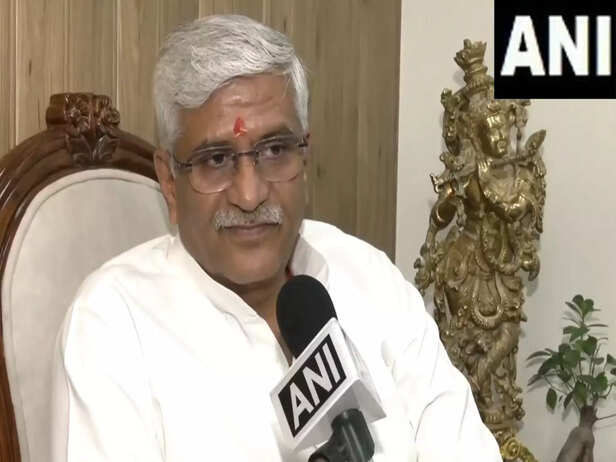
When people thought of India twenty years ago, one name often came to mind first Mahatma Gandhi. His legacy shaped the world's understanding of the country for generations. But according to Union Tourism Minister Gajendra Singh Shekhawat, that reality has changed dramatically. His recent remarks have sparked discussion across political and social circles. He believes that Prime Minister Narendra Modi has become the face most associated with India globally. The statement has raised an important question: Is India's global identity entering a new era?
A New Face of Global India
According to Tourism Minister Gajendra Singh Shekhawat, India's international identity has undergone a remarkable shift over the past decade. He argued that while previous generations often associated India with Mahatma Gandhi, many people today immediately connect India with Prime Minister Narendra Modi. Whether during global summits, diplomatic visits, or international forums, Modi's presence has become highly visible. Supporters view this as evidence of India's growing confidence and influence. The minister believes that this visibility has helped strengthen India's recognition across continents, making the country's leadership a significant part of its modern global image.
Why Global Perception Matters
A country's reputation extends far beyond politics. It affects tourism, investment, trade, and international partnerships. When people view a nation positively, curiosity naturally follows. They want to visit, explore, and engage with its culture. Shekhawat emphasized that leadership often shapes these perceptions. A strong international presence can attract attention toward a country's traditions, landmarks, and opportunities. For India, this means converting global recognition into tourism growth. The government's focus is not only on promoting destinations but also on creating a stronger emotional connection between India and international audiences.
The Ambitious Tourism Vision for 2047
One of the most striking aspects of the minister's remarks was the long-term tourism target. He expressed confidence that foreign tourist arrivals could increase tenfold by 2047. This vision aligns with India's broader developmental goals and reflects a belief that the country can become one of the world's most attractive destinations. To support this ambition, Indian embassies and diplomatic missions have reportedly been encouraged to actively promote tourism. The strategy recognizes that attracting visitors requires more than advertisements it requires building a compelling national image that inspires people to experience India firsthand.
Culture Remains India's Greatest Strength
Despite highlighting the Prime Minister's global recognition, Shekhawat made it clear that India's culture remains its strongest ambassador. The country's festivals, languages, traditions, monuments, spirituality, and history continue to attract admiration worldwide. Leaders may influence perceptions for a period of time, but culture creates lasting impressions that survive generations. India's civilizational heritage offers something few countries can match: an extraordinary blend of diversity and continuity. This cultural depth is what keeps visitors returning and what continues to distinguish India from other global destinations competing for attention.
From 'Incredible India' to 'Inevitable India'
Perhaps the most intriguing statement was the minister's suggestion that India is moving from being "Incredible India" to becoming "Inevitable India." The phrase reflects a belief that India is no longer simply a destination to admire but a nation that the world cannot ignore. Whether through economic growth, technology, diplomacy, culture, or tourism, India is increasingly becoming part of global conversations. This evolving identity represents more than branding. It signals an ambition to position India as a major force shaping the future while remaining deeply connected to its historical roots.
Unlock insightful tips and inspiration on personal growth, productivity, and well-being. Stay motivated and updated with the latest at My Life XP.
Frequently Asked Questions (FAQs)
1. What did Tourism Minister Gajendra Singh Shekhawat say about PM Modi?
Gajendra Singh Shekhawat said that Prime Minister Narendra Modi has become India's "biggest brand ambassador" and that many people around the world now associate India with Modi, much like previous generations associated India with Mahatma Gandhi.
2. Why did the minister compare PM Modi with Mahatma Gandhi?
The minister was discussing India's global image and argued that Gandhi Ji was the most recognizable Indian figure internationally for decades, while PM Modi has emerged as a prominent global face of India in recent years.
3. Did the minister say India's identity was only linked to Gandhi?
Shekhawat stated that India's image abroad had remained strongly associated with Mahatma Gandhi for many years. However, he also emphasized that India's culture remains the country's true and lasting identity.
4. Why is a country's global image important?
A positive global image can boost tourism, attract foreign investment, strengthen diplomatic relations, and increase international interest in a country's culture, economy, and opportunities.
5. How does leadership influence tourism?
Well-known leaders often draw global attention to their countries. Increased visibility can encourage people to learn more about the nation, visit its destinations, and engage with its culture and heritage.