
Why Ambubachi Mela Begins After June Every Year
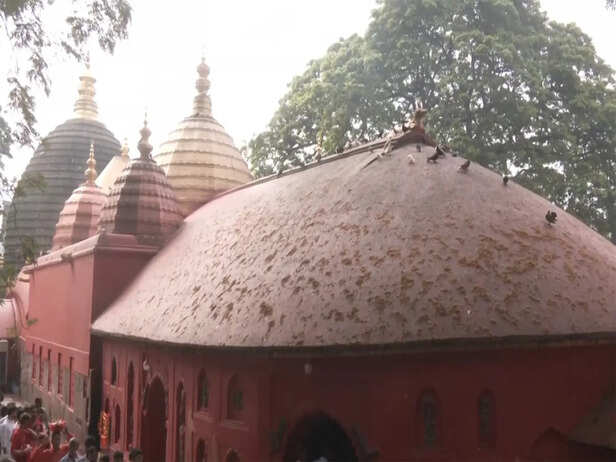
Every year, millions celebrate festivals based on lunar calendars, changing dates, and ancient traditions. But there is one spiritual event that stands apart. Ambubachi Mela arrives at almost the same time every year, shortly after the Summer Solstice. Coincidence? Many spiritual traditions say no. For centuries, this period has been associated with the sacred feminine, the rhythms of nature, and a unique opportunity for inner transformation. While science sees a powerful astronomical event, yogic traditions view it as a rare moment when cosmic energies align with human consciousness. The deeper you explore this belief, the more fascinating it becomes.
When the Sun Reaches Its Highest Point
Every year around June 21, the Northern Hemisphere experiences the Summer Solstice, the longest day and shortest night of the year. From a scientific perspective, this occurs because the Earth's tilt allows sunlight to reach its maximum intensity in the north. Ancient cultures around the world observed this event with great importance. In Indian spiritual traditions, this period is seen not only as an astronomical phenomenon but also as a time when natural energies become especially active. The days following the solstice are believed to carry a unique significance for both nature and spiritual seekers.
Why Nature Is Considered Sacred During This Time
Ambubachi is associated with the belief that Mother Earth enters a sacred period of regeneration. In many regions, activities such as ploughing fields, digging soil, or disturbing the land are traditionally avoided. This practice reflects a deep respect for nature's rhythms. Rather than focusing on productivity, communities are encouraged to honor rest, healing, and renewal. The symbolism is powerful. Just as nature requires periods of recovery, human beings also need moments to pause, reflect, and restore their energy before moving forward again.
The Ancient Link Between Energy and Awareness
Yogic philosophy teaches that human beings are deeply connected to the universe around them. According to these teachings, periods of heightened natural energy can become opportunities for spiritual growth. The time around Ambubachi is often viewed as ideal for introspection, meditation, and inner awareness. Practitioners believe that by turning inward, individuals can become more sensitive to subtle energies within themselves. Whether viewed symbolically or spiritually, the message remains the same: meaningful transformation often begins in silence rather than external activity.
Awakening the Divine Feminine Within
One of the central themes of Ambubachi is the celebration of feminine energy. In yogic traditions, the feminine principle represents creativity, intuition, nurturing, and transformation. The festival reminds people that these qualities exist within everyone, regardless of gender. Spiritual teachings suggest that understanding this aspect of oneself can lead to greater emotional balance and self-awareness. The symbolism of Mother Nature's renewal becomes a reflection of the personal journey toward awakening compassion, wisdom, and inner strength.
Beyond Kamakhya: A Tradition Larger Than One Temple
Many people associate Ambubachi exclusively with the famous Kamakhya Temple in Kamakhya Temple. However, the festival's deeper ideas are reflected in traditions across different parts of India. Communities observe practices that honor nature, fertility, and spiritual reflection during this period. While customs vary from region to region, the underlying message remains remarkably consistent. It is a time to recognize humanity's connection with the earth and to acknowledge the cycles that govern both nature and life itself.
A Simple Practice for Inner Reflection
Modern life often leaves little room for reflection. Ambubachi offers a reminder to slow down. Many spiritual teachers recommend spending time in quiet contemplation during this period. Sitting peacefully, closing the eyes, and focusing on the breath can help calm the mind and increase self-awareness. The goal is not to achieve something extraordinary overnight. Instead, it is about creating space to listen inwardly. In a world filled with constant distractions, stillness itself becomes a meaningful act of renewal.
The Deeper Message Hidden in the Festival
At its heart, Ambubachi is a reminder that growth begins with renewal. Nature rests before it flourishes again. The earth heals before it gives life. Human beings follow a similar pattern. Constant activity without reflection can lead to exhaustion, while moments of pause create opportunities for transformation. Whether one views Ambubachi through a spiritual, symbolic, or cultural lens, its message remains timeless. Respect nature, honor life's cycles, and create space for inner growth. Sometimes the most powerful changes happen quietly, far from the noise of everyday life.
Unlock insightful tips and inspiration on personal growth, productivity, and well-being. Stay motivated and updated with the latest at My Life XP.
Frequently Asked Questions (FAQs)
1. What is Ambubachi Mela?
Ambubachi Mela is a spiritual festival associated with the annual cycle of Mother Earth and is most prominently celebrated at Kamakhya Temple in Assam.
2. Why is Ambubachi linked to the Summer Solstice?
The festival begins shortly after the Summer Solstice, a period associated with peak solar energy in the Northern Hemisphere.
3. What does the festival symbolize?
It symbolizes fertility, regeneration, renewal, and the sacred feminine energy of nature.
4. Why are agricultural activities traditionally avoided during this time?
Many traditions consider this a period of rest and healing for Mother Earth, so activities that disturb the soil are minimized.
5. Is Ambubachi celebrated only at Kamakhya Temple?
No. While Kamakhya is the most famous center of celebration, similar beliefs and practices are observed in various regions of India.