
Why Ancestors Are Believed to Return on These 3 Days
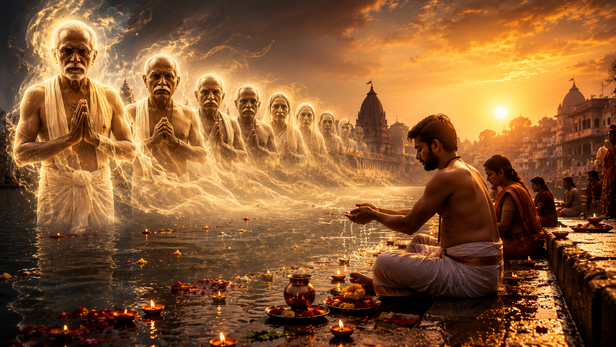
Have you ever wondered why Hindu traditions place so much importance on Amavasya, Sankranti, and Pitru-related rituals? According to many traditional beliefs, ancestors, or Pitru, continue to bless their descendants through remembrance, prayers, and acts of charity. Some traditions even say there are three special occasions when ancestors symbolically visit their families, each with a different purpose. Whether taken literally or spiritually, these beliefs have shaped Hindu customs for centuries and continue to inspire devotion today.
A Bond That Never Truly Ends
In Hindu culture, the relationship with ancestors does not end after death. Through prayers, remembrance, and rituals, families continue to honor those who came before them. These practices express gratitude and preserve family traditions across generations. Many people believe that remembering ancestors with sincerity brings peace, harmony, and blessings into the home while strengthening the bond between past and present.
The Day of Blessings
According to popular beliefs followed in some Hindu traditions, one sacred occasion is associated with ancestors offering blessings to their descendants. Families perform prayers with devotion, seeking prosperity, happiness, and protection. While customs differ across regions, the underlying message remains the same: gratitude toward ancestors is considered an important part of maintaining family harmony and spiritual well-being.
Why Charity Matters on Sankranti
Sankranti is widely regarded as an auspicious time for daan (charitable giving). Many traditional beliefs suggest that acts of generosity performed on this day honor both the divine and one's ancestors. Donating food, clothes, or other essentials reflects compassion and gratitude, values deeply rooted in Hindu philosophy. These charitable acts are believed to benefit both the giver and society.
The Meaning of Amavasya Rituals
Amavasya holds special importance in ancestor worship across many Hindu communities. Some traditions recommend lighting a lamp beneath a Peepal tree and offering prayers with sesame seeds as a symbol of remembrance and respect. These practices are based on regional customs and traditional beliefs, expressing devotion rather than fear. Their purpose is to remember ancestors with gratitude and seek inner peace.
The Real Lesson Behind These Beliefs
The deeper purpose of ancestor rituals goes beyond specific ceremonies. They remind families to respect their roots, care for elders, preserve traditions, and practice kindness. Whether through prayer, charity, or remembrance, these customs encourage people to remain connected with the values passed down through generations. This message remains meaningful regardless of individual beliefs.
Simple Ways to Honor Your Ancestors
You do not need elaborate rituals to honor your ancestors. Offering sincere prayers, helping those in need, feeding birds or animals, donating to charity, and remembering loved ones with gratitude are meaningful practices followed by many families. Consulting knowledgeable family elders or qualified priests can also help if you wish to follow specific traditional rituals according to your family's customs.
A Tradition Rooted in Gratitude
The belief that ancestors continue to bless their descendants has inspired generations of Hindus to preserve rituals of remembrance and charity. While customs vary across regions and traditions, the heart of these practices remains the same: gratitude, respect, and responsibility toward those who came before us. By honoring our ancestors with sincere devotion and good deeds, we also strengthen the values that guide future generations.A Bond That Never Truly Ends
Image Title
A family offering prayers to their ancestors
In Hindu culture, the relationship with ancestors does not end after death. Through prayers, remembrance, and rituals, families continue to honor those who came before them. These practices express gratitude and preserve family traditions across generations. Many people believe that remembering ancestors with sincerity brings peace, harmony, and blessings into the home while strengthening the bond between past and present.
The Day of Blessings
According to popular beliefs followed in some Hindu traditions, one sacred occasion is associated with ancestors offering blessings to their descendants. Families perform prayers with devotion, seeking prosperity, happiness, and protection. While customs differ across regions, the underlying message remains the same: gratitude toward ancestors is considered an important part of maintaining family harmony and spiritual well-being.
Why Charity Matters on Sankranti
Sankranti is widely regarded as an auspicious time for daan (charitable giving). Many traditional beliefs suggest that acts of generosity performed on this day honor both the divine and one's ancestors. Donating food, clothes, or other essentials reflects compassion and gratitude, values deeply rooted in Hindu philosophy. These charitable acts are believed to benefit both the giver and society.
The Meaning of Amavasya Rituals
Amavasya holds special importance in ancestor worship across many Hindu communities. Some traditions recommend lighting a lamp beneath a Peepal tree and offering prayers with sesame seeds as a symbol of remembrance and respect. These practices are based on regional customs and traditional beliefs, expressing devotion rather than fear. Their purpose is to remember ancestors with gratitude and seek inner peace.
The Real Lesson Behind These Beliefs
The deeper purpose of ancestor rituals goes beyond specific ceremonies. They remind families to respect their roots, care for elders, preserve traditions, and practice kindness. Whether through prayer, charity, or remembrance, these customs encourage people to remain connected with the values passed down through generations. This message remains meaningful regardless of individual beliefs.
Simple Ways to Honor Your Ancestors
You do not need elaborate rituals to honor your ancestors. Offering sincere prayers, helping those in need, feeding birds or animals, donating to charity, and remembering loved ones with gratitude are meaningful practices followed by many families. Consulting knowledgeable family elders or qualified priests can also help if you wish to follow specific traditional rituals according to your family's customs.
A Tradition Rooted in Gratitude
The belief that ancestors continue to bless their descendants has inspired generations of Hindus to preserve rituals of remembrance and charity. While customs vary across regions and traditions, the heart of these practices remains the same: gratitude, respect, and responsibility toward those who came before us. By honoring our ancestors with sincere devotion and good deeds, we also strengthen the values that guide future generations.
Disclaimer This article is based on traditional beliefs and is intended for informational purposes only.
Unlock insightful tips and inspiration on personal growth, productivity, and well-being. Stay motivated and updated with the latest at My Life XP.