
Why Are Demons Called Asuras? The Real Reason
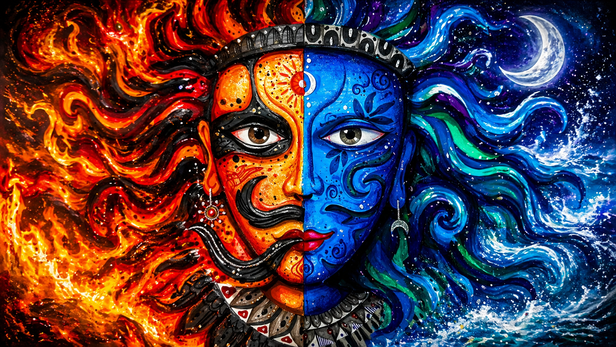
What if everything you believed about “Asuras” was incomplete or even wrong? From childhood, we hear stories where Devas are good and Asuras are evil simple, clear, no questions asked. But ancient traditions were never that black and white. Beneath these stories lie hidden layers, forgotten meanings, and uncomfortable truths that few take time to explore. The real difference wasn’t always about good versus evil. In fact, one of the most surprising truths begins not with a battle, but with a choice one decision that quietly shaped identities, perceptions, and how entire groups were remembered for centuries.
The Origin That Everyone Ignores
The story starts with Rishi Kashyap and his two wives Aditi and Diti. Aditi’s children became known as Devas, while Diti’s children were called Daityas and Danavas. But here’s the twist both came from the same father. There was no “good vs evil” at birth. They were simply two lineages. The division wasn’t moral it was identity-based. This alone breaks the biggest myth. If both came from the same origin, how did one become divine and the other labeled demonic? The answer lies not in birth but in choices made later.
The Choice That Changed Everything
During Samudra Manthan, many treasures emerged one of them was Sura, associated with divine intoxication or celestial wine. Aditi’s sons accepted Sura. They embraced it. Meanwhile, Diti’s sons rejected it. This moment is rarely discussed, but it shaped perception. Those who accepted Sura became “Sur” (aligned with Sura), and those who rejected it were labeled “A-sur” meaning “not with Sura.” It wasn’t about evil. It was about alignment. A simple acceptance or rejection turned into a defining identity.
The Word “Asur” Was Misunderstood
The word “Asur” originally didn’t mean demon. In early texts, Asuras were powerful beings, knowledgeable and disciplined. Over time, narratives shifted. Stories began portraying them as villains. Why? Because history is often written from one perspective. The Devas became symbols of order, and Asuras became symbols of opposition. But opposition doesn’t always mean evil. It simply means different. This shift in meaning is one of the biggest misunderstandings in mythology.
Power, Not Evil, Defined Asuras
Asuras were not weak or chaotic. They were strong, intelligent, and highly disciplined. Many even performed intense penance and gained divine powers. The difference was in how they used that power. While Devas aligned with cosmic order, Asuras often challenged it. This made them appear threatening. But strength without alignment is not evil it’s uncontrolled potential. And that is what created conflict. Not morality, but direction.
The Hidden Lesson Most People Miss
This story is not just about ancient beings. It reflects human nature. Every person has both tendencies clarity and confusion, discipline and desire. The real meaning of Deva and Asura lies within us. When we align with clarity, we act like Devas. When we reject balance or act from ego, we step into Asuric behavior. It’s not about labels. It’s about awareness. And that’s why this story still matters today.
Unlock insightful tips and inspiration on personal growth, productivity, and well-being. Stay motivated and updated with the latest at My Life XP.
Frequently Asked Questions (FAQs)
1. Did “Asura” originally mean demon?
No. In early texts, “Asura” did not always mean demon. It often referred to powerful beings with great knowledge and strength. The negative meaning developed later as stories evolved and perspectives changed.
2. Why are Asuras shown as evil in most stories?
Over time, many narratives began portraying Asuras as opposers of cosmic order. This made them appear as villains, even though earlier descriptions were more balanced and complex.
3.What is the connection between “Sura” and “Asura”?
A popular interpretation suggests that those who accepted “Sura” (symbolic divine drink or energy) were called “Sur,” while those who rejected it became “A-sur,” meaning “not aligned with Sura.”
4. Are Devas always good and Asuras always bad?
Not necessarily. Both Devas and Asuras have strengths and flaws. The stories often highlight different qualities rather than strict good-versus-evil roles.
5. What is the deeper meaning of Deva vs Asura?
It reflects inner human tendencies. Deva symbolizes clarity, balance, and alignment, while Asura represents ego, ambition, or resistance. The real battle is often within us.