
Why Bhima Observed This Powerful Fast Just Once
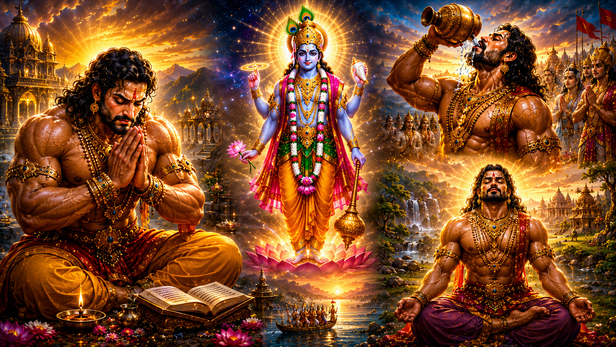
What if a single day of devotion could bring the spiritual benefits of an entire year's worth of fasting? That is the extraordinary belief associated with Nirjala Ekadashi, one of the most revered and challenging observances in Hindu tradition. Unlike other fasts, this sacred vrat requires devotees to abstain not only from food but even from water. For many, that sounds impossible. Yet every year, countless devotees willingly undertake this difficult spiritual journey. Why? The answer lies in a fascinating story, powerful beliefs, and a promise that has inspired generations.
Why Nirjala Ekadashi Is Different
Most fasting traditions allow water or certain foods. Nirjala Ekadashi is different. The word "Nirjala" literally means "without water," making it one of the strictest spiritual observances in Hinduism. Devotees spend the entire day focused on prayer, self-discipline, and devotion to Lord Vishnu. The challenge is not merely physical. It is a test of determination and faith. By willingly giving up even the most basic necessity, devotees seek to strengthen their spiritual connection and move beyond ordinary worldly attachments.
The Story That Made This Fast Famous
The most famous story associated with Nirjala Ekadashi involves Bhima, the mighty Pandava known for his immense strength and appetite. While his brothers and Draupadi faithfully observed every Ekadashi fast, Bhima struggled to control his hunger. Feeling guilty, he approached Sage Vyasa for guidance. Understanding Bhima's difficulty, Vyasa suggested observing a single Nirjala Ekadashi each year. This one strict fast, he explained, would grant the benefits of all the Ekadashis Bhima could not observe. Since then, the day has also been known as Bhimseni Ekadashi.
The Promise of Twenty-Four Blessings
One of the most remarkable beliefs surrounding Nirjala Ekadashi is its spiritual reward. Scriptures and traditions state that observing this single fast with sincerity can provide the benefits of all twenty-four Ekadashis observed throughout the year. For devotees unable to maintain every monthly fast, Nirjala Ekadashi offers a unique opportunity. This belief has made it one of the most widely observed Ekadashis. It is not viewed as a shortcut but as a profound act of devotion requiring exceptional commitment and self-control.
More Than A Test Of Physical Endurance
Many people assume Nirjala Ekadashi is only about resisting hunger and thirst. In reality, its deeper purpose is spiritual purification. The fast encourages devotees to reduce distractions and focus entirely on prayer, reflection, and remembrance of Lord Vishnu. By stepping away from physical comforts, participants seek greater clarity and awareness. The experience often becomes a reminder that true strength comes not from satisfying every desire but from learning to master them. This inner transformation is considered one of the fast's greatest rewards.
The Sacred Timing Behind The Fast
Nirjala Ekadashi occurs during the Shukla Paksha of the Jyeshtha month, typically falling in May or June. It often comes shortly after Ganga Dussehra, adding to its spiritual significance. The timing is noteworthy because it arrives during one of the hottest periods of the year, making the waterless fast even more challenging. This difficulty is believed to enhance the value of the observance. For devotees, enduring the heat while maintaining faith becomes an expression of unwavering dedication and spiritual resolve.
Why Breaking The Fast Matters
The completion of Nirjala Ekadashi is marked through a ritual known as Parana. This is the formal breaking of the fast on Dwadashi, the day after Ekadashi. Tradition emphasizes that Parana should be performed at the proper time, after sunrise and after the sacred Hari Vasara period ends. Observing the fast is important, but ending it correctly is considered equally significant. The ritual symbolizes balance, gratitude, and the successful completion of a spiritual commitment made with sincerity and devotion.
A Lesson That Still Inspires Millions
The enduring popularity of Nirjala Ekadashi is rooted in a simple yet powerful lesson. Every person faces limitations, struggles, and weaknesses, just as Bhima did. Yet spiritual growth begins when we acknowledge those challenges and strive to overcome them. The fast teaches discipline, humility, and dedication in a world often driven by instant gratification. Whether observed for religious reasons or appreciated for its symbolism, Nirjala Ekadashi continues to inspire people to strengthen their faith and reconnect with values that truly matter.
Unlock insightful tips and inspiration on personal growth, productivity, and well-being. Stay motivated and updated with the latest at My Life XP.
Frequently Asked Questions (FAQs)
1. What is Nirjala Ekadashi?
Nirjala Ekadashi is one of the most sacred and significant Ekadashis in Hinduism. The word "Nirjala" means "without water," and devotees observe a strict fast by abstaining from both food and water while worshipping Lord Vishnu.
2. Why is Nirjala Ekadashi considered so important?
Nirjala Ekadashi is regarded as the most powerful among the twenty-four Ekadashis observed throughout the year. It is believed that observing this single fast with devotion grants the spiritual benefits of all twenty-four Ekadashi fasts.
3. Why is Nirjala Ekadashi also called Bhimseni Ekadashi?
The fast is associated with Bhima, who struggled to observe regular Ekadashi fasts because of his immense appetite. Following the advice of Vyasa, Bhima observed Nirjala Ekadashi and received the merit of all Ekadashi fasts, leading to the name Bhimseni Ekadashi.
4. What are the rules of Nirjala Ekadashi fasting?
Devotees abstain from all food and water from sunrise on Ekadashi until the fast is broken on Dwadashi. Many devotees also spend the day chanting prayers, reading sacred texts, and worshipping Lord Vishnu.
5. Can everyone observe Nirjala Ekadashi?
While anyone may choose to observe the fast, Nirjala Ekadashi is physically demanding because it prohibits water intake. Elderly individuals, pregnant women, children, and people with health conditions should consult a qualified medical professional and follow their family's religious traditions before attempting such a strict fast.