
Why Devotees Clap in Shiva Temples? Hidden Truth
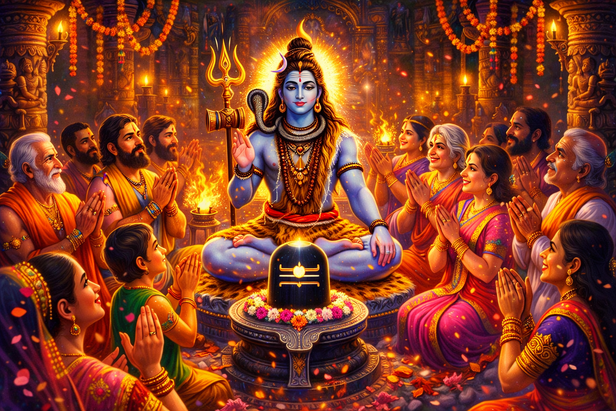
You visit a Shiva temple. You pray with devotion. And just before leaving you clap your hands. But have you ever paused and asked why? Is it just a habit passed down through generations or something deeper? Most people follow it without knowing its meaning. But behind this simple act lies a powerful story of intense devotion, unexpected anger, sacrifice, and divine transformation. A story where a child’s faith shook the heavens and caught the attention of Lord Shiva himself. Because sometimes, the smallest rituals carry the biggest truths waiting quietly for someone to finally understand them.
The Child Whose Devotion Was Different
In a quiet village of Tamil Nadu, a young boy named Vichar Sharma lived a simple life. But his devotion was anything but ordinary. While others followed rituals, he felt a deep, emotional connection with Lord Shiva. One day, seeing cows being beaten, his heart couldn’t accept it. He saw them as sacred, belonging to Nandi himself. That moment changed everything. What began as compassion slowly turned into intense devotion something pure, but powerful enough to shape his destiny forever.
The Devotion That Became a Miracle
The boy began caring for the cows himself. And something unbelievable started happening. Whenever he approached them, milk flowed freely. He would collect it, go to the riverbank, create a small Shivling from sand, and offer the milk with deep faith. There was no temple, no crowd just a child and his devotion. But true devotion doesn’t need an audience. It creates its own energy. What looked simple from outside was becoming something divine from within.
The Moment Everything Changed
When villagers saw milk being poured on sand, they misunderstood his devotion. To them, it looked like waste. Complaints reached his father, who arrived in anger. Without understanding the boy’s faith, he kicked the pot and tried to destroy the Shivling. In that instant, something shifted. The boy’s deep meditation broke, and his calmness turned into fierce intensity. His devotion became protective. A simple stick in his hand felt like a weapon. In a surge of emotion and faith, he struck his father an act that shocked everyone, yet came from a place of extreme, unshaken devotion.
When Shiva Himself Appeared
As soon as the act happened, the earth itself seemed to respond. The Shivling burst open and Lord Shiva appeared. But not in anger. There was calmness. A quiet smile. Instead of punishment, Shiva embraced the boy. He understood the devotion behind the action. With a touch, he healed the father and removed all negativity. Then he gave the boy a new identity Chandeshwar, the eternal guardian of Shiva’s wealth and temples.
The Hidden Meaning Behind Clapping
Even today, in many Shiva temples, devotees clap or dust their hands before leaving. This is not random. It is a message to Chandeshwar that they are not taking anything from the temple. No greed, no hidden desire. Just blessings. It’s a symbolic act of honesty and surrender. A reminder that we came empty-handed and we leave the same way. What looks like a small gesture carries a deep spiritual truth.
Unlock insightful tips and inspiration on personal growth, productivity, and well-being. Stay motivated and updated with the latest at My Life XP.
Frequently Asked Questions (FAQs)
1. Why do devotees clap before leaving a Shiva temple?
Clapping is a symbolic act to show that you are leaving empty-handed. It is believed to inform Chandeshwar, the guardian of Lord Shiva’s temple, that you are not taking anything with you except blessings.
2. Who is Chandeshwar?
Chandeshwar is a devoted follower of Lord Shiva who was blessed and appointed as the guardian of temple wealth and rituals. His story represents intense devotion and divine responsibility.
3. Why did the boy react so strongly to his father?
The reaction came from deep devotion, not anger alone. In that moment, he saw the destruction of his worship as an insult to the divine, which triggered a powerful emotional response.
4. Did Lord Shiva punish the boy for his actions?
No. Lord Shiva understood the purity of his devotion. Instead of punishment, he blessed the boy, healed his father, and gave him a divine role.
5. Is clapping in temples done everywhere?
This practice is mainly seen in South Indian Shiva temples, where devotees follow this tradition as a mark of respect and honesty.