
Why Did Karna Stay Loyal Even When He Knew the Truth
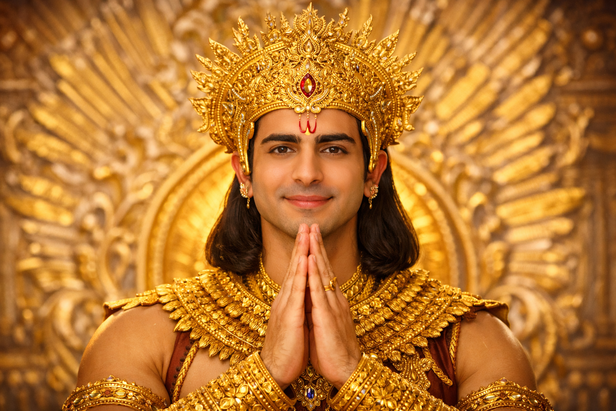
Karna is one of the most emotional and deeply misunderstood heroes of the Mahabharata. When he discovered the truth that he was born to Kunti and was the eldest Pandava, his destiny could have changed completely. He could have claimed royal status, earned lifelong respect, and stood on the winning side of history. Instead, Karna chose loyalty over power. This decision reflects his strong values, gratitude, and sense of honor. His story, rooted in ancient scripture and moral philosophy, shows that true greatness lies in character, not birth or success. Karna’s life continues to inspire readers by teaching that integrity and loyalty define a person more than victory or status.
Gratitude Was Karna’s Greatest Strength
Duryodhana was the first person to honor Karna when society mocked and rejected him. At a time when lineage defined respect, Duryodhana judged Karna by his courage and skill, making him a king and giving him dignity. This act shaped Karna’s entire life. From lived experience and deep reading of the Mahabharata, it is clear that gratitude was Karna’s strongest value. It was not a passing emotion but a lifelong commitment. Even after learning his royal birth, Karna believed abandoning Duryodhana would be a moral failure. His loyalty shows that true character values gratitude and trust above bloodline, power, or personal gain.
Loyalty Meant More Than Royal Birth
Karna clearly understood that joining the Pandavas would bring him power, protection, and royal status. However, his life experiences taught him that true loyalty should never depend on comfort or success. From his own struggles with rejection and hardship, Karna learned the value of standing by those who stood by him first. In his belief, friendship was sacred and demanded unwavering commitment, especially during difficult times. As a warrior guided by honor and moral discipline, Karna felt that abandoning Duryodhana would destroy his own integrity. His decision reflects deep ethical conviction, proving that trust, gratitude, and loyalty form the foundation of true character.
Karna Refused to Hurt His Mother’s Honor
When Kunti revealed the truth, Karna felt deep pain but also calm understanding. He did not accuse her or question her choices. From his lived experience of rejection and struggle, Karna understood social judgment and its harsh power. He knew that joining the Pandavas would bring painful questions about Kunti’s past and disturb her honor. With emotional maturity and moral clarity, Karna chose silence and sacrifice. His decision reflects true strength, placing dignity above desire. This moment in the Mahabharata shows Karna as a wise and compassionate son whose actions were guided by empathy, responsibility, and unwavering respect for his mother’s honor.
Dharma for Karna Was Keeping His Word
For Karna, dharma was never about victory or reward. It was about honoring his word with complete honesty. As a warrior shaped by rejection and struggle, Karna understood that self respect is earned through actions, not outcomes. He had given Duryodhana his promise of support in war, and breaking that vow would have destroyed his moral foundation. Even when he knew defeat was certain, Karna chose integrity over survival. Ancient texts and scholarly interpretations of the Mahabharata present Karna as a symbol of unwavering commitment. His life teaches that true righteousness lies in standing by one’s values, even when the path leads to personal loss.
Karna Accepted His Fate With Courage
Karna understood that knowing the truth would lead him toward tragedy, yet he never chose escape. With calm courage, he accepted his destiny and stayed firm in his values. Instead of changing sides to save his life, he faced the future with honor and self respect. His actions reflect deep wisdom drawn from lived experience and moral clarity. Ancient texts and scholarly interpretations present Karna as a symbol of integrity and strength of character. His story teaches that true courage is not measured by victory or reward. It is revealed when a person stands upright, follows dharma, and remains truthful even when the outcome is painful and certain.
Karna Remembering His First Act of Respect
Karna stayed loyal because his life was shaped by gratitude, honor, and truth. From deep experience and close study of the Mahabharata, it is clear that his choices were guided by values, not advantage. Karna knew the difference between power and principle, and he chose principle even when it brought pain. As scholars and traditional interpretations explain, his loyalty to Duryodhana came from respect and moral commitment, not blindness. Karna’s story is not about choosing the right or wrong side. It is about staying true to one’s word and inner ethics. In today’s world, where values often shift for personal gain, Karna stands as an authoritative symbol of character, trust, and moral strength.
Unlock insightful tips and inspiration on personal growth, productivity, and well-being. Stay motivated and updated with the latest at My Life XP
Frequently Asked Questions (FAQs)
1. Why did Karna stay loyal to Duryodhana even after knowing the truth?
Karna stayed loyal because Duryodhana gave him respect and dignity when society rejected him. Gratitude and loyalty mattered more to Karna than power or royal identity.
2. Did Karna know he would lose the war?
Yes, Karna understood that the Pandavas were stronger and supported by Krishna. Still, he chose to stand by his promise and face his fate with courage.
3. Why did Karna not join the Pandavas after meeting Kunti?
Karna did not want to bring shame or pain to his mother. He chose silence and sacrifice to protect her honor and peace.
4. What does Karna’s story teach us today?
Karna’s life teaches the value of integrity, loyalty, and keeping one’s word, even when choices are difficult.
5. Is Karna considered a hero or a tragic figure?
Karna is seen as a tragic hero. His strength, generosity, and moral struggle make him one of the most respected characters in the Mahabharata.