
Why Did Ravana Bow to Shiva but Still Lose the War Inside Himself?
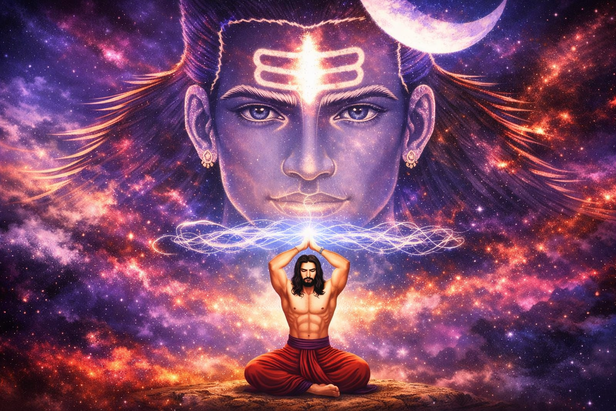
Ravana is remembered as a powerful devotee of Lord Shiva, yet he remains one of the most complex figures in the Ramayana. This contrast raises a timeless question that touches every human heart. How can deep devotion exist alongside inner darkness? Ravana’s story goes beyond war and conquest. It reveals an intense inner struggle between faith and uncontrolled desire. Hindu mythology teaches that worship alone does not guarantee peace. True spirituality requires discipline, humility, and self-control. Ravana’s fall reminds modern readers that devotion without inner transformation can lead to conflict, suffering, and loss of balance in life.
Ravana’s Devotion Was Real but Incomplete
Ravana’s devotion to Lord Shiva was powerful and sincere. He performed intense penance and even offered his own heads to show complete surrender. This act reflects deep faith and extraordinary discipline. However, his devotion focused on gaining strength rather than inner wisdom. His prayers increased his power but failed to soften his heart. True devotion purifies thoughts and reduces ego, but Ravana allowed pride to grow alongside worship. Without humility, devotion loses its healing power. Ravana’s story reminds us that spiritual practice must transform the heart, not just increase ability or authority.
Knowledge Without Humility Turned Into Ego
Ravana was among the most educated and gifted figures of ancient mythology. He mastered sacred scriptures, classical music, statecraft, and warfare through years of discipline and learning. Yet the Ramayana shows that knowledge without humility slowly turns into arrogance. Ravana began to believe his wisdom placed him above others and beyond moral responsibility. True knowledge, according to spiritual tradition, creates kindness and self-control. Ravana’s pride blocked honest self-reflection and made him ignore wise advice. This inner blindness weakened his judgment and became his greatest downfall, proving that learning without humility leads to inner defeat.
Desire Overpowered Devotion
Ravana worshipped Lord Shiva with deep devotion, yet he failed to control desire. His hunger for power and his obsession with Sita clouded his moral vision. Desire slowly pushed him away from dharma and made him cross sacred boundaries. The Bhagavad Gita clearly teaches that unchecked desire destroys wisdom and self-control. Ravana’s defeat did not begin on the battlefield of Lanka. It began within his own heart. When desire rules the mind, intelligence becomes blind and devotion loses its strength. This timeless lesson reminds us that true spirituality requires inner discipline, not only ritual worship.
He Refused to Listen to Truth
Many voices tried to guide Ravana away from destruction. Mandodari spoke with wisdom, Vibhishana warned with honesty, and elders urged him to return Sita. Yet Ravana refused to listen. His ego convinced him that power meant perfection and that he could never be wrong. Ancient mythology teaches that rejecting guidance is the first sign of inner collapse. When the mind shuts itself to truth, wisdom fades and downfall begins. Ravana did not lose because of Rama’s strength alone. He lost because he silenced conscience, ignored truth, and allowed pride to rule his inner world.
Shiva Gave Power, Not Liberation
Lord Shiva blessed Ravana with immense strength, protection, and deep knowledge. However, divine blessings never guarantee liberation without self-control. Hindu scriptures clearly teach that power itself is neutral, but its use reveals the heart of the individual. Ravana chose domination over service, allowing pride to guide his actions. True spiritual growth demands responsibility, humility, and restraint. When inner discipline is absent, even sacred gifts can become causes of downfall. Ravana’s defeat was not caused by lack of power, but by the inability to transform strength into compassion and wisdom.
Blessings With Responsibility
Ravana bowed before Lord Shiva, yet he failed to bow before the truth within his own heart. His story reveals a powerful lesson from mythology. Devotion without humility weakens the soul. Knowledge without wisdom fuels ego. Power without self-control invites inner destruction. The Ramayana reminds us that the greatest battle is not fought on the battlefield but inside the human heart. True victory begins when ego fades and self-awareness rises. Ravana lost not because he lacked strength, but because he ignored his soul. Spiritual growth demands inner surrender, not only outer worship.
Unlock insightful tips and inspiration on personal growth, productivity, and well-being. Stay motivated and updated with the latest at My Life XP.
Frequently Asked Questions (FAQs)
1. Why did Ravana worship Lord Shiva?
Ravana worshipped Lord Shiva to gain strength, knowledge, and protection. His devotion was intense, but it focused more on power than inner transformation.
2. If Ravana was so devoted, why did he still fail?
Ravana failed because devotion without humility leads to ego. He gained blessings but did not control desire, pride, or anger, which caused his inner collapse.
3. What does Ravana’s inner war teach us?
The story teaches that the greatest battle happens within the heart. Self-control and awareness are more important than external power or success.
4. How is ego connected to Ravana’s downfall?
Ego blinded Ravana to truth and advice. It prevented him from listening, learning, and correcting his mistakes.
5. What is the main spiritual lesson from Ravana’s story?
True spirituality requires humility, wisdom, and inner surrender. Worship alone cannot lead to growth unless the heart also transforms.