
Why Does Lord Shiva Wear a Crescent Moon?
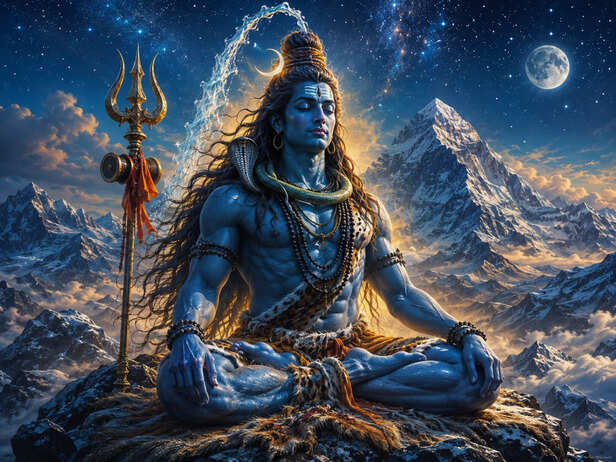
Lord Shiva is often depicted with unique symbols that distinguish him from other deities. The river Ganga flows from his hair, a serpent coils around his neck, and a crescent moon shines upon his forehead. While these elements are visually striking, each carries profound spiritual significance. The crescent moon, known as Chandra, is one of Shiva's most recognizable attributes. It represents much more than beauty or celestial power. Rooted in mythology and philosophy, it tells a story about the nature of time, the cycle of life, and the mastery of the mind. Understanding why Shiva wears the crescent moon offers a glimpse into the deeper wisdom of Hindu traditions.
The Story of Chandra and Shiva
According to Hindu mythology, Chandra, the Moon God, was married to the twenty-seven daughters of Daksha Prajapati. However, he favored one wife, Rohini, over the others. Feeling neglected, the remaining wives complained to their father. Daksha became furious and cursed Chandra, causing him to gradually lose his brilliance and strength. As the moon began to fade away, the balance of nature was disturbed. Gods, sages, and living beings became concerned. Seeking salvation, Chandra performed intense penance and prayed to Lord Shiva. Pleased by his devotion, Shiva partially relieved the curse. Instead of disappearing completely, the moon would now wax and wane in a continuous cycle. To protect him further, Shiva placed the crescent moon upon his head. This act symbolized Shiva's compassion and his role as the protector of the universe.
A Symbol of Time and Eternity
The moon has long been associated with the measurement of time. Ancient calendars, festivals, and agricultural cycles often depended on lunar phases. By wearing the moon on his head, Shiva demonstrates his authority over time itself. While the moon changes constantly, Shiva remains eternal and unchanging. The image reminds devotees that worldly circumstances may rise and fall, but the ultimate reality remains constant. This symbolism is especially meaningful because human life is governed by time. People age, seasons change, and events come and go. Shiva's crescent moon teaches that true wisdom comes from understanding and transcending these temporary cycles.
The Moon Represents the Human Mind
In Hindu philosophy, the moon is often linked to the mind, emotions, and mental energy. Just as the moon changes phases, the human mind experiences constant fluctuations. People feel joy one day and sadness the next. Thoughts and emotions can be unpredictable. Shiva wearing the moon signifies complete mastery over these mental changes. Rather than being controlled by emotions, Shiva remains calm and centered. His image encourages devotees to develop inner balance and emotional stability. The placement of the moon on Shiva's head is significant. It symbolizes that wisdom should guide emotions, not the other way around. Through meditation, self-awareness, and discipline, one can learn to control the restless mind and attain peace.
The Crescent Shape Holds a Special Meaning
Interestingly, Shiva does not wear a full moon. He wears only a crescent moon. The crescent represents growth, renewal, and potential. It is a stage of becoming rather than completion. This reflects the spiritual journey itself. Every individual is constantly evolving, learning, and moving closer to higher consciousness. The crescent moon also symbolizes hope. Even when the moon appears small, it continues growing toward fullness. Likewise, moments of struggle or weakness do not define a person's destiny. This powerful message has inspired devotees for centuries. It reminds them that spiritual progress often happens gradually and that every step forward matters.
Shiva as the Cosmic Balancer
Lord Shiva is known as the force that maintains cosmic balance. His role involves destruction, but only when destruction is necessary for renewal and creation. The moon contributes to many natural rhythms, including tides and biological cycles. By wearing the moon, Shiva signifies his connection to these universal processes. The image also reflects harmony between opposing forces. Shiva embodies both stillness and movement, destruction and creation, asceticism and compassion. The cool and soothing nature of the moon balances Shiva's intense spiritual energy. This balance is an important lesson for daily life. True strength does not come from extremes but from maintaining harmony between action and calmness, ambition and contentment, power and humility.
Spiritual Lessons for Modern Life
The symbolism of Shiva's crescent moon remains deeply relevant today. Modern life often feels fast-paced and uncertain. People struggle with stress, emotional fluctuations, and constant change. The moon on Shiva's head teaches several timeless lessons. It reminds us to remain steady when circumstances shift. It encourages emotional balance and self-control. It shows that change is a natural part of existence and that growth often emerges from difficult periods. Most importantly, it teaches that while external conditions may change, inner awareness can remain stable and peaceful. This spiritual insight continues to attract millions of devotees to Shiva's teachings across the world.
The Moon That Teaches Eternal Wisdom
The crescent moon on Lord Shiva's head is far more than a decorative symbol. It carries layers of meaning related to mythology, time, emotional mastery, spiritual growth, and cosmic balance. Through the story of Chandra, devotees learn about compassion and redemption. Through its symbolism, they discover lessons about life's changing nature and the importance of inner stability. Every time one sees Shiva adorned with the crescent moon, it serves as a reminder that while the world is constantly changing, wisdom, balance, and divine consciousness remain eternal.
Unlock insightful tips and inspiration on personal growth, productivity, and well-being. Stay motivated and updated with the latest at My Life XP.