
How Did the Bhagavad Gita Predict Modern Stress and Chaos?
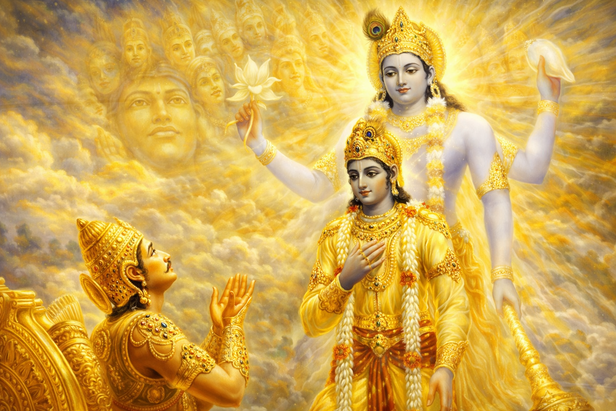
The Bhagavad Gita is not only a spiritual scripture but a practical guide for daily living. Through clear and timeless wisdom, Lord Krishna explains why human suffering exists even without war, loss, or failure. He identifies three inner habits that quietly destroy peace and clarity. Krishna calls them the three gates to hell. These gates are not physical places but harmful patterns of behavior that lead the mind toward stress, anger, and regret. Even in modern life, these teachings explain emotional conflict and broken relationships with remarkable relevance and trust.
Unchecked Desire
Desire itself is not harmful. In the Bhagavad Gita, Lord Krishna explains that desire turns destructive only when it dominates the mind. When people endlessly chase money, status, or validation, satisfaction keeps moving further away. In modern life, this appears as constant comparison, burnout, anxiety, and inner emptiness. Desire keeps asking for more and never accepts enough. Krishna teaches that peace arises when desire is guided by purpose and values. Disciplined desire supports growth, clarity, and fulfillment. Uncontrolled desire creates restlessness, confusion, and lasting suffering.
Anger That Destroys Wisdom
Krishna clearly warns that anger clouds thinking and weakens wisdom. When anger rises, intelligence falls, and wrong decisions follow. In modern life, this appears as road rage, family conflicts, and harsh online words. A small trigger often causes lasting damage. The Bhagavad Gita explains that anger is born from unfulfilled desire and unmet expectations. When life resists our wishes, anger takes control. Krishna teaches calmness, pause, and awareness. Silence, breath control, and patience protect intelligence. A calm mind preserves relationships, clarity, and long term success.
Greed That Never Rests
Greed is the habit of never feeling complete. In the Bhagavad Gita, Lord Krishna explains that greed keeps the soul restless even after success. In modern life, this appears as constant saving, endless earning, and fear of losing what we have. People may possess comfort, yet feel insecure inside. Greed blocks gratitude and weakens inner peace. The Gita teaches balance and conscious living. When needs are met with awareness, satisfaction grows naturally. Greed creates fear and anxiety, while contentment creates freedom, stability, and lasting peace rooted in self understanding.
Why Krishna Calls Them Gates
Krishna uses the word “gates” because these habits allow suffering to enter the mind. Hell is not a distant place after death. It begins within daily thoughts and reactions. Desire creates constant restlessness and dissatisfaction. Anger destroys clarity and damages relationships. Greed breeds fear and insecurity even in abundance. Together, these three habits lead to anxiety, stress, and unhappiness. The Bhagavad Gita offers practical wisdom, not fear. By cultivating awareness, discipline, and self control, these gates close naturally. When awareness leads, peace becomes a lived experience.
How to Close the Three Gates
Krishna does not only warn humanity about suffering. He offers a clear path to freedom through awareness, discipline, and self knowledge. The Bhagavad Gita explains that observing desire weakens its grip on the mind. Pausing before reacting dissolves anger and protects wisdom. Practicing gratitude slowly loosens the hold of greed. This sacred teaching is based on balance, not suppression. When consciousness rises, destructive patterns lose power. Life becomes calmer, lighter, and more meaningful through mindful living and inner clarity.
Unlock insightful tips and inspiration on personal growth, productivity, and well-being. Stay motivated and updated with the latest at My Life XP.
Frequently Asked Questions (FAQs)
What are the three gates to hell according to the Bhagavad Gita?
The Bhagavad Gita identifies desire, anger, and greed as the three gates that lead to suffering and mental downfall.
Does Krishna say desire is bad?
No. Krishna explains that uncontrolled desire causes harm. Balanced and conscious desire supports healthy living.
How does anger affect the mind?
Anger clouds judgment, weakens intellect, and leads to impulsive actions that create long term regret.
What is the solution Krishna offers?
Krishna teaches awareness, self discipline, gratitude, and self knowledge as tools to rise above these tendencies.
Is the Gita relevant in modern life?
Yes. Its teachings address stress, relationships, emotional balance, and conscious decision making in daily life.