
Why Dreams of Dead Loved Ones Feel Like Real Meetings, Not Imagination
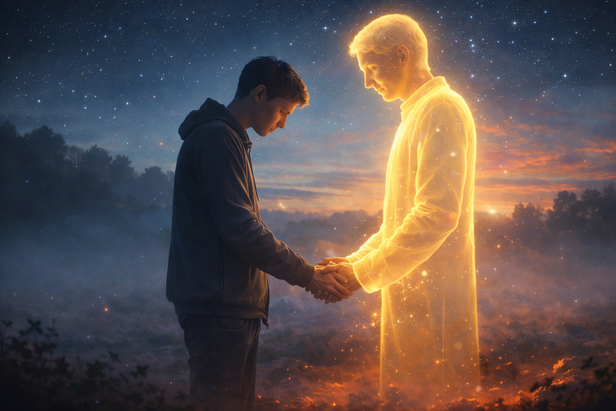
Dreams of deceased loved ones touch a deep emotional place. They arrive quietly, often when the heart feels heavy or the mind seeks comfort. Many people wake up feeling calm, confused, or overwhelmed after such dreams. Across psychology, spirituality, and ancient traditions, these dreams are seen as meaningful experiences rather than random images. Experts explain them as part of grief and healing, while spiritual belief systems view them as signs of connection beyond physical life. Understanding these dreams helps us honor emotions, process loss, and feel less alone in our journey of remembrance.
The Mind’s Way of Processing Loss
Dream experts explain that the subconscious mind uses dreams to process strong emotions. When someone we love dies, the brain continues working through shock, sadness, and unfinished feelings. Seeing the deceased in a dream allows the mind to revisit memories in a safe space. Therapists say this helps reduce emotional overload and supports healing. These dreams often appear during times of stress, anniversaries, or major life changes. They are a sign that the mind is slowly learning to live with loss while preserving emotional connection.
Unfinished Conversations and Emotional
Talking, arguing, or quietly spending time together are common themes in dreams about departed loved ones. According to psychologists, these dreams frequently represent unresolved feelings like regret, shame, longing, or unsaid love. These situations are produced by the mind to process emotions that were not fully expressed in the real world and to relieve emotional stress. Intense dreams typically indicate that the heart is still searching for resolution or insight. These dreams could grow softer and more serene as the healing process continues. They eventually assist people in achieving inner peace, accepting loss, forgiving themselves, and saying farewell emotionally.
Spiritual Beliefs and Soul Connections
Across cultures, dreams of the dead are seen as spiritual visits. In Hindu, Islamic, and indigenous traditions, these dreams are often considered messages or blessings. When the deceased appears peaceful or smiling, believers say it shows the soul is at rest. Spiritual teachers explain that the soul may appear in dreams to comfort, guide, or reassure loved ones. While science cannot prove this, the emotional peace many feel afterward makes these dreams deeply meaningful and comforting.
Common Dream Types and What They Mean
Reunion dreams show the loved one alive and present, reflecting longing and memory. Message dreams involve advice, symbolizing inner wisdom. Distressing dreams reveal unresolved grief or fear. Dreams set in the past help the mind revisit happy moments and restore emotional balance. Each type reflects where the dreamer stands in the healing process. Experts agree that the emotion felt during the dream matters more than the scene itself.
Why These Dreams Feel So Real
Dreams of deceased loved ones often feel more real than normal dreams. Neuroscientists explain this happens because emotional memories activate strong brain regions during sleep. The face, voice, and presence feel clear because the brain stores them deeply. When emotions are strong, dreams become vivid. This realism does not mean the dream is imagined lightly. It reflects the strength of emotional bonds and the mind’s effort to preserve them.
Coping and Healing Through Awareness
Keeping a dream journal helps identify emotional patterns. Writing down feelings after waking brings clarity. Meditation and mindfulness help calm emotional responses. Grief counselors recommend acknowledging the dream instead of ignoring it. Talking about the experience with a trusted person or therapist supports emotional health. These practices help transform dreams into steps toward acceptance and peace.
Honoring Love Beyond Death
Whether viewed psychologically or spiritually, dreams of deceased loved ones show that love does not disappear. They remind us of shared memories, values, and lessons. These dreams help people feel guided, protected, and connected. They teach that grief and love exist together. By honoring these dreams, we honor the bond that continues within us, shaping who we are and how we heal.
When the Heart Remembers at Night
Dreams of loved ones who have passed away are deeply personal experiences shaped by memory, emotion, and belief. Psychology explains them as healing tools of the mind, while spirituality views them as sacred connections. Both perspectives agree on one truth. These dreams help us process loss, find comfort, and remember love. In this way, they become bridges between past and present, pain and peace, memory and meaning.
Unlock insightful tips and inspiration on personal growth, productivity, and well-being. Stay motivated and updated with the latest at My Life XP.
Frequently Asked Questions (FAQs)
1. Why do dreams of dead loved ones feel so real?
These dreams activate strong emotional memory areas of the brain. Because love, grief, and attachment are deeply stored, the mind recreates voices, faces, and emotions vividly, making the experience feel like a real meeting.
2. Does dreaming of a deceased person mean they are trying to contact me?
Psychologically, it reflects emotional processing and memory. Spiritually, some believe it can feel like guidance or reassurance. The meaning often depends on personal belief and the emotions felt after waking.
3. Why do these dreams happen more during grief or stress?
During emotional vulnerability, the subconscious mind seeks comfort and familiarity. Dreams of loved ones often appear when the mind is processing loss, change, or emotional overload.
4. Is it normal to talk or argue with the deceased in dreams?
Yes. These dreams usually reflect unresolved emotions, unspoken words, or lingering guilt. The mind creates dialogue to release emotional tension and move toward closure.
5. Why do these dreams stay in memory longer than normal dreams?
Because they involve strong emotions and meaningful relationships, the brain stores them more clearly than ordinary dreams, making them easier to recall.
6. Do these dreams stop over time?
They often change rather than stop. As healing progresses, the dreams may become calmer or less frequent, reflecting emotional acceptance.