
Why Every Sadhu Has a Top Knot The Truth Revealed
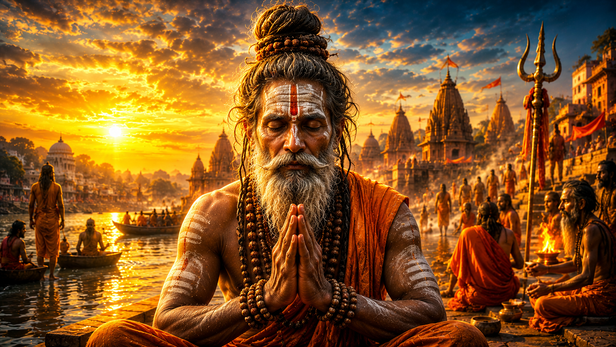
Look closely at almost any sadhu, yogi, or renunciate. You will notice one common detail. The hair tied in a bun at the top of the head. It appears so often that most people stop questioning it. But what if this is not merely a hairstyle? What if it is connected to an ancient understanding of energy, awareness, and spiritual discipline? For centuries, yogic traditions have viewed this point on the head as one of the most significant places in the human body. And the reason may surprise you.
The Spot That Ancient Yogis Considered Sacred
According to yogic teachings, the crown of the head is linked to what is known as the Brahmarandhra. Ancient texts and spiritual traditions describe it as a subtle gateway connected to higher consciousness. This area is also associated with the Sahasrara Chakra, often called the Crown Chakra. While modern science does not confirm these spiritual concepts, they remain deeply respected within yogic philosophy. For spiritual seekers, the crown represents connection, awakening, and transcendence. This belief forms the foundation for many practices, including the tradition of tying hair in a bun at this specific location.
Why the Crown of the Head Holds Special Importance
Many spiritual traditions describe the crown as the meeting point between individual consciousness and universal awareness. It is believed that advanced meditation practices activate deeper states of perception through this center. Because of this symbolism, yogis treat the area with special care and reverence. The top knot became a visible reminder of this sacred connection. Rather than focusing on appearance, the practice emphasizes awareness. Every time a seeker ties the hair, it serves as a reminder of the spiritual journey and the pursuit of inner growth.
The Idea of Conserving Spiritual Energy
One traditional explanation suggests that tying the hair helps maintain concentration and symbolic energy. In yogic thought, years of meditation, chanting, and spiritual discipline gradually cultivate inner awareness. The top knot represents the preservation of that effort. While there is no scientific evidence that energy physically escapes through the hair, the symbolism remains powerful. Spiritual practices often use physical actions to reinforce mental states. Just as a uniform reminds a soldier of duty, the bun reminds the yogi of discipline, commitment, and the importance of remaining focused on the spiritual path.
More Than a Tradition, It Is a Daily Reminder
Spiritual growth is built through daily habits rather than occasional inspiration. The act of tying the hair before meditation becomes part of a larger routine. It signals that the mind is shifting from ordinary concerns to spiritual practice. Similar rituals exist across many cultures and faiths. Whether lighting a lamp, ringing a bell, or sitting in a specific posture, these actions help create a mental transition. The top knot serves the same purpose. It becomes a physical anchor that reminds practitioners of their deeper goals and responsibilities.
The Connection to Long-Term Sadhana
Many yogis dedicate decades to meditation, self-discipline, and self-inquiry. Such a path requires immense focus. The top knot symbolizes the commitment required for this journey. It reflects the idea that spiritual progress is not achieved overnight but through years of dedicated effort. Every aspect of a sadhu's lifestyle is designed to support that objective. The bun becomes a visible expression of a deeper promise a commitment to remain steady despite distractions, challenges, or changing circumstances. It represents perseverance more than appearance.
What Modern Seekers Can Learn From This Practice
You do not need to become a sadhu to learn from this tradition. The deeper lesson is about protecting your focus. Modern life constantly pulls attention in countless directions. Ancient yogis understood the value of preserving mental energy and directing it toward meaningful goals. Whether through meditation, prayer, journaling, or mindfulness, everyone can create practices that strengthen awareness. The top knot reminds us that growth requires intention. It encourages us to be conscious of where our attention goes and what we choose to cultivate each day.
The Symbol Hidden in Plain Sight
To many people, the sadhu's bun is simply a hairstyle. To spiritual seekers, it represents something much deeper. It symbolizes discipline, awareness, commitment, and the pursuit of higher understanding. Whether viewed through the lens of faith, symbolism, or tradition, the practice continues to inspire curiosity because it points toward a timeless truth. The greatest journeys begin within. And sometimes the smallest symbols carry the deepest meanings.
Unlock insightful tips and inspiration on personal growth, productivity, and well-being. Stay motivated and updated with the latest at My Life XP.
Frequently Asked Questions (FAQs)
1. Why do most sadhus tie their hair in a bun?
Many sadhus tie their hair in a bun, or jooda, as part of a long-standing spiritual tradition. It symbolizes discipline, renunciation, and dedication to the path of meditation and self-realization.
2. What is Brahmarandhra in yogic philosophy?
Brahmarandhra is described in yogic traditions as a subtle spiritual point located at the crown of the head. It is believed to be associated with higher consciousness and spiritual awakening.
3. Isthe sadhu's bun connected to the Sahasrara Chakra?
Yes. Many yogic teachings associate the top knot with the Sahasrara (Crown Chakra), which is considered the center of spiritual awareness and divine connection.
4. Why is the crown of the head considered important in spirituality?
Ancient spiritual traditions regard the crown as a sacred point representing the connection between individual consciousness and the universal divine. It is often linked to advanced states of meditation and self-awareness.
5. Do sadhus believe the bun helps preserve spiritual energy?
Some yogic traditions teach that tying the hair at the crown helps symbolically preserve spiritual focus and energy cultivated through years of meditation and spiritual practice.