
Why Experts Fear India’s Toughest Economic Phase Yet
A single statement from banker Uday Kotak has suddenly sparked fear across India’s business and financial circles. “The shock is coming,” he warned while speaking about the growing Iran conflict and India’s dangerous dependence on imported oil. At first, it sounded like just another economic caution. But when India’s top industrialists, policymakers, and oil experts started echoing the same concern, people began asking a serious question: Is India heading toward a financial storm bigger than most people realize? And if it happens, ordinary families could feel the impact first.
The Warning That Changed the Mood at CII
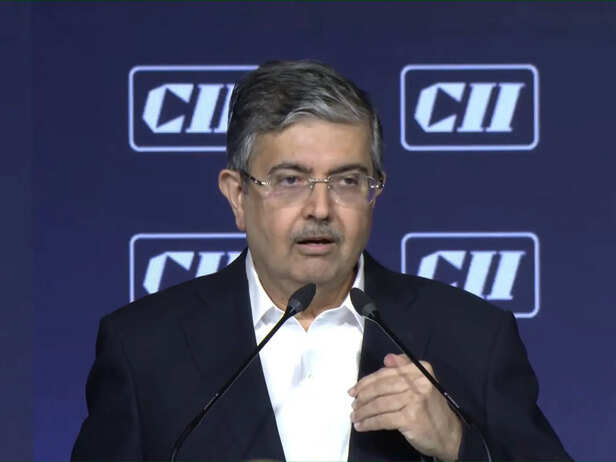
When Uday Kotak addressed the CII summit, his words immediately grabbed attention across the financial world. He backed Prime Minister Narendra Modi’s call for financial discipline and warned Indians against “living beyond their means.” But what truly shocked listeners was his repeated warning about an incoming global economic shock linked to rising tensions involving Iran. Kotak explained that India’s economy remains deeply vulnerable because of its heavy dependence on imported crude oil. According to him, the crisis is far bigger than it currently appears. His message was simple but alarming India must prepare now before global instability begins directly affecting households and businesses nationwide.
Why India’s Oil Dependence Is Becoming Dangerous
India’s biggest economic weakness during global conflicts is oil dependency. More than 85 percent of the country’s crude oil needs come from foreign suppliers, especially regions affected by geopolitical tensions. If supply routes are disrupted or oil prices surge suddenly, India could face inflation spikes, rising transport costs, and pressure on the rupee. Everyday essentials would become more expensive almost overnight. Kotak warned that many people still underestimate how deeply oil prices affect household budgets. From food delivery to electricity and travel, nearly every sector depends indirectly on fuel prices. That is why even a distant war can quietly impact millions of Indian families.
The Silent Crisis Fuel Companies Are Already Facing
Union Petroleum Minister Hardeep Singh Puri revealed another worrying detail during the summit. According to him, government-owned oil marketing companies are already facing losses of nearly Rs 1,000 crore per day to protect consumers from sudden fuel price hikes. Crude oil prices reportedly jumped from around $65 to nearly $115 per barrel in a short period. Despite the pressure, fuel supply has remained stable so far. But experts fear this may not remain sustainable for long. If global tensions continue rising, oil companies may eventually struggle to absorb the burden, forcing fuel prices higher and increasing pressure on ordinary citizens.
Why Experts Want Indians to Spend Carefully Now
Kotak’s advice was not just for businesses or policymakers. His message directly targeted everyday spending habits. He warned that periods of global uncertainty require people to avoid unnecessary consumption and prepare financially for sudden shocks. Rising fuel prices usually trigger a chain reaction groceries become costlier, transportation expenses rise, and monthly savings begin shrinking. Experts believe households with weak savings could face the biggest stress if inflation increases rapidly. That is why financial caution is suddenly becoming a national conversation. The idea is not to create panic, but to build resilience before economic pressure reaches middle-class homes across the country.
The Bigger Fear Nobody Wants to Say Loudly
The real fear goes beyond petrol prices. Financial experts worry that a prolonged West Asia conflict could trigger global market instability, weaken currencies, disrupt trade routes, and increase inflation worldwide. Kotak’s phrase “prepare for paranoia before the event” reflected concern that countries often react too late after crises begin. India has managed several global shocks before, but the current situation feels unusually uncertain because energy security sits at the center of the risk. If the Iran conflict escalates further, the effects may not remain limited to oil markets. It could eventually influence jobs, investments, consumer confidence, and overall economic growth.
Unlock insightful tips and inspiration on personal growth, productivity, and well-being. Stay motivated and updated with the latest at My Life XP.
Frequently Asked Questions (FAQs)
Why did Uday Kotak warn about an economic shock?
He warned that rising tensions involving Iran and global oil instability could seriously affect India’s economy because of its dependence on imported crude oil.
How much oil does India import?
India imports more than 85 percent of its crude oil requirements from overseas markets.
Why can fuel prices rise during global conflicts?
Wars and geopolitical tensions can disrupt oil supplies, causing crude prices to increase sharply worldwide.
What did PM Modi advise citizens?
Prime Minister Modi urged people to practice financial discipline and avoid excessive consumption during uncertain global conditions.
How could ordinary Indians be affected?
Higher fuel prices can increase transportation, grocery, electricity, and daily living costs, putting pressure on household budgets.