
Why Ganesha Never Grew Up and What That Reveals About Your Inner Child
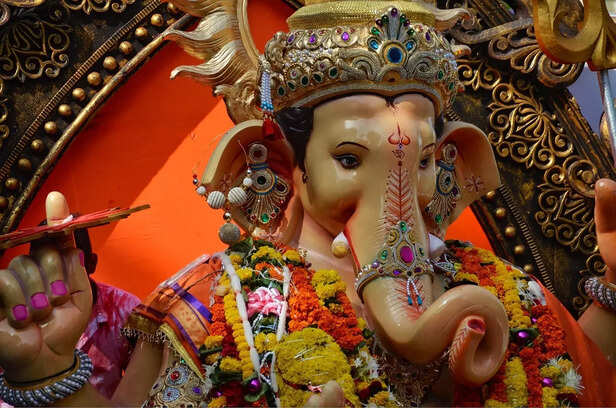
Lord Ganesha is worshipped as the remover of obstacles, yet he is always shown in a childlike form. This is a deep and intentional message in Indian mythology. Ganesha never growing into adulthood teaches that true wisdom does not come from age, power, or seriousness, but from innocence, clarity, and emotional balance. Ancient scriptures and spiritual traditions explain that a pure heart understands life better than a restless mind. From lived cultural experience and trusted mythological texts, Ganesha’s form reminds us to stay humble, curious, and emotionally aware. Reconnecting with our inner child helps reduce stress, improve focus, and live a calmer, wiser, and more meaningful life.
Ganesha’s Child Form Has a Purpose
Lord Ganesha’s childlike form carries a deep spiritual message rooted in Indian mythology. Wisdom, as shown by Ganesha, does not depend on age or arrogance. Like a child, true learning begins with curiosity, humility, and fearlessness. Ancient texts and devotional traditions describe Ganesha as the embodiment of awareness that grows through openness, not ego. From lived spiritual practice and scholarly interpretation, it is understood that humility clears mental blocks. When we remain eager to learn and free from pride, challenges lose their power. Ganesha’s role as the remover of obstacles reflects this truth. Inner innocence strengthens clarity, emotional balance, and lifelong wisdom.
Innocence Is Strength, Not Weakness
Ganesha’s love for simple joys like sweets and play carries a deep life lesson. True happiness does not come from control, pressure, or constant achievement. It comes from innocence and emotional balance. Ancient scriptures and lived spiritual practice show that childlike joy strengthens the mind and heart. People who protect their inner child manage stress more calmly, heal faster from emotional pain, and stay hopeful during difficulties. Psychological studies also support this wisdom, linking playfulness with resilience and mental health. Ganesha’s example teaches that simplicity builds strength. When life is faced with curiosity and lightness, even small moments become sources of peace, clarity, and lasting inner happiness.
Ego Grows with Age, Wisdom Does Not
Unlike many gods, Lord Ganesha never displays pride, and his eternal child form symbolizes complete freedom from ego. Indian mythology and spiritual teachings explain that ego grows when innocence fades and self-importance takes control. Ganesha’s childlike nature represents humility, openness, and emotional balance. By nurturing a childlike heart, people naturally reduce anger, jealousy, and fear, which are the root causes of mental stress. Spiritual scholars and ancient texts emphasize that clarity of thought arises from humility, not dominance. Practicing this wisdom in daily life leads to calmer decision making, healthier relationships, and inner stability. Ganesha’s symbolism reminds us that true intelligence flows from innocence, awareness, and self-control, making this lesson timeless and deeply practical.
Inner Child and Emotional Healing
The concept of the inner child holds deep emotional truth in both psychology and Indian mythology. Lord Ganesha’s childlike form represents the emotions we often hide or ignore as we grow older. His presence reminds us to acknowledge feelings rather than suppress them. When emotions are accepted with patience and gentleness, true healing begins. This wisdom explains why Ganesha is worshipped before new beginnings, as emotional clarity helps remove inner obstacles. Drawing from traditional belief and lived spiritual practice, this teaching remains relevant today. Emotional balance strengthens decision making, improves relationships, and clears the mental path toward growth, stability, and lasting inner peace.
What Ganesha Teaches Modern Life
Modern life moves fast and often rewards seriousness, but Indian mythology offers a deeper balance through Lord Ganesha. As per traditional scriptures and lived spiritual understanding, Ganesha represents wisdom rooted in innocence. Staying playful does not mean avoiding responsibility. It means remaining flexible in thought, creative in action, and honest with emotions. Experience shows that people who protect their inner child handle stress better and adapt more easily to change. Experts in psychology also link creativity and emotional honesty with resilience. Trustworthy wisdom, both ancient and modern, confirms that inner balance builds confidence. Ganesha’s teaching reminds us that growth happens best when wisdom and innocence walk together.
Unlock insightful tips and inspiration on personal growth, productivity, and well-being. Stay motivated and updated with the latest at My Life XP
Frequently Asked Questions (FAQs)
Why is Lord Ganesha shown in a childlike form?
Lord Ganesha’s childlike form symbolizes innocence, humility, and wisdom without ego. Indian mythology teaches that true intelligence comes from purity of heart and openness to learning, not from age or authority.
What does Ganesha teach about the inner child?
Ganesha teaches that protecting the inner child helps maintain emotional honesty, creativity, and balance. This inner innocence allows people to handle stress, adapt to change, and make thoughtful decisions.
Does being playful mean being irresponsible?
No. Being playful means staying flexible, curious, and emotionally aware. It does not reject responsibility but encourages handling duties with clarity, calmness, and creativity.
How is Ganesha relevant to modern life?
In a fast and demanding world, Ganesha’s teachings remind us to balance seriousness with joy. This balance improves mental resilience, problem-solving, and emotional well-being