Why Hinduism Respected Third Gender Long Ago
Noopur Kumari | Tue, 14 Apr 2026
Ancient India recognized third gender individuals as “Tritiya Prakriti,” a respected identity, not an insult. They played meaningful roles in society, governance, and even in great epics. Figures like Shikhandi were crucial in shaping history. Over time, this respect faded, replaced by misunderstanding and discrimination. This article explores that shift how a once-honored identity became marginalized, and what we can learn from the past to build a more respectful and aware society today.

Third Gender in Hindu Epics
Image credit : CHATGPT(AI)
There is a truth hidden in plain sight one that challenges how society thinks today. The same people who are mocked and disrespected in modern times were once honored, trusted, and deeply valued. In ancient Indian traditions and texts like the Mahabharata and Ramayana, third gender individuals were not outsiders. They were seen, respected, and even powerful. So what changed? How did respect turn into rejection? The answer reveals more about society than we realize.
![Identity With Dignity]()
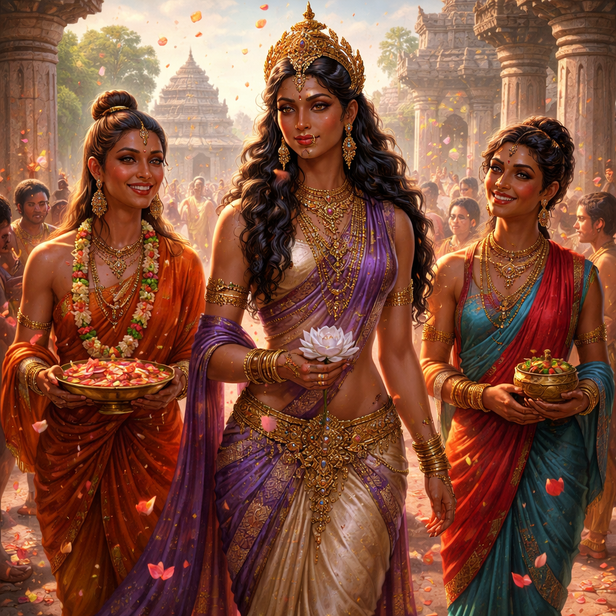
In ancient India, third gender individuals were not seen as abnormal or lesser. They were recognized as “Tritiya Prakriti,” a natural and respected identity. This acceptance shows a level of social awareness that feels missing today. Instead of exclusion, there was inclusion. People understood that human identity is diverse and cannot be limited to rigid categories. This perspective allowed third gender individuals to live with dignity and purpose, something that modern society is still struggling to fully restore.
![A Decisive Role in Battle]()
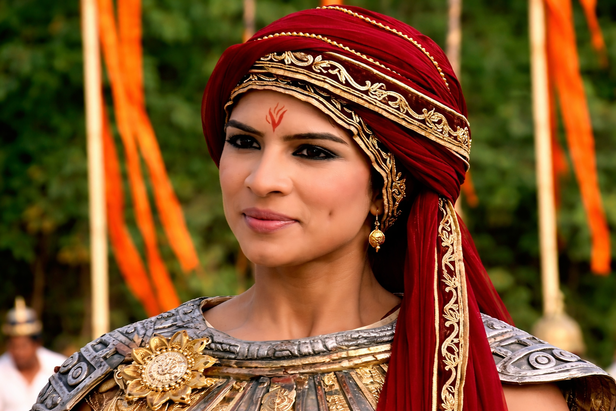
One of the most powerful examples comes from Shikhandi. In the Mahabharata, Shikhandi played a crucial role in the fall of Bhishma, one of the greatest warriors. Without Shikhandi, the outcome of the war could have been very different. This story highlights something important capability was valued over identity. It shows that strength, intelligence, and purpose were what truly mattered, not gender labels.
![Waiting With Devotion]()
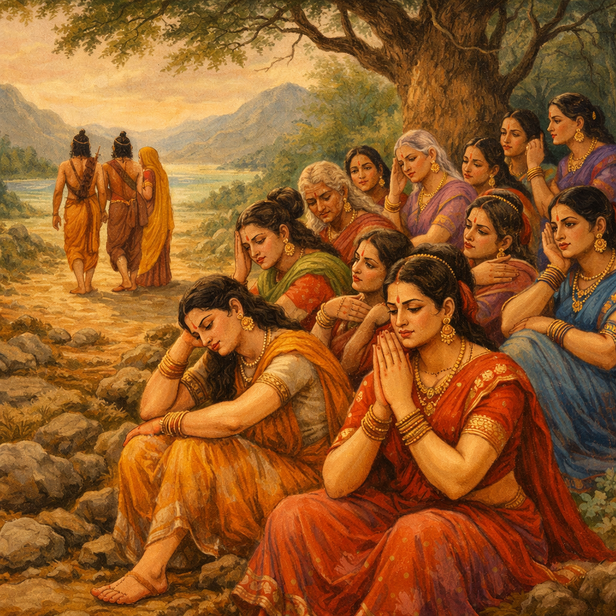
In the Ramayana, there is a story where third gender individuals wait for years for Rama to return from exile. Their devotion and patience deeply moved him. As a blessing, it is believed that their words and presence would always carry auspicious energy. Even today, this belief continues in traditions where their blessings are considered meaningful during important life events. This reflects a deep-rooted respect that has survived despite changing times.
Beyond epics, historical records suggest that third gender individuals held important roles in administration, politics, and even military leadership in certain periods. They were trusted advisors and decision-makers. This shows that society once valued their intelligence and abilities. Their contributions were not limited they were actively shaping systems and influencing outcomes. This historical reality challenges modern assumptions and invites us to rethink what inclusion truly means.
Over time, his respect began to fade. Social structures changed, and with them came rigid norms and misunderstandings. What was once accepted became marginalized. Language turned from respectful to insulting. This shift did not happen overnight it grew slowly through ignorance and fear. Today, many people use words as insults without knowing their history. This disconnect between past wisdom and present behavior is where the real problem lies.
The past offers a clear lesson respect was always part of the foundation. The problem is not with tradition, but with how it is misunderstood today. If society truly wants to move forward, it must reconnect with these values. Respect, dignity, and equality are not new ideas they were always there. The change begins with awareness, with understanding, and with choosing language and behavior that reflects humanity, not judgment.
The real question is not what ancient texts say it is what we choose to follow. A society that once respected diversity now struggles to accept it. The stories are still there, the lessons are still clear. The only thing missing is awareness. If respect existed before, it can exist again. But it begins with a simple shift seeing people not through labels, but through humanity.
Unlock insightful tips and inspiration on personal growth, productivity, and well-being. Stay motivated and updated with the latest at My Life XP.
1. What does “third gender” mean in ancient Indian context?
In ancient Indian thought, the third gender was referred to as “Tritiya Prakriti,” meaning a natural and recognized identity beyond male and female. It was not seen as abnormal but as part of human diversity, with social and cultural acceptance in many contexts.
2. Were third gender individuals respected in ancient texts?
Yes, texts like the Mahabharata and Ramayana include characters and references that show respect and importance. Figures like Shikhandi played crucial roles, highlighting their significance in key events.
3. Why is there discrimination today if there was respect earlier?
Over time, social structures and beliefs changed. Misunderstandings, rigid norms, and lack of awareness led to discrimination. The original inclusive perspective was gradually replaced by narrow thinking.
4. Is the belief about blessings from the community still followed?
Yes, in many parts of India, people still believe that blessings from the third gender community are auspicious, especially during weddings and childbirth ceremonies. This reflects a continuing cultural connection to older traditions.
5. Did third gender individuals have roles beyond religion?
Historically, they were also involved in administration, advisory roles, and even positions of influence in certain kingdoms. Their contributions were valued beyond just spiritual or cultural spaces.
A Recognized Identity, Not an Insult
Identity With Dignity
Image credit : CHATGPT(AI)
In ancient India, third gender individuals were not seen as abnormal or lesser. They were recognized as “Tritiya Prakriti,” a natural and respected identity. This acceptance shows a level of social awareness that feels missing today. Instead of exclusion, there was inclusion. People understood that human identity is diverse and cannot be limited to rigid categories. This perspective allowed third gender individuals to live with dignity and purpose, something that modern society is still struggling to fully restore.
The Warrior Who Changed a War
A Decisive Role in Battle
Image credit : ChatGPT(AI)
One of the most powerful examples comes from Shikhandi. In the Mahabharata, Shikhandi played a crucial role in the fall of Bhishma, one of the greatest warriors. Without Shikhandi, the outcome of the war could have been very different. This story highlights something important capability was valued over identity. It shows that strength, intelligence, and purpose were what truly mattered, not gender labels.
A Blessing That Still Lives On
Waiting With Devotion
Image credit : CHATGPT(AI)
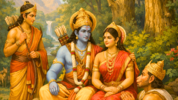
In the Ramayana, there is a story where third gender individuals wait for years for Rama to return from exile. Their devotion and patience deeply moved him. As a blessing, it is believed that their words and presence would always carry auspicious energy. Even today, this belief continues in traditions where their blessings are considered meaningful during important life events. This reflects a deep-rooted respect that has survived despite changing times.
Power and Responsibility in History
The Shift From Respect to Rejection
What Society Needs to Understand Today
The Truth That Demands Reflection
Unlock insightful tips and inspiration on personal growth, productivity, and well-being. Stay motivated and updated with the latest at My Life XP.
Frequently Asked Questions (FAQs)
In ancient Indian thought, the third gender was referred to as “Tritiya Prakriti,” meaning a natural and recognized identity beyond male and female. It was not seen as abnormal but as part of human diversity, with social and cultural acceptance in many contexts.
2. Were third gender individuals respected in ancient texts?
Yes, texts like the Mahabharata and Ramayana include characters and references that show respect and importance. Figures like Shikhandi played crucial roles, highlighting their significance in key events.
3. Why is there discrimination today if there was respect earlier?
Over time, social structures and beliefs changed. Misunderstandings, rigid norms, and lack of awareness led to discrimination. The original inclusive perspective was gradually replaced by narrow thinking.
4. Is the belief about blessings from the community still followed?
Yes, in many parts of India, people still believe that blessings from the third gender community are auspicious, especially during weddings and childbirth ceremonies. This reflects a continuing cultural connection to older traditions.
5. Did third gender individuals have roles beyond religion?
Historically, they were also involved in administration, advisory roles, and even positions of influence in certain kingdoms. Their contributions were valued beyond just spiritual or cultural spaces.