Why Hindus Avoid Looking Back After Cremation
Noopur Kumari | Jun 03, 2026, 16:00 IST
Almost everyone has heard the advice: after leaving a cremation ground, never look back. Many follow this tradition without knowing why. But according to ancient beliefs described in the Garuda Purana, this practice carries a profound spiritual meaning. It is not merely a ritual—it symbolizes the final farewell between the departed soul and the world it once knew. The deeper meaning behind this custom reveals a touching message about attachment, acceptance, and letting go.

Why do elders insist that we should never look back after a funeral? For many people, it seems like just another tradition passed down through generations. Yet behind this simple act lies a belief that has survived for centuries. According to the Garuda Purana, the journey of a soul does not end when the funeral fire is lit. In fact, it is believed to be the beginning of another path. And this is where one small action turning back takes on a much deeper meaning.
![A Soul's Final Farewell]()
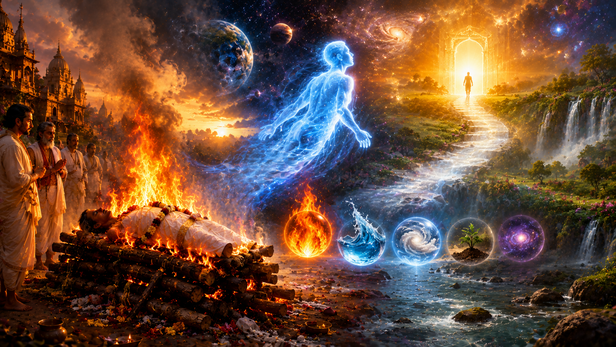
According to Hindu beliefs, death is not considered the end of existence. The physical body returns to the five elements of nature, while the soul continues its journey. The cremation ground symbolizes the point where one chapter closes and another begins. This transition is regarded as sacred and significant. The rituals performed during and after the cremation are meant to help the soul move forward peacefully. Every action taken by the family carries symbolic meaning, including the act of leaving the cremation ground without looking back.
![The Meaning Behind Not Turning Around]()
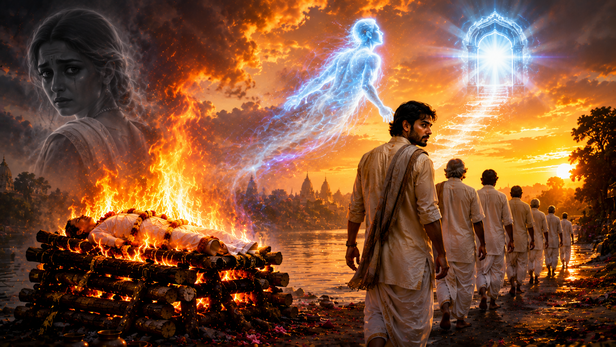
Ancient scriptures suggest that attachment is one of the strongest forces binding a soul to worldly existence. It is believed that some souls may remain emotionally connected to family members, unfinished desires, or familiar places. Looking back after the cremation is symbolically seen as holding onto that connection. By continuing to walk forward, family members communicate a silent message that the soul is free to continue its journey. The ritual is less about fear and more about encouraging acceptance and spiritual release.
![The Invisible Threads of Attachment]()
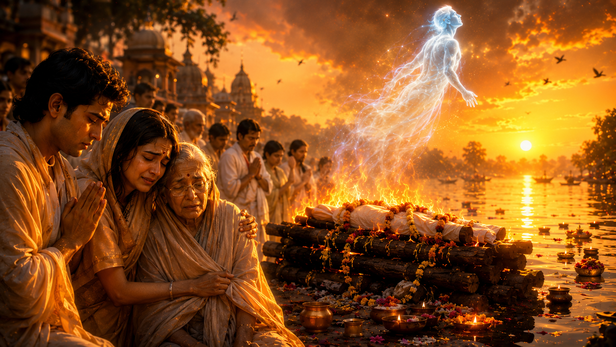
The Garuda Purana describes how strong emotional bonds can influence the soul's transition. Families naturally experience grief and longing after losing a loved one. However, many traditions teach that excessive attachment may make it harder to accept the reality of separation. The act of not looking back serves as a symbolic gesture of love combined with detachment. It expresses the belief that true affection includes allowing a loved one to move toward their next destination without being held back by earthly emotions.
Many ancient customs contain lessons that extend beyond religious practice. This tradition reminds us that life constantly requires us to let go of people, situations, and phases that have ended. While grief is natural, healing begins when acceptance follows sorrow. The symbolism of walking away without turning around reflects a universal truth: some journeys require moving forward even when the heart wants to stay behind. This lesson resonates with people across generations because it speaks directly to the human experience of loss.
India's cultural diversity means funeral customs vary widely between communities and regions. While many families follow the practice of not looking back, the reasons may differ. Some see it as a spiritual guideline, others view it as a symbolic farewell, and some simply follow family tradition. Despite these variations, the underlying theme remains remarkably consistent: helping the departed soul move forward while encouraging the living to accept the transition with dignity and peace.
Beyond spiritual interpretations, this custom also carries psychological significance. Funerals are emotionally overwhelming experiences. Rituals provide structure and help people process difficult emotions. The act of walking forward without turning back can serve as a powerful mental transition. It marks a clear boundary between the final goodbye and the beginning of healing. In this way, an ancient tradition continues to offer emotional guidance even in modern times, helping families cope with loss and change.
At its heart, this custom is not about fear, superstition, or punishment. It is about love expressed through release. It teaches that honoring someone does not mean holding them back. Instead, it means wishing them peace on their journey while finding the strength to continue your own. The tradition encourages both the living and the departed to move forward. That simple act of not looking back becomes one final gesture of respect, acceptance, and hope.
Unlock insightful tips and inspiration on personal growth, productivity, and well-being. Stay motivated and updated with the latest at My Life XP.
1. Why should people not look back after leaving a cremation ground?
According to traditional beliefs, it symbolizes allowing the departed soul to continue its journey without attachment to the earthly world.
2. Is this rule mentioned in the Garuda Purana?
The belief is commonly associated with interpretations of teachings found in the Garuda Purana regarding death, attachment, and the soul's journey.
3. Does looking back bring bad luck?
Traditional beliefs focus more on symbolism and attachment rather than bad luck. Interpretations vary across communities.
4. What happens to the soul after death according to Hindu beliefs?
It is believed that the body returns to the five elements while the soul continues its spiritual journey.
5. Is this practice followed everywhere in India?
No. Funeral customs differ among regions, communities, and family traditions.
The Moment When a Journey Changes
A Soul's Final Farewell
According to Hindu beliefs, death is not considered the end of existence. The physical body returns to the five elements of nature, while the soul continues its journey. The cremation ground symbolizes the point where one chapter closes and another begins. This transition is regarded as sacred and significant. The rituals performed during and after the cremation are meant to help the soul move forward peacefully. Every action taken by the family carries symbolic meaning, including the act of leaving the cremation ground without looking back.
Why Looking Back Became a Powerful Symbol
The Meaning Behind Not Turning Around
Ancient scriptures suggest that attachment is one of the strongest forces binding a soul to worldly existence. It is believed that some souls may remain emotionally connected to family members, unfinished desires, or familiar places. Looking back after the cremation is symbolically seen as holding onto that connection. By continuing to walk forward, family members communicate a silent message that the soul is free to continue its journey. The ritual is less about fear and more about encouraging acceptance and spiritual release.
The Emotional Bond Between Souls and Families
The Invisible Threads of Attachment
The Garuda Purana describes how strong emotional bonds can influence the soul's transition. Families naturally experience grief and longing after losing a loved one. However, many traditions teach that excessive attachment may make it harder to accept the reality of separation. The act of not looking back serves as a symbolic gesture of love combined with detachment. It expresses the belief that true affection includes allowing a loved one to move toward their next destination without being held back by earthly emotions.
More Than a Ritual A Lesson in Letting Go
How Different Communities Interpret This Belief
The Psychological Wisdom Hidden in Tradition
The Real Message Behind the Tradition
Unlock insightful tips and inspiration on personal growth, productivity, and well-being. Stay motivated and updated with the latest at My Life XP.
Frequently Asked Questions (FAQs)
According to traditional beliefs, it symbolizes allowing the departed soul to continue its journey without attachment to the earthly world.
2. Is this rule mentioned in the Garuda Purana?
The belief is commonly associated with interpretations of teachings found in the Garuda Purana regarding death, attachment, and the soul's journey.
3. Does looking back bring bad luck?
Traditional beliefs focus more on symbolism and attachment rather than bad luck. Interpretations vary across communities.
4. What happens to the soul after death according to Hindu beliefs?
It is believed that the body returns to the five elements while the soul continues its spiritual journey.
5. Is this practice followed everywhere in India?
No. Funeral customs differ among regions, communities, and family traditions.