
Why India And UAE Are Building A Hidden Super Corridor
The world is entering one of its most unstable and unpredictable periods in decades. Wars are intensifying across the Middle East, global shipping routes remain under threat, and even a single attack near the Strait of Hormuz can shake fuel prices and economies worldwide within hours. As many nations struggle to react to this growing uncertainty, India and the UAE are quietly building something far more powerful behind the scenes. This is no longer just a diplomatic relationship based on oil and trade. Together, they are creating a strategic corridor built around energy, ports, defence, artificial intelligence, investment, and global influence that could reshape Asia’s future for generations.
The Strait That Controls Half The World’s Energy
Every day, millions of barrels of oil pass through the Strait of Hormuz, one of the world’s most dangerous chokepoints. India depends heavily on this route because nearly 90 percent of its crude oil is imported. A conflict involving Iran, Israel, or the United States could disrupt supplies overnight and severely impact the Indian economy. This is why India and the UAE are working together on strategic oil storage and energy security. By building reserves outside risky zones, both countries are preparing for a future where energy security may decide which economies stay stable during global crises.
Modi’s UAE Visit Was Bigger Than Diplomacy
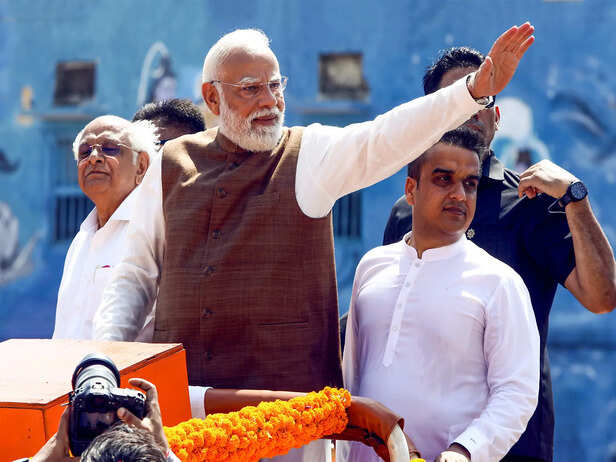
For decades, India’s relationship with Gulf nations mostly revolved around oil and Indian workers abroad. But today, that equation is rapidly changing. Prime Minister Narendra Modi’s UAE visit revealed a much deeper partnership involving defence, artificial intelligence, shipping, investment, and digital trade. This is no longer routine diplomacy. Both countries are building a long-term strategic alliance designed to reduce risks in an unstable world. The agreements signed during the visit show that India and the UAE now see each other as essential partners in shaping the future economy and security landscape of Asia and the Middle East.
The Silent Maritime Battle Happening In Asia
China spent years building ports and maritime influence across Asia through projects like Gwadar and Hambantota. India remained behind in this strategic race for a long time. Now that is changing. India and the UAE are jointly developing ship repair hubs, digital trade corridors, and port infrastructure that could transform India into a major maritime power. These projects are not just commercial investments. They are geopolitical tools. Whoever controls shipping routes and logistics networks controls trade, influence, and regional stability. India and the UAE understand this reality, and they are moving quickly before the balance of power shifts even further.
The AI Partnership Nobody Expected
One of the most surprising developments from the India-UAE partnership is artificial intelligence. While the world focuses on the AI competition between America and China, India and the UAE are quietly building their own technology corridor. Massive investments in supercomputers, cloud systems, and AI infrastructure show that both countries want technological independence. The UAE brings enormous financial power and aggressive AI ambitions. India brings engineering talent and one of the world’s fastest-growing tech ecosystems. Together, they could emerge as a new global AI force outside the traditional superpower rivalry dominating today’s technology landscape.
Why Global Powers Are Watching This Carefully
The Middle East is changing faster than most people realize. Iran tensions continue rising. Israel is building deeper security ties with Gulf nations. China is expanding across the Indian Ocean. America’s long-standing dominance in the region no longer feels guaranteed. In this unstable environment, India and the UAE are creating a partnership based on resilience and shared strategic interests. Defence cooperation, secure communication systems, maritime security, and investment agreements are all part of this larger plan. Global powers understand that this corridor could eventually become one of the most influential economic and geopolitical partnerships of the next decade.
Unlock insightful tips and inspiration on personal growth, productivity, and well-being. Stay motivated and updated with the latest at My Life XP.
Frequently Asked Questions (FAQs)
1. Why is the India-UAE partnership becoming so important?
The India-UAE partnership is expanding beyond oil and trade into defence, artificial intelligence, infrastructure, shipping, and technology. Both countries are building a long-term strategic alliance to strengthen economic security and global influence.
2. Why is the Strait of Hormuz important for India?
The Strait of Hormuz is one of the world’s most critical oil routes. A large portion of India’s imported crude oil passes through this narrow waterway, making it extremely important for India’s energy security and economy.
3. What is the main goal behind India and UAE’s new corridor?
The goal is to create a resilient partnership that protects both countries from global instability, supply chain disruptions, energy risks, and geopolitical tensions while increasing economic and technological power.
4. How are India and the UAE cooperating in artificial intelligence?
Both nations are investing in AI infrastructure, supercomputers, cloud systems, and advanced technology projects. India provides engineering talent, while the UAE contributes major investments and technological ambition.
5. Why are global powers closely watching this alliance?
The partnership has strategic importance in energy security, maritime trade, defence cooperation, and AI development. It could reshape power dynamics across Asia and the Middle East in the coming years.