
Why Indian Brides Never Skip These Bangles: 8 Regional Traditions Explained
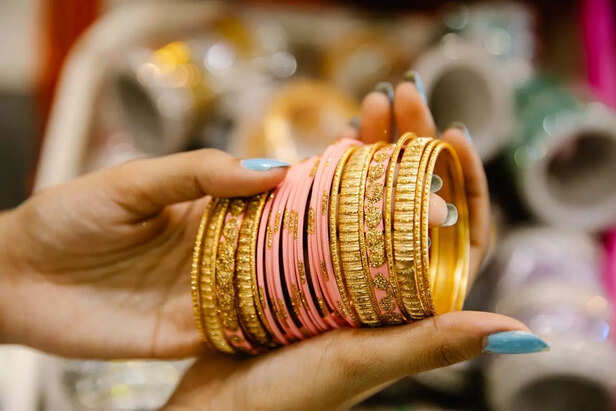
In India, bangles are much more than mere ornaments. They hold cultural significance, spiritual blessings, and centuries of tradition. Worn during weddings, festivals, and daily rituals, bangles reflect a woman’s identity and her life journey. Each region of India has unique bangle styles, materials, and designs, from ivory and gold to glass and lac, representing local heritage and beliefs. Bangles symbolize prosperity, protection, and marital happiness while also connecting generations through shared customs. Wearing them is a way of honoring tradition, invoking positive energy, and celebrating Indian artistry, making bangles a timeless emblem of culture and devotion.
Shakha and Pola: West Bengal
Bengali brides traditionally wear white conch shell bangles called Shakha along with red Pola bangles. These bangles are not just ornaments but carry deep cultural and spiritual significance. Shakha represents purity and clarity, while Pola symbolizes strength and prosperity. Wearing them daily is considered a mark of marital status and a prayer for the long life and well-being of the husband. These bangles are gifted by family members and are an integral part of wedding rituals. Over generations, Shakha and Pola have become a symbol of Bengali heritage, devotion, and the enduring bond between husband and wife.
Kadagas : Karnataka
Kodava brides in Karnataka traditionally wear hollow gold bangles called Kadagas, often decorated with rubies. These exquisite bangles are more than ornaments; they represent royalty, courage, and pride in ancestral heritage. Kadagas are typically worn during pre-wedding ceremonies, symbolizing the bride’s readiness to embrace her new life while honoring her family traditions. The intricate craftsmanship and choice of precious stones reflect both cultural richness and artistic excellence. Wearing Kadagas connects the bride to generations of Kodava heritage, preserving customs while highlighting personal elegance. This practice showcases India’s deep cultural roots and the symbolic power of traditional jewellery in weddings.
Ivory Chooda : Gujarat
In Gujarat, brides are traditionally gifted ivory chooda bangles by their maternal uncle. These bangles hold deep cultural and emotional significance, symbolising the beginning of married life and the blessings of family. The chooda is carefully worn during wedding ceremonies and often paired with other traditional ornaments to complete the bridal ensemble. Beyond being decorative, these bangles represent prosperity, protection, and the continuation of family traditions. Wearing the chooda with pride connects the bride to her roots and heritage. This practice has been passed down through generations, reflecting the rich cultural tapestry of Gujarat and the importance of familial bonds.
Red and Ivory Chooda: Punjab
Punjabi brides traditionally wear red and ivory choodas for weeks after their wedding. These bangles are gifted by the maternal uncle and are considered a symbol of joy, prosperity, and marital bliss. The red color represents energy and fertility, while the ivory signifies purity and stability. Wearing the chooda during the early days of marriage is believed to bring blessings from elders and protection for the couple. Beyond tradition, these bangles reflect Punjabi culture, family bonds, and the continuity of customs. They are carefully preserved and cherished as an important part of a bride’s identity and heritage.
Green Bangles with Patlya : Maharashtra
Green glass bangles are a significant part of Maharashtrian bridal tradition, symbolising growth, fertility, and new beginnings. These bangles are always worn in odd numbers to bring positive energy and harmony to married life. They are paired with a gold Patlya, a solid bangle, and a carved Tode, representing stability, strength, and prosperity. The combination of glass and gold reflects both beauty and durability, blending cultural symbolism with elegance. Wearing these bangles is more than adornment; it is a tradition that connects the bride to her family, community, and spiritual heritage, ensuring blessings for a happy and prosperous married life.
Ottavala and Thadavala : Kerala
Kerala brides traditionally wear two types of gold bangles called Ottavala and Thadavala. The Ottavala are thin and delicate, while Thadavala are thicker and more prominent. These bangles are an essential part of Malayali bridal attire and hold deep cultural significance. Gold in Kerala culture represents purity, wealth, and divine blessings. Wearing these bangles is not only a mark of marital status but also a way to honor tradition and family heritage. The combination of thin and thick gold bangles creates a beautiful contrast that reflects elegance, prosperity, and spiritual protection for the bride on her special day.
Gamkhari: Assam
Gamkhari is a traditional broad bangle worn by Assamese brides and is an important part of Assam’s cultural heritage. This bangle symbolizes prosperity, marital happiness, and the blessings of elders. Often paired with other regional jewellery, Gamkhari completes the bridal ensemble and reflects the unique identity of Assamese women. Crafted carefully from local materials, these bangles are worn during weddings and important ceremonies, highlighting the richness of Assamese traditions. Beyond ornamentation, Gamkhari represents family pride, cultural values, and continuity of heritage. Wearing it is both a personal adornment and a celebration of Assam’s vibrant history.
Lahti : Bihar
Bihar brides traditionally wear Lahti bangles made from lac during weddings, a practice deeply rooted in culture and symbolism. These vibrant bangles represent happiness, protection, and marital strength. Lahti is often paired with other traditional jewelry to complete the bridal look, marking the beginning of a new chapter in life. Wearing these bangles is believed to bring blessings from elders and the divine, ensuring harmony and prosperity in married life. Beyond beauty, they reflect the rich heritage of Bihar and the importance of rituals in Indian weddings. Lahti remains a cherished symbol of love, tradition, and cultural pride
Unlock insightful tips and inspiration on personal growth, productivity, and well-being. Stay motivated and updated with the latest at My Life XP
Frequently Asked Questions (FAQs)
1. Why are bangles so important in Indian weddings?
Bangles are more than jewelry in India. They symbolize marital happiness, protection, fertility, and cultural heritage, and are often gifted by family members as blessings.
2. What materials are traditionally used in Indian bangles?
Indian bangles are made from a variety of materials including gold, ivory, glass, lac, and gemstones, each carrying cultural and regional significance.
3. Are bangle traditions different in every state?
Yes. Every region in India has unique bangle styles, colors, and rituals, such as Shakha-Pola in Bengal, Chooda in Punjab and Gujarat, and Lahti in Bihar.
4. How long are bangles traditionally worn after marriage?
The duration varies by region. For example, Punjabi brides wear Chooda for 40 days or more, while other states may follow shorter or longer customs depending on family traditions.
5. Can bangles be worn daily after marriage?
Yes. Many married women continue wearing bangles as a symbol of marital status, protection, and blessings, often combining traditional sets with modern jewelry styles.
6. Are there spiritual or cultural beliefs associated with bangles?
Absolutely. Bangles are believed to attract positive energy, ward off evil, and maintain harmony in the home, while also honoring family traditions and divine blessings