Why Indian Mothers Say Not to Hair Wash on Thursday and Saturday
Noopur Kumari | Sat, 17 Jan 2026
Indian mothers often avoid hair washing on Thursday and Saturday due to long held religious beliefs, planetary traditions, and emotional discipline passed through generations. Thursday is linked with Guru, representing wisdom, learning, and stability, while Saturday is connected to Shani, symbolising patience, karma, and restraint. From lived household experience, these practices help create routine and mental calm. Experts in culture note such customs encourage mindful living and self control. The rule is not blind restriction but a gentle way to maintain balance, respect time, and preserve inner peace in daily life.

hair wash
Image credit : Pexels
Almost every Indian home has heard the line “Aaj baal mat dhona.” This simple advice carries deep cultural meaning shaped by experience and belief. Indian mothers follow this tradition not from fear, but from generations of observed balance between routine, faith, and well being. Thursdays and Saturdays are linked with spiritual discipline and mental calm. Avoiding hair wash reflects respect for rhythm in life. Cultural experts note such practices promote mindfulness and routine. This wisdom blends devotion, lived experience, and trust passed carefully through families over time.
![Thursday Devotion at Home]()
Thursday is traditionally linked to Guru Brihaspati, known in Hindu scriptures as the teacher of the gods. In many Indian households, this day is reserved for prayer, learning, and peaceful reflection. From lived cultural experience, elders believe hair washing symbolizes haste and outward focus. Keeping the body simple on Thursday is thought to support mental clarity and inner discipline. Religious texts, family practices, and long standing tradition reinforce this belief. The intention is not restriction, but nurturing wisdom, gratitude, and spiritual balance through mindful routine.
![Silent Strength of Saturday]()
Saturday is linked with Shani, the planet of karma, discipline, and life lessons. In Indian tradition, this day teaches patience, responsibility, and acceptance of duties. Many mothers avoid hair washing on Saturday as a mark of respect and mindfulness. From experience passed through generations, the belief encourages slowing down and avoiding unnecessary indulgence. Religious texts and cultural practices support this routine as a way to stay grounded. Trusted elders emphasize calm actions on this day. The practice reflects emotional wisdom, cultural authority, and faith driven balance rather than fear.
![A Mother Teaching Tradition]()
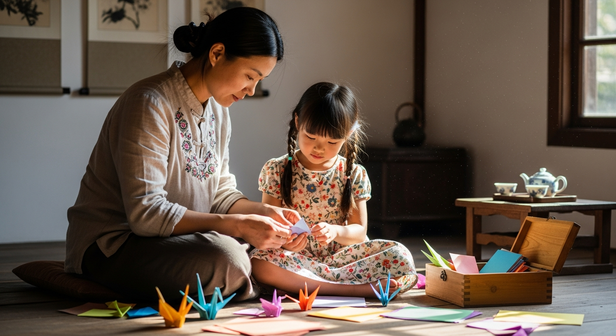
Indian mothers use simple rules to teach self control, not fear. Through fixed days and habits, children slowly learn routine, patience, and emotional balance. Saying no today shows that every desire does not need instant action. This wisdom comes from lived experience in Indian households, trusted across generations. Experts in child behavior agree routines build discipline and mental stability. Such guidance is authoritative because it works quietly in real life. Food, faith, and habits together shape strong character. This traditional approach builds emotional strength gently and naturally.
Traditionally, hair washing is believed to release body heat and vital energy from the body. Indian mothers, guided by experience and faith, prefer conserving this energy on spiritually important days like Thursday and Saturday. These days are linked with Guru and Shani, symbols of wisdom, discipline, and balance. The practice is not about restriction but about stability. By maintaining routine, the body stays calm and the mind remains focused. Experts in culture and wellness note that such traditions promote mindfulness. Food, rest, and habits together support holistic well being.
For mothers, these rules are acts of love shaped by lived experience. Over generations, they observed how routine brings calm to homes and minds. Following a rhythm helped families feel protected and grounded. Even as science evolves, the core intention stays the same. It is care, emotional safety, and mindful living. Cultural practices like this reflect trust built through time. They show expertise passed orally, authority rooted in tradition, and belief strengthened by consistency. Such wisdom remains relevant because it nurtures balance, not fear.
Even today, many families follow this habit not out of fear, but to stay connected to their roots. From lived experience in Indian homes, elders explain that such traditions teach patience and rhythm. Ancient scriptures and mythology often show gods rewarding restraint and right timing. This belief encourages people to slow down and live mindfully. Cultural experts note that routines like these support mental calm. Trusted traditions remind us to respect time, value balance, and stay aware in daily life without force or superstition.
Unlock insightful tips and inspiration on personal growth, productivity, and well-being. Stay motivated and updated with the latest at My Life XP.
Why do Indian mothers avoid hair washing on Thursday and Saturday?
These days are linked with Guru and Shani, symbolizing wisdom, patience, and discipline. Avoiding hair wash is a way to respect calm and routine.
Is there any scientific reason behind this belief?
There is no strict medical rule, but elders believe rest and reduced activity support mental balance and energy conservation.
Is it bad to wash hair on these days?
No. It is a personal and cultural choice, not a health rule or punishment.
Do all Indian families follow this tradition?
No. Practices vary by region, belief, and personal preference.
Thursday Is a Day of Guru

Thursday Devotion at Home
Image credit : AI
Thursday is traditionally linked to Guru Brihaspati, known in Hindu scriptures as the teacher of the gods. In many Indian households, this day is reserved for prayer, learning, and peaceful reflection. From lived cultural experience, elders believe hair washing symbolizes haste and outward focus. Keeping the body simple on Thursday is thought to support mental clarity and inner discipline. Religious texts, family practices, and long standing tradition reinforce this belief. The intention is not restriction, but nurturing wisdom, gratitude, and spiritual balance through mindful routine.
Saturday Belongs to Shani

Silent Strength of Saturday
Image credit : AI
Saturday is linked with Shani, the planet of karma, discipline, and life lessons. In Indian tradition, this day teaches patience, responsibility, and acceptance of duties. Many mothers avoid hair washing on Saturday as a mark of respect and mindfulness. From experience passed through generations, the belief encourages slowing down and avoiding unnecessary indulgence. Religious texts and cultural practices support this routine as a way to stay grounded. Trusted elders emphasize calm actions on this day. The practice reflects emotional wisdom, cultural authority, and faith driven balance rather than fear.
Emotional Discipline Over Fear
A Mother Teaching Tradition
Image credit : AI
Indian mothers use simple rules to teach self control, not fear. Through fixed days and habits, children slowly learn routine, patience, and emotional balance. Saying no today shows that every desire does not need instant action. This wisdom comes from lived experience in Indian households, trusted across generations. Experts in child behavior agree routines build discipline and mental stability. Such guidance is authoritative because it works quietly in real life. Food, faith, and habits together shape strong character. This traditional approach builds emotional strength gently and naturally.
Body and Energy Belief
Faith That Feels Like Care
Why This Tradition Still Stays
Unlock insightful tips and inspiration on personal growth, productivity, and well-being. Stay motivated and updated with the latest at My Life XP.
Frequently Asked Questions (FAQs)
These days are linked with Guru and Shani, symbolizing wisdom, patience, and discipline. Avoiding hair wash is a way to respect calm and routine.
Is there any scientific reason behind this belief?
There is no strict medical rule, but elders believe rest and reduced activity support mental balance and energy conservation.
Is it bad to wash hair on these days?
No. It is a personal and cultural choice, not a health rule or punishment.
Do all Indian families follow this tradition?
No. Practices vary by region, belief, and personal preference.