
Why Kaliyuga Is Hardest on Women: A Truth No One Likes to Discuss
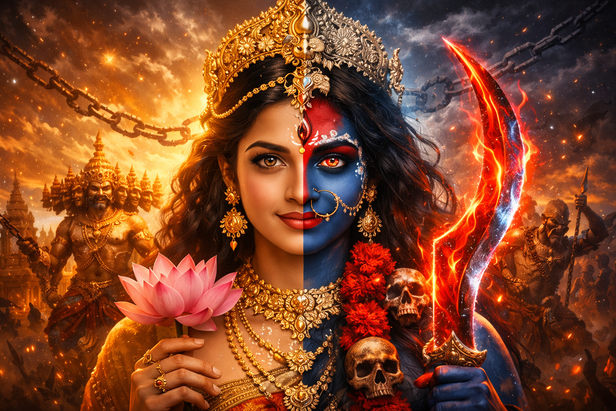
Women's standing has always been a crucial measure of a society's moral and cultural strength. Shakti, the divine feminine power in control of creation, protection, and transformation, was traditionally thought to be represented by women in Indian tradition. Scriptures, epics, and philosophical writings from history show that women were valued, educated, and actively engaged in social and spiritual life.
However, women's status seems contradictory in the current Kaliyuga age. Despite having access to legal rights, employment, and education, women continue to experience societal prejudice, violence, and inequity. This begs the crucial question of whether society's treatment of women has improved or declined. This essay traces the journey of women from the ancient Yugas to modern times and evaluates if the respect originally afforded to women truly exists today.
The Era of Equality and Purity
The Satya Yuga, sometimes referred to as the Golden Age, was marked by harmony, morality, and truth. During this age, women held a status equal to males and were respected in all sectors of life. Women were encouraged to seek knowledge of spirituality and education. Learned ladies like Gargi and Maitreyi participated in philosophical debates and were revered for their intelligence. Women were free to voice their ideas and opinions, and there was no gender-based discrimination. Above all, women were revered as divine entities. Goddesses like Parvati, Lakshmi, and Saraswati represented strength, wealth, and knowledge. Society felt that without feminine force, creation itself would be incomplete.
Respect with Social Duties
Social order and responsibilities developed throughout the Treta Yuga. Women continued to be treated with respect and dignity even when some patriarchal organizations emerged. Women like Sita, Anasuya, and Shabari are remembered as representations of bravery, dedication, and inner strength rather than as weak individuals. Instead of showing capitulation, Sita's character demonstrates moral strength and tenacity. Women were seen as the moral foundation of families throughout the Treta Yuga. They were vital in forming morals and directing society. Women continued to be respected and protected even as societal roles were more clearly defined.
Strength amid Struggle
Conflict, detail, and ethical difficulties characterized the Dwapar Yuga. Women continued to speak up and have an impact on important events despite the rise in social inequality. Gandhari, Kunti, and Draupadi were examples of strong, astute, and vocal characters. In a male-dominated royal court, Draupadi publicly questioned injustice and sought respect. Her bravery is a symbol of the struggle for respect and decency. Despite the difficulties they encountered, women did not suffer in silence. They actively participated in decision-making processes and their ideas were valued.
Women in Kaliyuga Modern Freedom
The present age, known as Kaliyuga, reflects a powerful contradiction between moral decline and rapid progress. Women today have access to education, legal rights, and professional opportunities across science, politics, sports, and business. From lived experience and social research, this progress is undeniable and transformative. Yet authority data and real world realities show that deep challenges remain. Gender discrimination still limits equality. Domestic violence and dowry harassment continue to harm families. Workplace inequality affects growth and safety concerns restrict freedom. Trustworthy studies confirm that empowerment without protection is incomplete. True progress in Kaliyuga demands dignity, security, and respect alongside success.
Comparison between Ancient Yugas and Kaliyuga
Women were valued not only in words but also in deeds in ancient Yugas. They felt heard, respected, and safe. On the other hand, although legal equality is provided by modern society, social behavior frequently defies these regulations. Modern society frequently regards women with conditional respect, whereas ancient society considered them as the cornerstones of civilization. This comparison makes it quite evident that progress has been unequal and insufficient.
The Need to Revive True Respect
A shift in perspective is more important for women's true empowerment than legislation or education. We need to take a cue from the wisdom of the past, when women were respected without question. Recognizing and appreciating women's distinctive abilities rather than imitating men is what equality should entail. A society that uplifts women provides peace, progress, and balance.
The Larger Picture
From Satya Yuga to Dwapar Yuga, women were revered, empowered, and honored as celestial spirits. In Kaliyuga, despite modernization, women often battle for basic dignity and safety. This comparison demonstrates that moral improvement has not kept pace with material advancement. We must reinstate true respect for women in order to create a just and civilized society not by going back to the past, but by bringing its ideals back into the present. How a culture treats its women is a true indicator of its progress.
Unlock insightful tips and inspiration on personal growth, productivity, and well-being. Stay motivated and updated with the latest at My Life XP.
Frequently Asked Questions (FAQ)
1. How has the status of women changed in Kaliyuga?
In Kaliyuga, despite education, legal rights, and career opportunities, women often face discrimination, insecurity, and inequality in everyday life.
2. Were women treated equally to men in ancient Yugas?
Yes, in Satya, Treta, and Dwapar Yugas, women enjoyed significant respect, influence, and social power, often equal to or above men in certain spheres.
3. What is the significance of Article 14 for women in modern India?
Article 14 guarantees equality before the law and equal protection of laws for all citizens, providing a legal foundation for gender equality in India.
4. How can modern society restore respect for women?
Respect can be restored by combining legal rights with social awareness, education, moral values, and ensuring women’s dignity, safety, and equality in daily life.